Donald Trump Tells Congress Iran Hostilities Have Terminated Ahead Of War Powers Deadline
Key Takeaways
- Hostilities with Iran have terminated, Trump says, under a ceasefire.
- War powers deadline does not apply after termination of hostilities.
- Iran offers a new peace proposal; Trump says not satisfied.
Ceasefire claim and deadline
President Donald Trump told Congress on Friday that hostilities in Iran “have terminated” as a War Powers Resolution deadline approached, arguing that a ceasefire meant he did not need congressional approval for continued military action.
In letters to congressional leaders, Trump wrote, “There has been no exchange of fire between United States Forces and Iran since April 7, 2026” and added, “The hostilities that began on February 28, 2026 have terminated.”

The claim came as Friday marked “60 days since the war began, in late February,” under the 1973 War Powers Resolution framework described by CNBC and the BBC.
The BBC reported that by law a US president must receive Congress’ approval within 60 days of notifying lawmakers of military action, but Trump argued the ceasefire “had paused the clock on any such obligation.”
CNBC said Trump’s letters were “a volley aimed at discouraging lawmakers in Congress from restricting military action against Iran,” and it noted that Congress has not authorized US military action against Iran.
The dispute is now framed as a constitutional and procedural fight over whether the clock can be paused during a ceasefire, with Defense Secretary Pete Hegseth telling the Senate Armed Services Committee that the countdown “pauses or stops in a ceasefire.”
Democratic Sen. Tim Kaine responded, “I do not believe the statute would support that,” as the legal question sharpened at the end of the 60-day window.
War powers and competing interpretations
The administration’s position is that the ceasefire changes the legal calculus under the War Powers Resolution, while Democrats and critics argue the clock cannot be stopped by a temporary pause in fighting.
The BBC described Trump’s argument that the ceasefire “had paused the clock on any such obligation,” and it quoted Trump’s letters: “There has been no exchange of fire between the United States Forces and Iran since April 7, 2026” and “The hostilities that began on February 28, 2026 have terminated.”
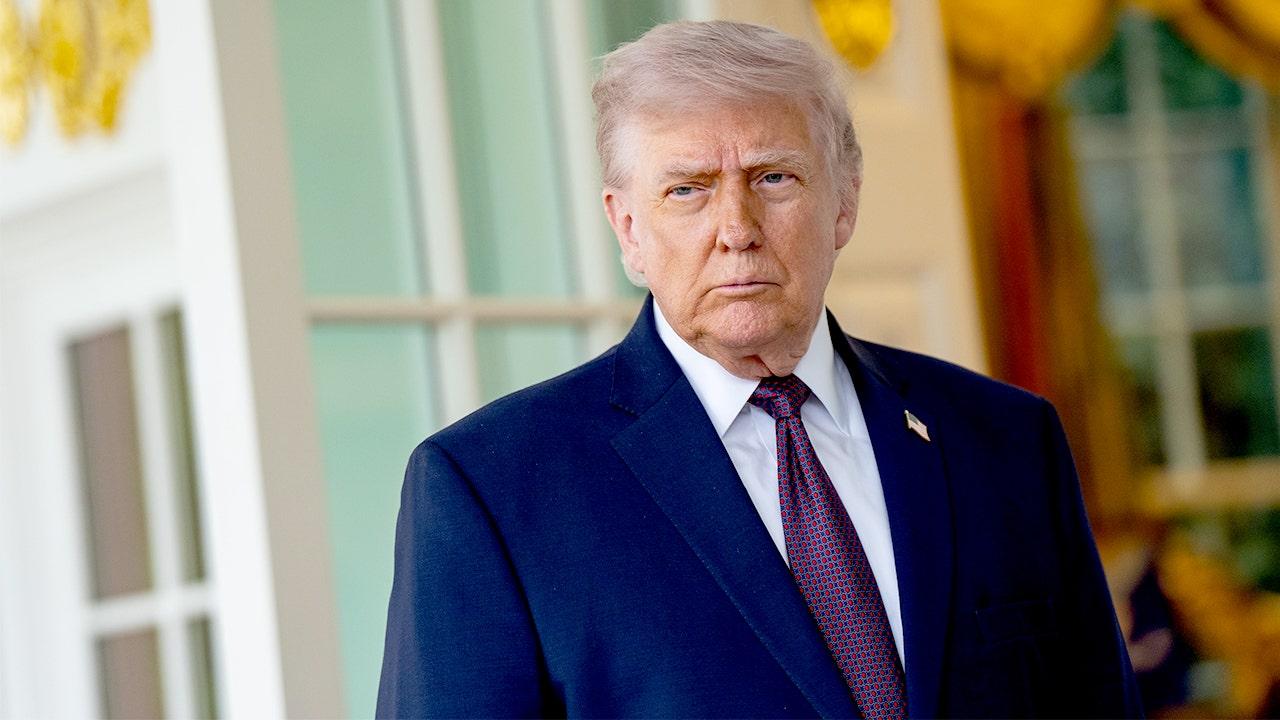
In the Senate Armed Services Committee hearing, Defense Secretary Pete Hegseth said the clock “pauses or stops in a ceasefire,” and the BBC included Tim Kaine’s direct rebuttal: “I do not believe the statute would support that.”
The Guardian similarly reported that a senior Trump administration official said, “For war powers resolution purposes, the hostilities that began on Saturday, February 28, have terminated,” and it noted that there had been “no exchange of fire between the US armed forces and Iran since a fragile ceasefire began more than three weeks ago.”
But the Guardian also emphasized that Democrats and critics raised concerns, quoting Harold Hongju Koh, a Yale Law School professor and legal adviser to Barack Obama’s state department, saying, “There is no pause button in the War Power Resolution.”
The Times of India framed the same dispute as a sidestep of authorization requirements, reporting that War secretary Pete Hegseth said the US is “in a ceasefire right now,” which means “the 60-day clock pauses or stops,” and it quoted Sen. Richard Blumenthal: “There’s no pause button in the Constitution… The blockade alone is a continuing act of war.”
In parallel, the AP reported that the White House asserted to Congress that hostilities have “terminated” “despite the continued presence of U.S. armed forces in the region,” and it described the May 1 deadline as a “stark relief” of “the bold but legally questionable assertion of presidential power.”
Reactions in Congress
Congressional reactions split along party lines as Trump’s letters landed and lawmakers debated whether to force a vote on authorizing force.
CNBC reported that Senate Minority Leader Chuck Schumer, D-N.Y., called the president’s claim “bulls---,” adding, “This is an illegal war and every day Republicans remain complicit and allow it to continue is another day lives are endangered, chaos erupts, and prices increase, all while Americans foot the bill.”
The BBC likewise quoted Trump’s critics and described how lawmakers faced “mounting questions about whether they intend to schedule a vote in each chamber to decide whether the war should receive formal authorisation.”
The AP said the deadline was set to pass without action from Republican lawmakers who were “deferring to the president,” and it described Senate Majority Leader John Thune saying, “I’m listening carefully to what the members of our conference are saying, and at this point I don’t see that.”
At the same time, the AP reported that some GOP senators were growing uneasy about the war’s timeline and that Sen. Kevin Cramer said he would vote for authorization if Trump asked, while questioning whether the War Powers Resolution is constitutional, with Cramer saying, “Our founders created a really strong executive, like it or not like it.”
The Guardian reported that Republican senator Lisa Murkowski said in a floor speech that she will introduce a limited authorized use of military force if the administration has not presented what she called a “credible plan,” adding, “Congress has a role.”
Axios reported that Republicans appeared more open to the administration’s interpretation, quoting Sen. Todd Young saying, “It sounds like there's some wiggle room he provided there for himself,” and it noted that the Senate had blocked a war powers resolution aimed at forcing Trump to end or seek authorization, with a vote of 47–50 and two Republicans—Sens. Susan Collins and Rand Paul—voting with Democrats.
Negotiations and energy stakes
While Trump insisted hostilities had “terminated,” multiple reports described ongoing negotiations mediated through Pakistan and a continuing standoff over the Strait of Hormuz, with energy markets and sanctions in focus.
CNBC said Trump was “not satisfied with a new offer from Iran to end its war,” and it quoted him: “Iran wants to make a deal, but I'm not satisfied with it,” adding that “They're asking for things that I can't agree.”

The BBC reported that Iranian media said Tehran sent a new proposal via Pakistan on Friday, and it quoted Trump: “We just had a conversation with Iran. Let's see what happens. But, I would say that I am not happy.”
Anadolu Ajansı similarly reported Trump saying, “They've got to come up with the right deal. At this moment, I'm not satisfied,” and it included his explanation, “They’re asking for things that I can’t agree.”
The News Pakistan report said Trump told reporters, “At this moment I’m not satisfied with what they’re offering,” and it also described his threat that he would “blast them to hell” if they failed to strike a deal.
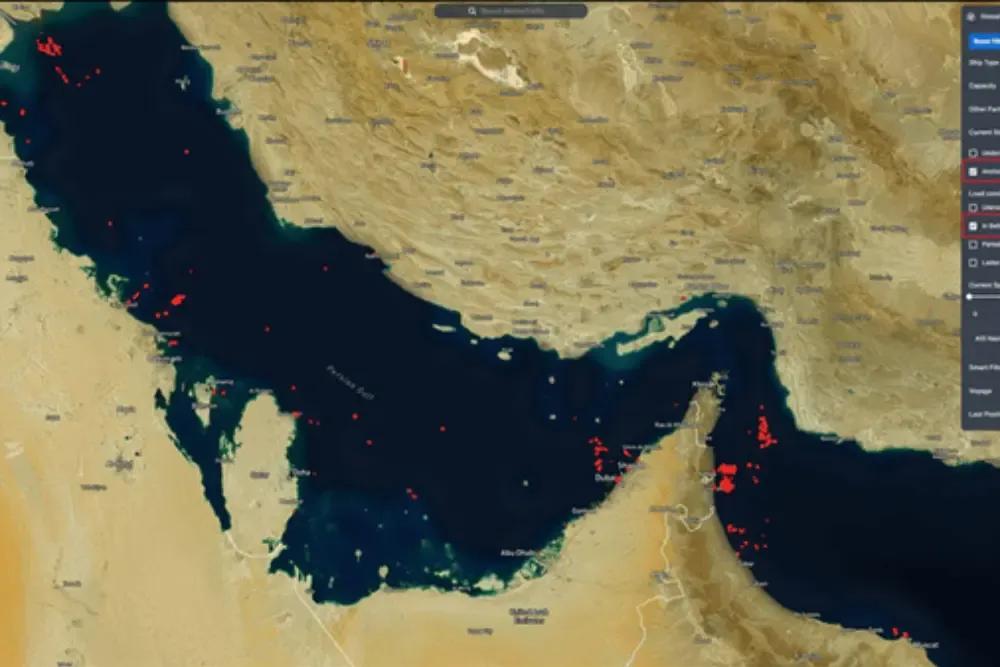
In parallel, the BBC reported that the US Treasury issued a notice warning that any individual or company that pays Iran a “toll” for passage through the Strait of Hormuz was at risk of violating US sanctions, and it said the key shipping channel is still effectively closed.
Anadolu Ajansı added that Trump linked a potential end to the war to global energy markets, saying, “When the war ends, gasoline prices will go down to below what they were,” and it described oil shipments stuck near the Strait of Hormuz.
What happens next
The next phase of the dispute centers on whether Congress will act to constrain the administration, and how the administration will continue military and blockade measures while insisting hostilities have ended.
The AP said the letter “effectively skirts a May 1 legal deadline” to gain approval, and it described that Congress “made no attempt at enforcing that requirement,” leaving town Thursday after the Senate rejected a Democratic attempt to halt the war “for a sixth time.”

The Guardian reported that the Republican-led Senate again blocked a Democratic attempt to stop Trump’s war in Iran, rejecting a war powers resolution that would have limited the conflict until Congress authorizes further military action, and it gave the vote as 47-50 with Susan Collins of Maine and Rand Paul of Kentucky voting in favor.
Axios reported that Trump’s declaration “effectively resetting the clock” could make it “more difficult for Congress to challenge his authority or constrain further action through a war powers resolution,” and it described how the administration’s argument was previewed by Defense Secretary Pete Hegseth as allowing the 60-day clock to “pause or stop” during a ceasefire.
The Times of India reported that Senate Majority Leader John Thune said he does not currently see a vote on authorising force, while it quoted Senator Susan Collins saying the deadline “is not a suggestion, it is a requirement,” and it quoted Todd Young saying lawmakers “must ensure that the people… weigh in” if hostilities resume.
The BBC added that lawmakers have faced “mounting questions” about scheduling votes, and it described the War Powers Resolution requirements that a president must end the use of forces unless Congress declares war or allows an extension “up to 30 days in length” for the “prompt removal” of troops.
Meanwhile, the administration’s posture remains active even as it claims termination, with HuffPost reporting that “the U.S. Navy is maintaining a blockade of the Strait of Hormuz” and quoting Trump saying, “The strait is totally shut down. It’s flawless. It’s totally 100% shut down now.”
More on USA
U.S. Treasury Warns Shippers Not to Pay Iran Strait of Hormuz Tolls
11 sources compared

Bill Lee And Kay Ivey Call Special Sessions To Redraw Tennessee And Alabama House Maps
13 sources compared

Federal Judge Dale E. Ho Blocks Trump From Ending Temporary Protected Status for Yemeni Migrants
15 sources compared

Donald Trump Threatens European Union With 25% Tariffs On Cars And Trucks Next Week
20 sources compared