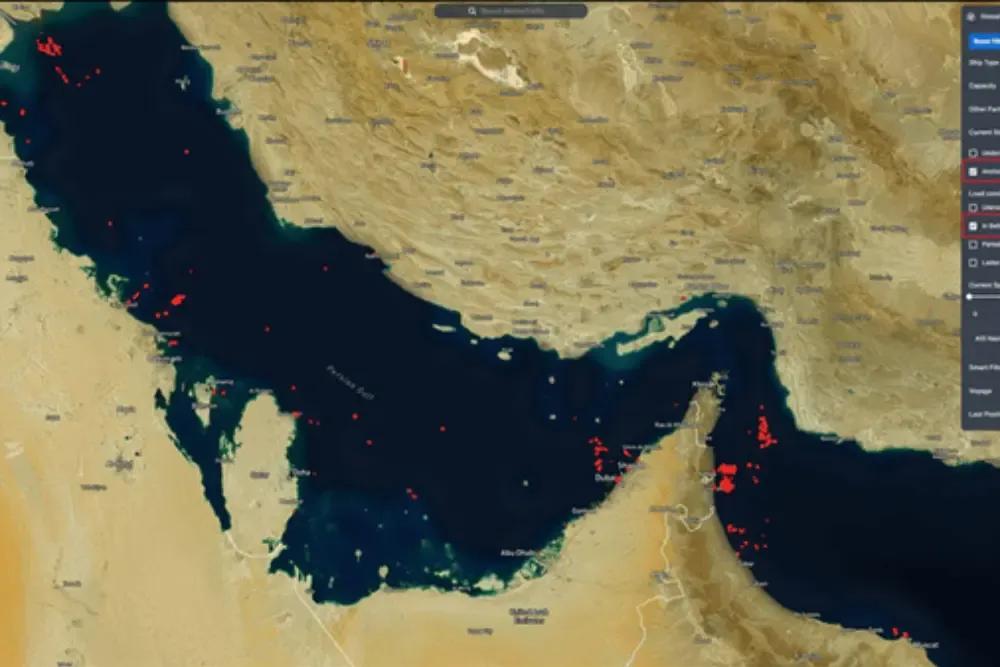
U.S. Treasury Warns Shippers Not to Pay Iran Strait of Hormuz Tolls
Key Takeaways
- OFAC warns shippers that paying Hormuz tolls to Iran risks sanctions.
- Payments including charitable donations to Iranian groups for Hormuz tolls may trigger sanctions.
- Treasury expanded Iran sanctions and tightened controls affecting shipping and toll compliance.
OFAC toll warning
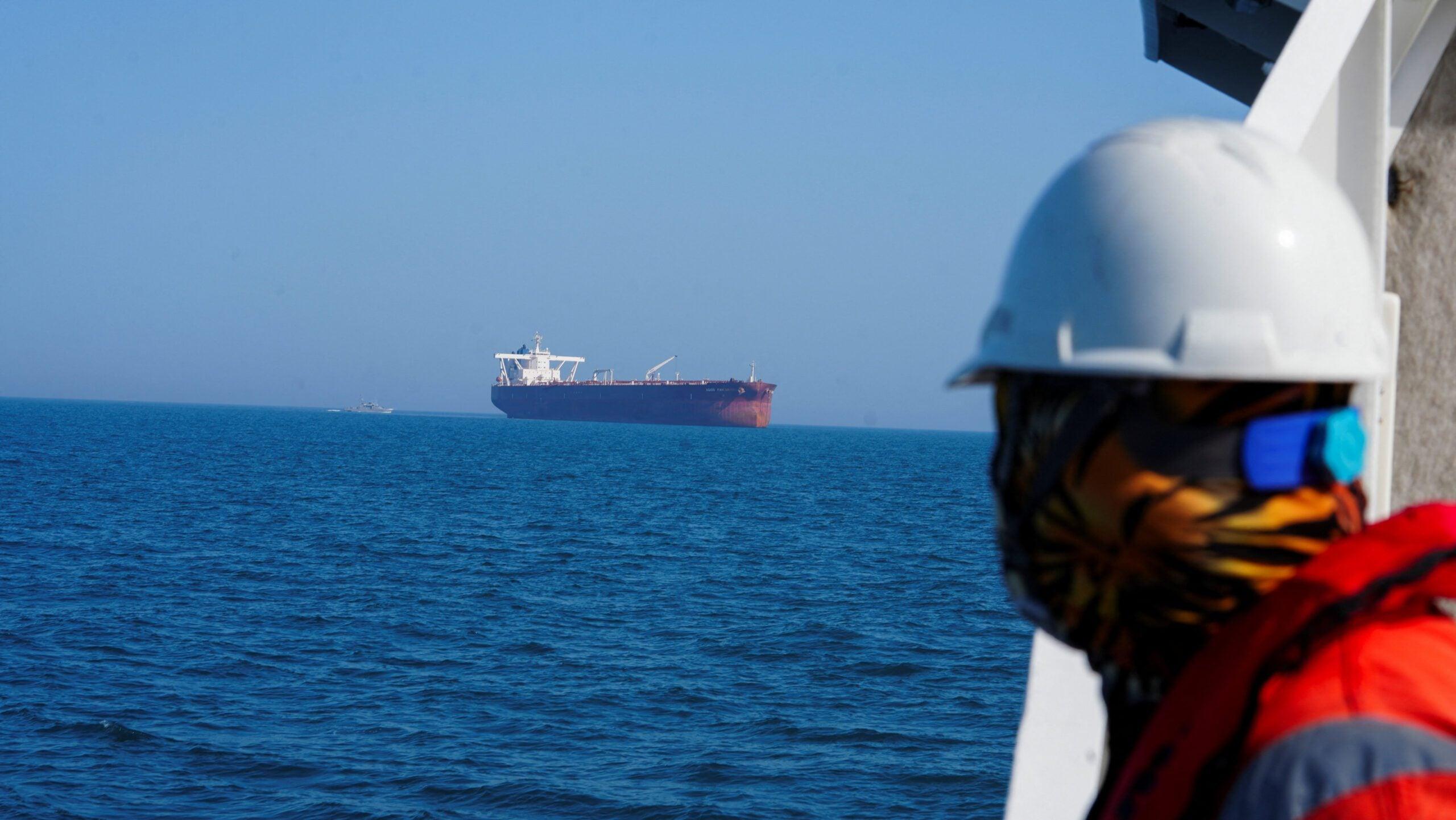
The U.S. Treasury’s Office of Foreign Assets Control (OFAC) issued an advisory warning that U.S. and non-U.S. persons could face sanctions if they pay Iranian “toll” payments to receive safe passage through the international Strait of Hormuz.
“Washington: Any shipper paying tolls to Iran for passage through the Strait of Hormuz, including charitable donations to organizations such as the Iranian Red Crescent Society, is at risk of punitive sanctions, the US Treasury warned on Friday”
The advisory said OFAC is “aware of Iranian threats to shipping and demands for ‘toll’ payments to receive safe passage through the international Strait of Hormuz,” and it warned that “These demands may include several payment options, including fiat currency, digital assets, offsets, informal swaps, or other in-kind payments, such as nominally charitable donations” made to organizations like the Iranian Red Crescent Society or Iranian embassy accounts.

OFAC also framed the risk as independent of how payment is made, stating, “These risks exist regardless of payment method.”
The Treasury further warned that “OFAC is issuing this alert to warn U.S. and non-U.S. persons about the sanctions risks of making these payments to, or soliciting guarantees from, the Iranian regime for safe passage.”
In parallel, The Hill reported that the Treasury Department told U.S. shippers they could face sanctions if they have been found paying Iranian tolls to gain access through the Strait of Hormuz, quoting the OFAC advisory that “U.S. persons and U.S.-owned or -controlled foreign entities are generally prohibited under U.S. sanctions from engaging in transactions with the Government of Iran.”
The Hill also noted that “some ships have paid up to $2 million in toll fees to Tehran since the U.S.-Israeli conflict in Iran began on Feb. 28,” while the Deccan Herald said the Treasury warned that even charitable donations are at risk of punitive sanctions.
Economic Fury and sanctions
Beyond the shipping advisory, the U.S. Treasury expanded economic controls on Iran and connected the Hormuz warning to a broader sanctions campaign described as “Economic Fury.”
The Maritime Executive reported that Treasury “rolled out additional sanctions on Friday, May 1,” while also citing “the potential sanctions risk from paying directly or indirectly tolls for passage through the Strait of Hormuz.”
Secretary of the Treasury Scott Bessent said, “Treasury is moving aggressively, through Economic Fury, to sever the Iranian military’s financial lifelines,” and added, “We will relentlessly target the regime’s ability to generate, move, and repatriate funds, and pursue anyone enabling Tehran’s attempts to evade sanctions.”
The same report said OFAC warned about “the ‘sanctions risks of making these payments, or soliciting guarantees from, the Iranian regime for safe passage,’” and reiterated that “OFAC warns that the risks exist regardless of the payment method.”
It also described the scope of the Treasury action as including steps to disrupt “shadow banking facilitators,” and it said “Vessels calling at Iranian ports, it also notes, face significant sanctions.”
The Maritime Executive further reported that Treasury “designated three Iranian foreign currency exchange houses” and asserted they “are facilitating billions of dollars in foreign currency transactions,” with Iran “primarily” settling oil sales in Chinese yuan and then converting revenues through those houses.
Compliance steps and red flags
The Treasury advisory emphasized compliance steps for maritime service providers, warning them to conduct due diligence on vessels attempting to transit the Strait of Hormuz.
“The Treasury Department on Friday warned it will impose sanctions on ships that pay a toll to Iran to pass through the Strait of Hormuz, saying that even charitable donations would be impacted”
In the WOWO (FOX News) version of the advisory, the Treasury said, “OFAC strongly encourages all maritime service providers to conduct enhanced due diligence on any vessels attempting to transit the Strait of Hormuz to ensure that such vessels have not engaged in any sanctionable conduct involving Iran, which could expose the service provider to sanctions risk.”
The same advisory instructed that “Service providers should carefully review all available information for red flags, including voyage planning or actual transits through Iranian territorial waters.”
It also said providers should “ask counterparties for details on who they coordinated with to transit the Strait of Hormuz and if any safe passage fees were or will be paid to Iran.”
Deccan Herald added that the Treasury clarified on Friday that “payments disguised through charity or indirect payments are not allowed,” and it said Treasury did not offer Reuters details on any countries or companies that had made such indirect payments.
In the same broader compliance framing, the Jerusalem Post said the Treasury warned that any shippers paying tolls to Iran, “including charitable donations,” are at risk of punitive sanctions, and it quoted OFAC’s statement that such payments are “generally prohibited.”
Tolls, bitcoin, and the ceasefire
The U.S. warning landed in a context of ongoing negotiations and a ceasefire framework described in U.S. reporting, with multiple outlets tying the toll idea to Iranian proposals and U.S. rejection.
The Hill reported that an Iranian Oil, Gas and Petrochemical Products Exporters’ Union spokesperson announced “Iran would impose a fee of $1 per barrel of oil on board tankers amid the ceasefire between the U.S. and Iran,” and it said the ships would have to “email Iranian authorities about what they are carrying before vessels are given the option to pay in bitcoin.”

The Hill also said President Trump condemned the tolling system idea after Iran announced the plan, telling the country that it “better stop now!” and it added that Secretary of State Marco Rubio called Iran’s setup of a tolling system “illegal” and “dangerous for the world.”
The Hill described a “shaky ceasefire deal” and said the U.S. rejected Iranian peace proposals, including a latest proposal on Wednesday that would reopen the Strait of Hormuz in exchange for the U.S. lifting its naval blockade on Iranian ports and vessels in the waterway.
It also reported that the Trump administration said Friday the war in Iran was already “terminated” after the countries reached a ceasefire deal “for War Powers Resolution purposes,” and it noted that Trump formally notified Congress on March 2, making Friday the 60-day mark.
In the WOWO (FOX News) and NTD News versions, the advisory also referenced Iranian threats and demands for payments, and NTD said the Treasury warned that even “nominally charitable donations” would be impacted.
Impact on shipping and prices
The advisory and related sanctions actions were presented as part of a broader effort affecting shipping operations and costs, with The Hill linking the closure of the Strait of Hormuz to price increases.
“The United States on Friday imposed new Iran-related sanctions on several individuals, entities, and one vessel, including some based in China, according to the US Treasury website”
The Hill said, “The closure of the Strait of Hormuz has also resulted in prices skyrocketing,” and it reported that “the national average for a gallon of gas reaching $4.39 on Friday, nearly 10 cents higher than it was on Thursday, according to AAA.”
It also described the U.S. military posture, saying “A naval blockade imposed by the U.S. military following a ceasefire announcement is still in effect,” and it tied the Hormuz toll warning to the idea that the U.S. is using economic pressure.
The WOWO (FOX News) and U.S. Treasury notice versions also described the advisory as responding to “Iranian threats to shipping” and “demands for ‘toll’ payments,” and they warned that the risks exist regardless of whether payments are made in currency, digital assets, or other in-kind forms.
NTD News added that the Treasury warned non-U.S. persons could face secondary sanctions, stating that “This risk to non-U.S. persons includes secondary sanctions on participating foreign financial institutions, which could prohibit or restrict such foreign financial institutions’ access to the U.S. financial system.”
The Deccan Herald described the Strait of Hormuz as “one of the world’s most strategically vital maritime routes,” with “about 20 per cent of the world’s seaborne crude oil and liquefied natural gas flows passing through it.”
More on USA

Trump Administration Says Iran War ‘Terminated’ as War Powers Deadline Nears May 1
16 sources compared

Pentagon Orders Withdrawal of 5,000 U.S. Troops From Germany Over Trump-Merz Feud
18 sources compared

Bill Lee And Kay Ivey Call Special Sessions To Redraw Tennessee And Alabama House Maps
13 sources compared

Federal Judge Dale E. Ho Blocks Trump From Ending Temporary Protected Status for Yemeni Migrants
15 sources compared