
Trump Administration Says Iran War ‘Terminated’ as War Powers Deadline Nears May 1
Key Takeaways
- Ceasefire with Iran pauses the 60-day War Powers deadline.
- Some officials say the deadline remains or the war can continue without Congress.
- Friday marks the 60th day since notification to Congress.
War Powers Deadline Clash
A legal deadline tied to the War Powers Resolution is arriving as the Trump administration argues that the clock on congressional approval for the Iran war has already ended.
“The Donald Trump administration has argued that a key May 1 deadline it faces to secure congressional approval for the US-Israel war on Iran no longer matters because of the ongoing ceasefire with Tehran”
The Washington Post frames Friday as “a significant moment in the U.S.-Israeli war with Iran,” saying President Donald Trump faces a key deadline to end the fighting or extend it under the War Powers Resolution, while Defense Secretary Pete Hegseth asserted an ongoing ceasefire “pauses” the countdown toward a May 1 deadline.

PBS reports that the White House asserted to Congress in a letter Friday that hostilities with Iran have “terminated” despite the continued presence of U.S. armed forces in the region, effectively skirting the May 1 legal deadline.
BBC similarly says the administration has argued that the clock is paused on a deadline to seek approval from Congress even as questions about whether a deal is any closer remained unanswered.
TRT World describes the situation as a test of how far the 1973 War Powers Act can bend, with Day 60 as the line for a president to stop military action or seek congressional approval.
Across the debate, the administration’s position is anchored to a claim that “the hostilities that began on Saturday, February 28 have terminated,” while multiple lawmakers and legal experts contest whether a ceasefire can stop the statutory clock.
Ceasefire, Blockade, and the Clock
The administration’s argument rests on the idea that a ceasefire changes the legal status of “hostilities,” even as other reporting describes continued pressure and military posture.
BBC says a senior administration official emphasized that hostilities with Iran had “terminated,” highlighting that a ceasefire has been in effect since early April, while also noting that the two sides have not yet reached a longer-term deal via talks.
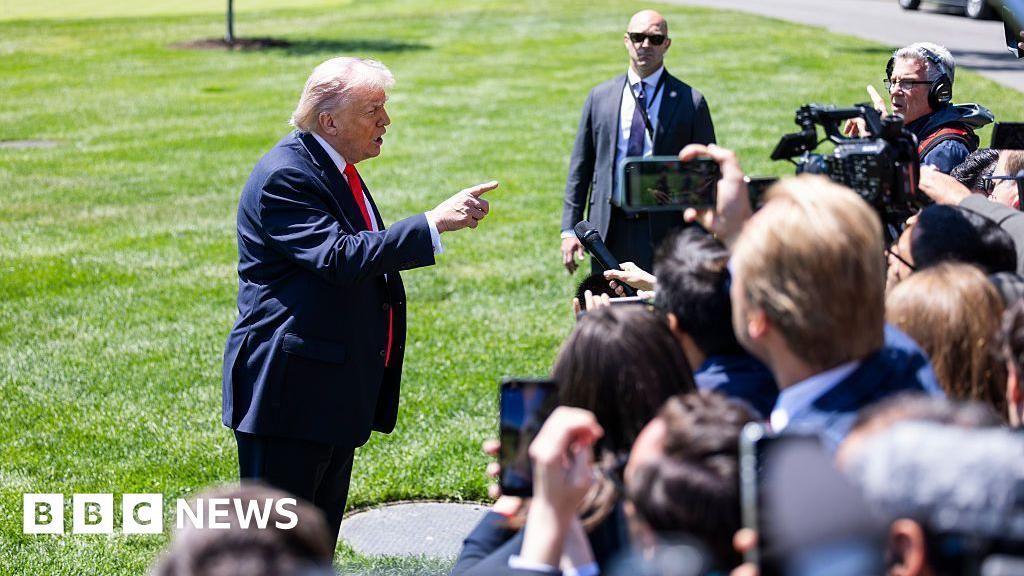
The Hill reports that a senior Trump administration official said Thursday that “for War Powers Resolution purposes,” the military operation against Tehran was already “terminated” following the ceasefire deal reached between the U.S. and Iran, and it quotes Defense Secretary Pete Hegseth telling the Senate Armed Services Committee that “the 60-day clock pauses or stops in a ceasefire.”
Al Jazeera adds that the administration argues the absence of active exchanges since early April means hostilities have effectively ceased for War Powers purposes, and it cites the administration’s claim that “There has been no exchange of fire between US Armed Forces and Iran since Tuesday, April 7.”
Yet BBC also includes a direct challenge from Prof Heather Brandon-Smith of Georgetown University Law, who says: “The secretary's claim about hostilities coming to an end does not match up to the evidence,” and argues that “The US has instituted a blockade of Iranian ports. This is an act of war. This is hostility.”
CBS News underscores the continued operational reality by reporting that the U.S. continuing its blockade of Iranian ports and shipping coincides with oil-market stress, while the War Powers debate plays out on Capitol Hill.
Lawmakers Split on Authority
As the deadline approached, lawmakers and political leaders argued over whether the War Powers Act’s 60-day requirement was satisfied or evaded.
“Trump repeats that he is 'not happy' with Iran as deadline to seek approval for war looms The Trump administration has argued that the clock is paused on a deadline to seek approval from Congress for the US-Israeli war with Iran even as questions about whether a deal is any closer remained unanswered on Friday”
PBS says the letter “effectively skirts a May 1 legal deadline,” while also describing how the War Powers Resolution requires Congress to declare war or authorize the use of force within 60 days and that Friday was the deadline.
BBC reports that Defense Secretary Pete Hegseth defended the administration’s position on the deadline and ceasefire during questioning from members of the Senate, and it includes Democratic Senator Tim Kaine responding: “I do not believe the statute would support that. I think the 60 days runs maybe tomorrow.”
The Hill adds that House Speaker Mike Johnson told NBC News that the U.S. is “not at war” with Iran and said, “I don’t think we have an active, kinetic military bombing, firing or anything like that. Right now, we are trying to broker a peace.”
In contrast, CBS News reports that Democratic senators such as Tim Kaine and Elizabeth Warren disagreed and said the deadline remains Friday, while Axios describes Republicans calling for clarification and Democrats rejecting Hegseth’s argument that a ceasefire means bombs aren’t dropping.
The Hill also shows that some Republicans joined Democrats in attempts to force withdrawal, including Sens. Susan Collins and Rand Paul, and it quotes Collins saying: “The Constitution gives Congress an essential role in decisions of war and peace, and the War Powers Act establishes a clear 60-day deadline for Congress to either authorize or end U.S. involvement in foreign hostilities.”
Competing Frames Across Outlets
Different outlets emphasize different aspects of the same deadline dispute, producing sharply different frames of what is happening and what it means.
The Washington Post centers the War Powers mechanics and the administration’s attempt to treat the ceasefire as “pauses” to the countdown, while it also notes that the Trump administration did not seek congressional approval before it launched joint strikes with Israel against Iran on Feb. 28 and that the administration notified Congress on March 2 to start the 60-day countdown to May 1.

PBS focuses on the White House letter to Congress, quoting Trump’s assertion that “The hostilities that began on February 28, 2026, have terminated,” and it describes the message as legally questionable.
BBC highlights the hearing dynamic, with Hegseth saying “We are in a ceasefire right now, which our understanding means the 60-day clock pauses or stops in a ceasefire,” and it juxtaposes that with Prof Heather Brandon-Smith’s view that “Hostilities have not ceased. The US has instituted a blockade of Iranian ports.”
TRT World frames the moment as a “pivotal point” and describes the administration as “ready to test how far that law can bend,” while also describing a sixth vote since the Iran conflict began and naming Democratic Senator Adam Schiff’s resolution effort.
Axios adds a political-institutional angle, describing Senate Republicans calling on the administration to clarify how it is interpreting the 60-day clock and quoting Sen. Todd Young saying, “It sounds like there's some wiggle room he provided there for himself.”
What Comes Next
The immediate stakes are both legal and practical, with the War Powers dispute unfolding alongside continued military and economic pressure.
“By experts and staff - Published Welcome to the Daily News Brief, CFR’s flagship morning newsletter summarizing the top global news and analysis of the day”
BBC notes that despite the ceasefire, the two sides have not yet reached a longer-term deal via talks, and it says Iranian state news agency IRNA reported a proposal for negotiations with the US was sent to Pakistan intermediaries, while also stating that it was unclear if the proposal had reached the US.
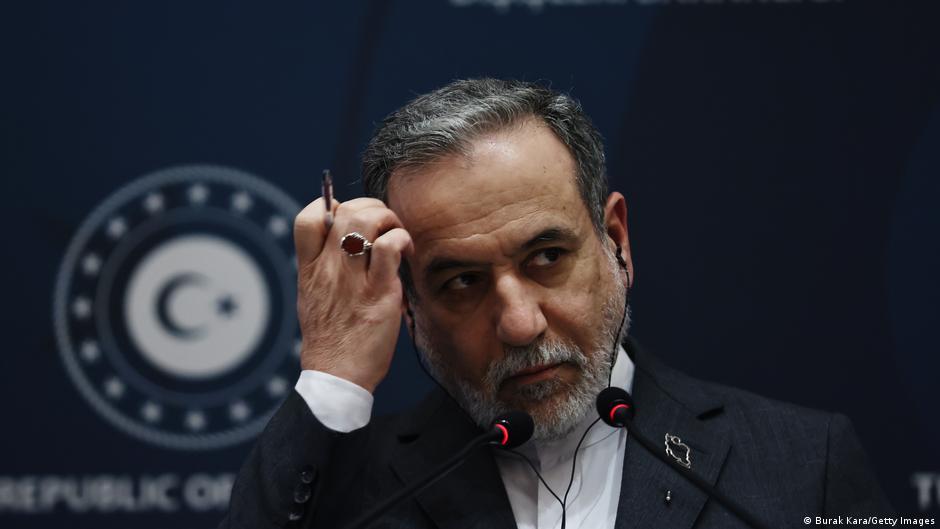
DW reports that even after Trump’s declaration that hostilities have been “terminated,” there hasn’t been any change in U.S. military posture, with the U.S. Navy continuing to enforce a blockade of Iranian ports and shipping.
CBS News ties the conflict’s continued costs to the U.S. economy, reporting that oil prices spiked with Brent crude briefly topping $126 a barrel and that the war is closer to $50 billion, with internal assessments cited by U.S. officials familiar with internal assessments.
In the political arena, PBS reports that Congress made no attempt at enforcing the War Powers requirement and that lawmakers left town Thursday for a week after the Senate rejected a Democratic attempt to halt the war for a sixth time.
TRT World describes the administration facing a legal deadline to either end U.S. involvement or seek congressional authorisation to continue, while also noting that there is “still no clear indication of what the White House intends to do” as lawmakers prepare to leave for a week-long recess.
More on USA

Pentagon Orders Withdrawal of 5,000 U.S. Troops From Germany Over Trump-Merz Feud
18 sources compared
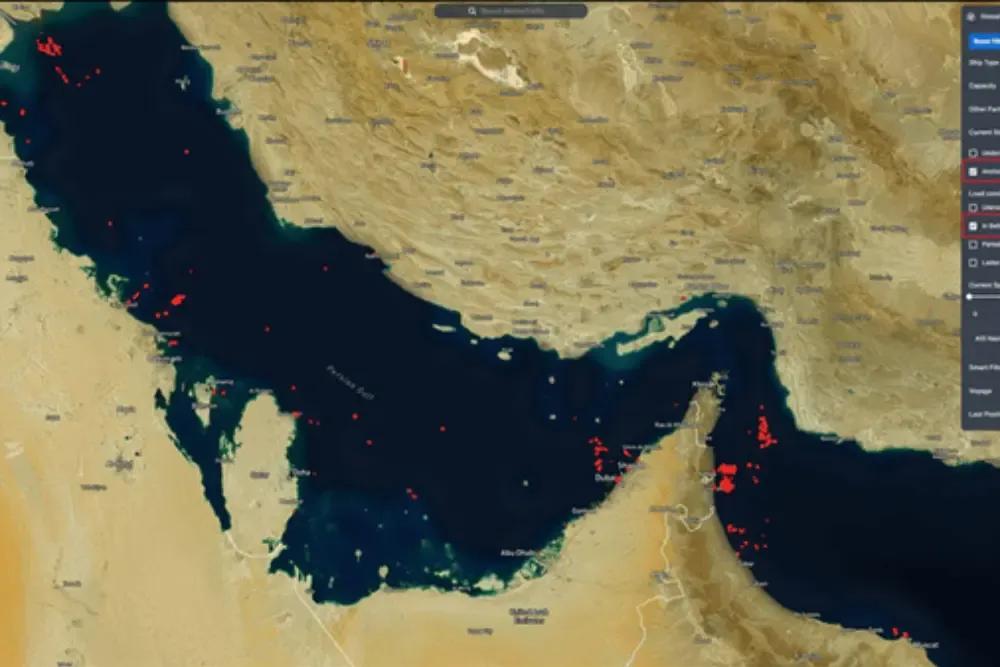
U.S. Treasury Warns Shippers Not to Pay Iran Strait of Hormuz Tolls
11 sources compared

Bill Lee And Kay Ivey Call Special Sessions To Redraw Tennessee And Alabama House Maps
13 sources compared

Federal Judge Dale E. Ho Blocks Trump From Ending Temporary Protected Status for Yemeni Migrants
15 sources compared