
Pentagon Orders Withdrawal of 5,000 U.S. Troops From Germany Over Trump-Merz Feud
Key Takeaways
- Pentagon orders withdrawal of about 5,000 U.S. troops from Germany.
- Move follows Trump's feud with Chancellor Merz over Iran war policy.
- Remaining U.S. forces in Germany exceed 30,000.
5,000 Troops Withdrawn
The Pentagon ordered the withdrawal of approximately 5,000 U.S. troops from Germany, with the redeployment expected to be completed over the next six to 12 months, as President Donald Trump escalated a feud with German Chancellor Friedrich Merz over the U.S. war with Iran.
“The transatlantic relationship is facing a new episode of tension”
Fox News Digital reported that chief Pentagon spokesman Sean Parnell said, "The Secretary of War has ordered the withdrawal of approximately 5,000 troops from Germany," and added, "We expect the withdrawal to be completed over the next six to twelve months."
AP similarly said the United States will withdraw about 5,000 troops from Germany in the next six to 12 months, describing it as fulfilling Trump’s threat as he clashes with Merz over the U.S. war with Iran.
CNN reported that the Pentagon said the U.S. will be withdrawing roughly 5,000 troops from Germany over the next year, while still leaving more than 30,000 U.S. troops in the country.
Military Times said the Pentagon announced on Friday that the U.S. is withdrawing 5,000 troops from NATO ally Germany, and that the drawdown was expected to be completed over the next six to 12 months.
Politico reported that Defense Secretary Pete Hegseth ordered the withdrawal after reviewing U.S. troop buildup in Europe, and it quoted Parnell saying, "The Secretary of War has ordered the withdrawal of approximately 5,000 troops from Germany," and, "We expect the withdrawal to be completed over the next six to twelve months."
Across the coverage, the decision was tied to a review of U.S. force posture in Europe, with Parnell repeating, "This decision follows a thorough review of the Department’s force posture in Europe and is in recognition of theater requirements and conditions on the ground."
Why the Rift Widened
The troop order was presented by multiple outlets as a response to German criticism of the U.S. war with Iran and to Trump’s dissatisfaction with Europe’s posture during the conflict.
AP said Trump had threatened to withdraw some troops from the NATO ally earlier this week after Merz said the U.S. was being “humiliated” by the Iranian leadership and criticized Washington’s lack of strategy in the war.
CNN reported that Merz accused U.S. officials of entering a war without a clear strategy, saying the “whole affair is ill-considered to say the least,” and it quoted Merz describing “An entire nation is being humiliated by the Iranian leadership.”
CNN also said Trump on Tuesday said Merz “doesn’t know what he’s talking about” on Iran and the following day announced that the U.S. was “studying and reviewing” a possible troop reduction.
Fox News Digital tied the escalation to tensions over their response to the conflict involving Iran, and it quoted Merz in Marsberg criticizing the U.S. approach to Iran as Washington being "humiliated by the Iranian leadership."
Military Times added that a senior Pentagon official, speaking on condition of anonymity, said recent German rhetoric had been “inappropriate and unhelpful,” and it quoted the official saying, "The president is rightly reacting to these counterproductive remarks."
NBC News described the move as a direct response to comments made by Chancellor Friedrich Merz, while also reflecting Trump’s frustration that U.S. allies aren't doing enough, quoting a senior Pentagon official saying, "This cannot be a one-way street."
Reactions From Congress and Experts
The withdrawal triggered immediate political pushback and competing interpretations of what it would mean for U.S. security interests.
“Dopo aver annunciato di voler valutare una riduzione del contingente americano sul territorio tedesco, il presidente statunitense Donald Trump ha aperto alla possibilità di un ritiro di truppe anche dall’Italia e dalla Spagna, accusandole di non aver sostenuto adeguatamente gli Stati Uniti nel confronto con l’Iran”
AP reported that news of the troop withdrawal drew swift pushback from Democrats in Congress as well as a hawkish Washington think tank, and it quoted Sen. Jack Reed of Rhode Island saying, "The withdrawal “suggests American commitments to our allies are dependent on the president’s mood,"" and that, "The president should immediately cease this reckless action before he causes irreversible consequences for our alliances and long-term national security," Reed said.
AP also quoted Bradley Bowman, a scholar at the Foundation for Defense of Democracies, saying the U.S. military’s presence in Germany and elsewhere in Europe “not only strengthens deterrence against additional Kremlin aggression but also facilitates the projection of American military power into the Mediterranean, the Middle East, and Africa.”
Politico and The Hill both described the decision as a relatively minor drawdown that still left about 33,000 troops in Germany, but they also highlighted that not all Republicans agreed, with Politico quoting Brad Bowman saying withdrawing troops from Germany would primarily hurt the U.S. and benefit adversaries like Russia.
The Hill reported that the shake-up would affect a brigade combat team and potentially other U.S. forces already in Germany, and it quoted a senior Pentagon official saying the decision “follows a thorough review of the Department’s force posture in Europe and is in recognition of theater requirements and conditions on the ground.”
The Hill also quoted Sen. Roger Wicker (R-Miss.) and Mike Rogers (R-Ala.) saying, "We strongly oppose the decision not to maintain the rotational U.S. brigade in Romania and the Pentagon’s process for its ongoing force posture review that may result in further drawdowns of U.S. forces from Eastern Europe," and it said Trump and Defense Secretary Pete Hegseth defended the withdrawal.
In a separate framing, Military Times quoted a senior Pentagon official saying the drawdown would bring U.S. troop levels in Europe back to roughly pre-2022 levels and cast the decision in terms of the Trump administration’s push for Europe to become the main security provider.
Different Numbers, Different Frames
While the core decision was consistent—5,000 troops leaving Germany—the reporting diverged on how many U.S. troops would remain and how the change should be interpreted.
Fox News Digital said about 38,000 U.S. troops are stationed in Germany, where U.S. European Command is headquartered at Ramstein Air Base, and it described the redeployment as a response to Trump’s escalating feud with Merz and other NATO allies after tensions over their response to the conflict involving Iran.
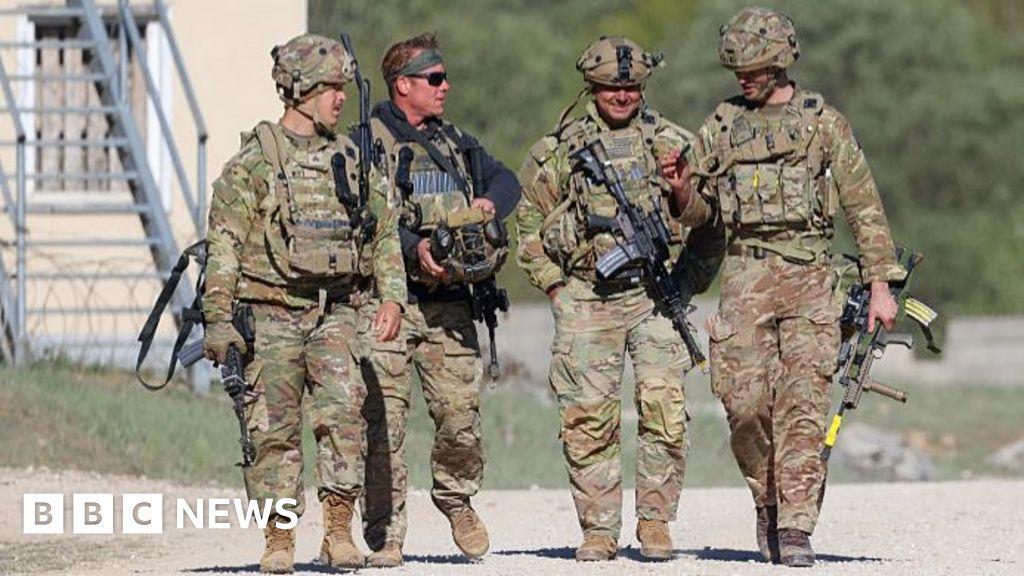
AP said the number of troops leaving Germany would be 14% of the 36,000 American service members stationed there, and it said Germany hosts several U.S. military facilities including Ramstein Air Base and a medical center in Landstuhl, where casualties from the wars in Afghanistan and Iraq were treated.
CNN said the move would still leave more than 30,000 U.S. troops in the country, and it cited that as of December 2025 there were 36,436 active-duty U.S. military personnel permanently stationed in Germany, according to data from the US Defense Manpower Data Center.
Military Times said Germany is home to some 35,000 active-duty U.S. military personnel, more than anywhere else in Europe, and it said the drawdown would bring U.S. troop levels in Europe back to roughly pre-2022 levels.
Politico said the drawdown leaves about 33,000 troops there, and it described the redeployment as a relatively minor drawdown of a buildup that began under Joe Biden in response to Russia’s full-scale invasion of Ukraine in February 2022.
The Guardian asked “Why does the US have military bases in Germany?” and provided a longer historical and structural frame, while also arguing that substantive personnel reductions at bases such as Stuttgart and Ramstein would come at huge cost to US military reach.
Stakes and What Comes Next
The reporting framed the stakes as both immediate operational changes and longer-term alliance management, with multiple outlets pointing to what would be affected inside Germany and what would remain.
“Trump says he is considering a reduction of the U”
NBC News said the move would include one brigade combat team as well as other forces inside Germany, and it stated that the decision does not appear to affect massive medical support bases, like Landstuhl, where thousands of troops, including those who have been injured during the war, have been taken for medical treatment.
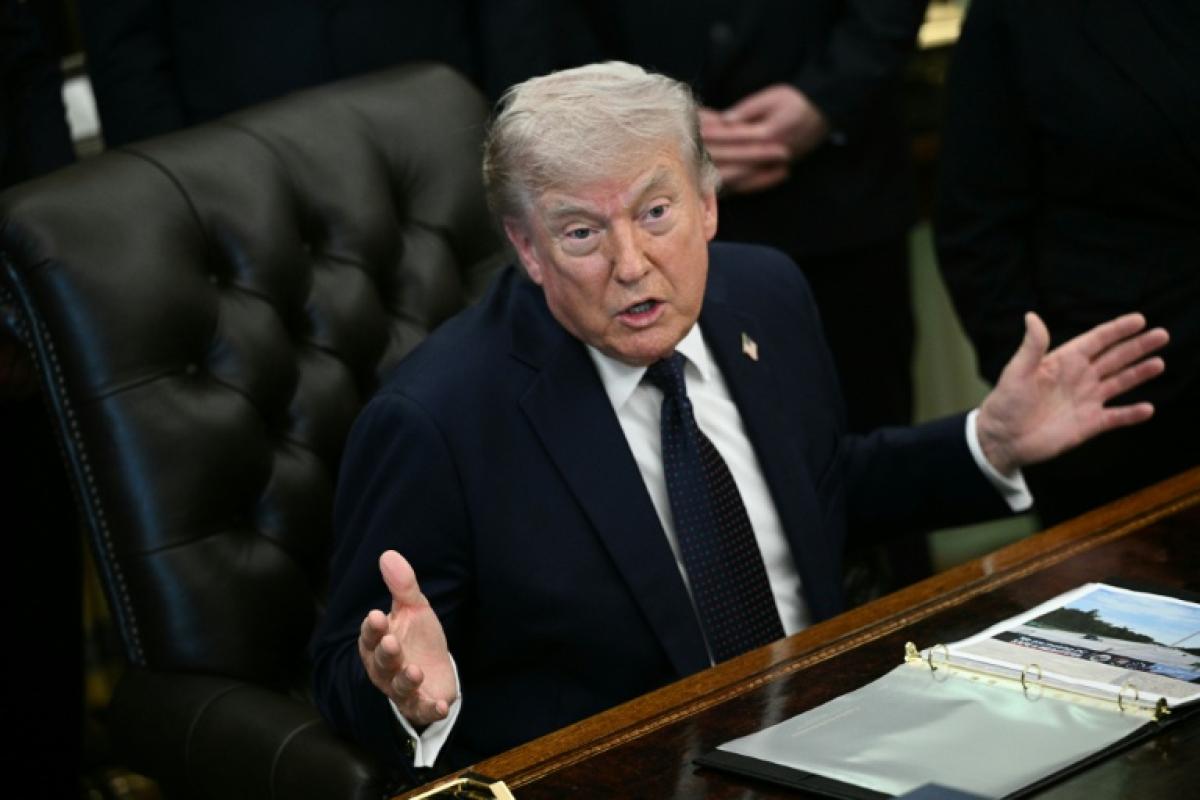
Politico reported that a brigade combat team now in Germany will be pulled out and that a long-range fires battalion that the Biden administration had planned to begin deploying to Germany later this year will no longer deploy.
The Hill said the redeployment will affect a brigade combat team and potentially other U.S. forces already in Germany, and it described the shake-up as bringing the number of service members roughly to pre-2022 levels.
AP said Germany hosts U.S. nuclear missiles, and it listed Ramstein Air Base and a medical center in Landstuhl, where casualties from the wars in Afghanistan and Iraq were treated, underscoring that the footprint includes more than training and logistics.
CNN added that Germany is home to Ramstein Air Base, the headquarters for U.S. Air Forces in Europe, and it said the unit does “airlift, airdrop and aeromedical evacuation operations” according to its website.
Beyond Germany, the reporting connected the troop decision to broader threats Trump made about NATO allies, with NBC News noting Trump suggested he also would pull troops from Italy and Spain, and BBC quoting Trump saying, "I probably will - look, why shouldn't I?" when asked about Italy and Spain.
More on USA

Trump Administration Says Iran War ‘Terminated’ as War Powers Deadline Nears May 1
16 sources compared
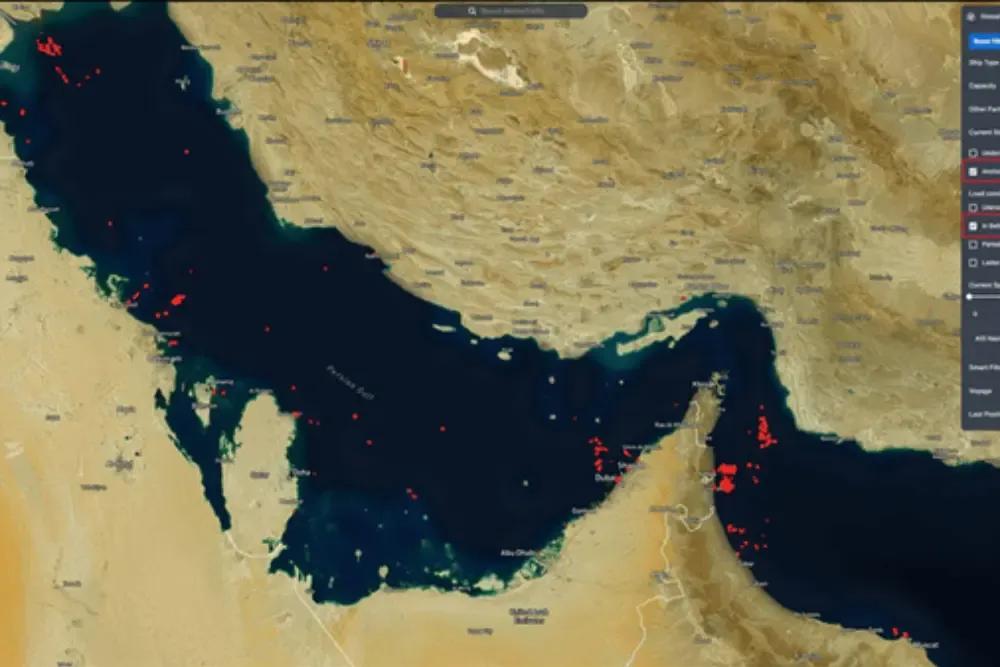
U.S. Treasury Warns Shippers Not to Pay Iran Strait of Hormuz Tolls
11 sources compared

Bill Lee And Kay Ivey Call Special Sessions To Redraw Tennessee And Alabama House Maps
13 sources compared
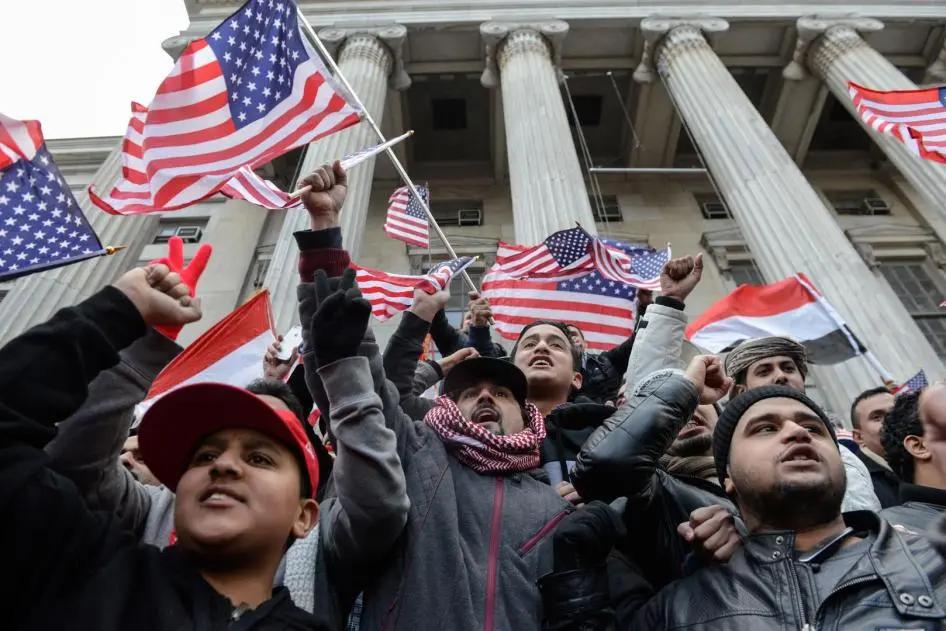
Federal Judge Dale E. Ho Blocks Trump From Ending Temporary Protected Status for Yemeni Migrants
15 sources compared