
Donald Trump Tells Congress Iran Hostilities Have Terminated After War Powers Deadline
Key Takeaways
- Trump claims Iran hostilities terminated, says no congressional authorization needed.
- Ceasefire pauses the 60-day War Powers clock, delaying authorization.
- Democrats criticize claim; lawmakers question legality of bypassing authorization.
War Powers Deadline
President Donald Trump told congressional leaders that “hostilities” with Iran have “terminated,” as a 60-day War Powers Resolution deadline reached its end, according to letters and reporting described across U.S. outlets.
The Washington Post framed Friday as “a significant moment in the U.S.-Israeli war with Iran,” noting Trump faced a key deadline to end fighting or extend it under the War Powers Resolution, while Defense Secretary Pete Hegseth asserted an ongoing ceasefire “pauses” the countdown toward that May 1 deadline.
The Irish Times reported Trump made the claim the Iran conflict has “terminated” despite an ongoing stand-off, and it quoted Trump’s letter to Congress: “There has been no exchange of fire between United States Forces and Iran since April 7, 2026. The hostilities that began on February 28, 2026, have terminated.”
NBC News similarly said Trump told Congress he “doesn’t need congressional authorization for ongoing military operations in Iran,” tying the argument to the ongoing ceasefire and the War Powers Resolution’s 60-day threshold.
CBS News put the constitutional dispute at the center of the political storm, describing the 60-day clock as triggered by the president’s notification and reaching its deadline on Friday.
The Hill reported Trump “formally informed Congress in a letter Friday” that the ongoing ceasefire with Iran extended the timeline between the start of the war and the 60-day deadline invoked by the War Powers Act.
Fox News Digital added that a senior administration official told it: “For War Powers Resolution purposes, the hostilities that began on Saturday, February 28 have terminated,” and that “Both parties agreed to a 2-week ceasefire on Tuesday, April 7 that has since been extended.”
Ceasefire vs. Blockade
Across the reporting, the administration’s legal position hinged on the idea that a ceasefire stopped the War Powers clock, even as other U.S. actions continued in the region.
Defense Secretary Pete Hegseth told a Senate hearing that the current fragile truce “means the 60-day clock pauses, or stops,” a point echoed by the Irish Times and also described by The Hill as the administration’s rationale.
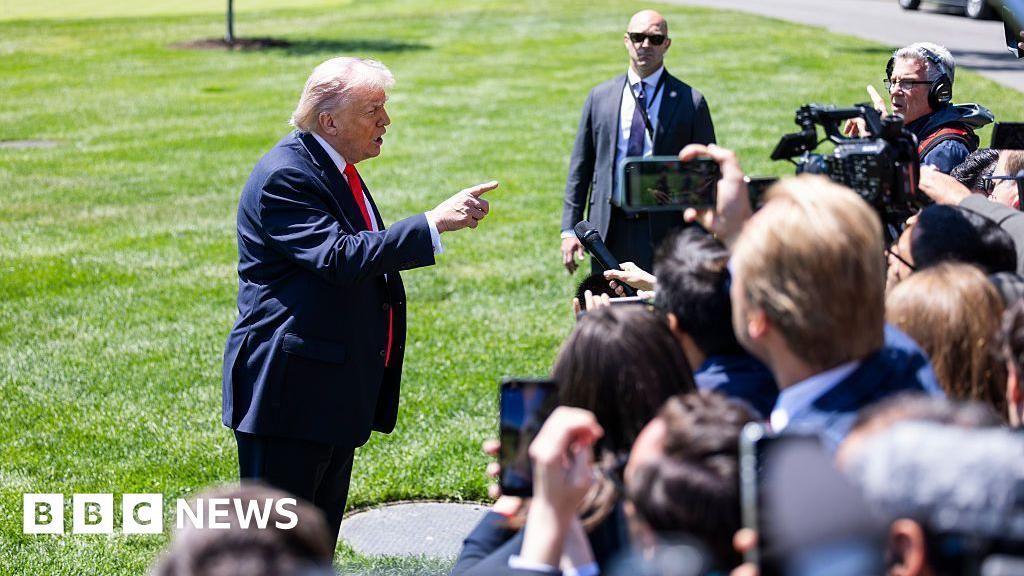
The Hill said Trump’s letter Friday argued the ceasefire extended the timeline between the start of the war and the 60-day deadline, and it noted Trump suggested the Vietnam War-era law is unconstitutional.
Fox News Digital emphasized that while bombing ceased on April 7, “U.S. forces continue enforcing a naval blockade in the Strait of Hormuz — an operation widely considered an act of war,” and it quoted legal adviser John Bellinger saying a ceasefire “does not automatically suspend the War Powers 60-day clock.”
CBS News described the administration’s argument as tied to the ceasefire, while also noting that the U.S. enforced a naval blockade on Iranian ports and threatened to imminently restart strikes.
MS NOW and CNBC both described the administration’s framing that “hostilities” had “terminated” for War Powers Resolution purposes, with CNBC reporting U.S. crude oil futures fell 3% to close at $101.94 per barrel and Brent lost nearly 2% to settle at $108.17 after Iran sent an updated peace proposal to mediators in Pakistan.
The Irish Times added that despite the ceasefire, Iran maintained its chokehold on the Strait of Hormuz and the U.S. navy enforced a blockade of the country’s ports to prevent oil shipments, describing the closure as inflicting a global economic shock and sending energy prices soaring.
In the same dispute, The Guardian reported Democrats challenged Trump’s claim in a formal letter, with Chuck Schumer posting “That’s bullshit,” and Jeanne Shaheen writing that the claim “doesn’t reflect the reality that tens of thousands of U.S. service members in the region are still in harm’s way.”
Democrats Push Back
Democrats and some Republicans rejected Trump’s “terminated” framing, arguing the War Powers Resolution still applied because the conflict had not ended in practice.
The Guardian reported Senate Democrats called “BS” on Trump’s letter, quoting Trump’s own language that “There has been no exchange of fire between United States Forces and Iran since April 7, 2026,” and then quoting Chuck Schumer’s response: “That’s bullshit,” adding, “This is an illegal war and every day Republicans remain complicit and allow it to continue is another day lives are endangered, chaos erupts, and prices increase, all while Americans foot the bill.”
Jeanne Shaheen, the ranking member of the Senate armed services committee, agreed and wrote that Trump’s declaration “doesn’t reflect the reality that tens of thousands of U.S. service members in the region are still in harm’s way,” and that “the Strait of Hormuz remains closed and prices are skyrocketing at home.”
CBS News described Democratic Sen. Tim Kaine of Virginia saying, “I do not believe the statute would support that,” and adding that the 60-day deadline on Friday would “pose a really important legal question for the administration.”
The Hill similarly said lawmakers on both sides voiced concerns about the conflict exceeding the time limit covered by the War Powers Act, and it described Trump’s argument that the law is unconstitutional as a new line.
Politico reported that the White House’s missive sought to head off a battle on Capitol Hill and quoted Trump’s letter language: “There has been no exchange of fire between the United States and Iran since April 7, 2026,” and “The hostilities that began on February 28, 2026, have terminated.”
In the same dispute, Fox News Digital quoted Stephen Pomper saying, “I don’t think it’s a very credible interpretation. It’s certainly not based on the text of the statute,” and it quoted Pomper again as saying, “There’s still an enormous American deployment. There’s an active blockade, which is an act of war.”
Trump’s Florida Remarks
While the War Powers dispute played out in letters and hearings, Trump also made remarks in Florida that tied his position on Iran to broader political and military messaging.
CNN reported Trump said the U.S. could be “better off” if officials don’t reach a deal with Iran, and it quoted him: “Frankly, maybe we’re better off not making a deal at all. Do you want to know the truth? Because we can’t let this thing go on,” adding, “Been going on too long.”

CNN also reported Trump called it “treasonous” to say the U.S. isn’t winning the war, and it described his remarks at an event in West Palm Beach, Florida, where he addressed a pending deal with Iran and other topics.
NBC News described Trump’s comments at the Kravis Center for the Performing Arts in West Palm Beach, where he said, “as soon as it’s over, [prices] are going to drop like a rock,” referencing the war in Iran, and it reported Trump’s apologetic tone over high energy prices spurred by the Iran conflict.
The Hill reported Trump told the Forum Club of the Palm Beaches that he was “so busy with the Iranians calling,” and it quoted him saying, “Frankly, maybe we’re better off not making a deal at all, if you want to know the truth, because we can’t let this thing go on,” and “Been going on too long.”
The Hill also described Trump’s quip about “taking over” Cuba, including a line about the USS Abraham Lincoln aircraft carrier and stopping “about 100 yards offshore.”
In the same reporting stream, NBC News said Trump continued arguing that “they don’t like the word war,” and it quoted him saying, “You know, they don't like the word war, and they call it a military operation, because that way you don't have a war, you don't have legal problems.”
What Comes Next
The sources portray the immediate aftermath of the War Powers deadline as a continuing standoff over legal authority, with military posture and blockade enforcement still central to the dispute.
Fox News Digital said that if Congress does not act, “the administration could continue operations without new authorization,” and it quoted Stephen Pomper saying, “It’s really up to Congress, and as often as not, Congress doesn’t want to push back.”

CBS News described that Congress has never successfully used the War Powers Resolution to end a military campaign, and it noted Republican lawmakers had said the administration should begin winding down the Iran campaign while some said they were working on legislation to authorize force.
Politico reported the letter came as Trump faced the prospect of losing Republican support as the war stretched into its second month, and it described Sen. Susan Collins as the first Republican senator to switch votes since the war began in February, with Collins saying, “That deadline is not a suggestion; it is a requirement.”
The Hill reported Trump traveled to Florida on Friday and that the War Powers clock issue was now tied to a week-long congressional recess, while the Washington Post said Congress begins a week-long recess and it was unclear how the White House would address repeated demands by congressional Democrats that it halt the war.
CNBC added that oil prices fell after Iran sent an updated peace proposal to mediators in Pakistan, but it also reported Trump said, “Iran wants to make a deal, but I'm not satisfied with it,” and it reiterated the War Powers deadline logic.
The Irish Times described the economic stakes, saying the effective closure of the Strait of Hormuz had inflicted a global economic shock and sent energy prices soaring, and it said the blockade remained in effect despite the ceasefire.
In parallel, NBC News reported the Pentagon said the U.S. would withdraw approximately 5,000 troops from Germany, and it said the decision was a direct response to comments made by German chancellor Friedrich Merz, underscoring that U.S. posture decisions were unfolding alongside the Iran legal fight.
More on USA
Pentagon Plans To Withdraw 5,000 U.S. Troops From Germany Over Trump-Merz Iran Dispute
59 sources compared
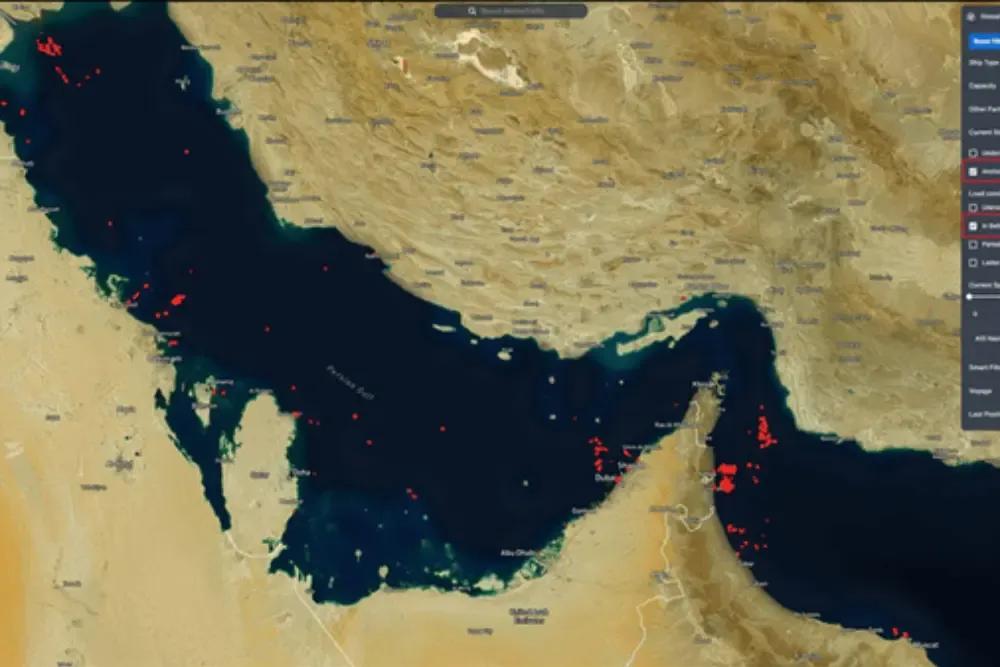
U.S. Treasury Warns Shippers Not to Pay Iran Strait of Hormuz Tolls
11 sources compared

Bill Lee And Kay Ivey Call Special Sessions To Redraw Tennessee And Alabama House Maps
13 sources compared
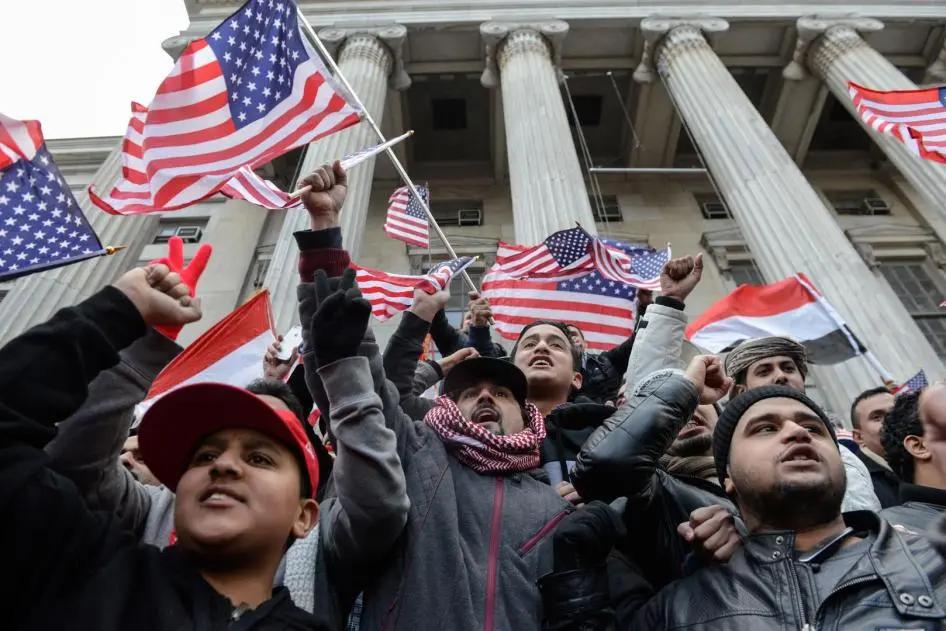
Federal Judge Dale E. Ho Blocks Trump From Ending Temporary Protected Status for Yemeni Migrants
15 sources compared