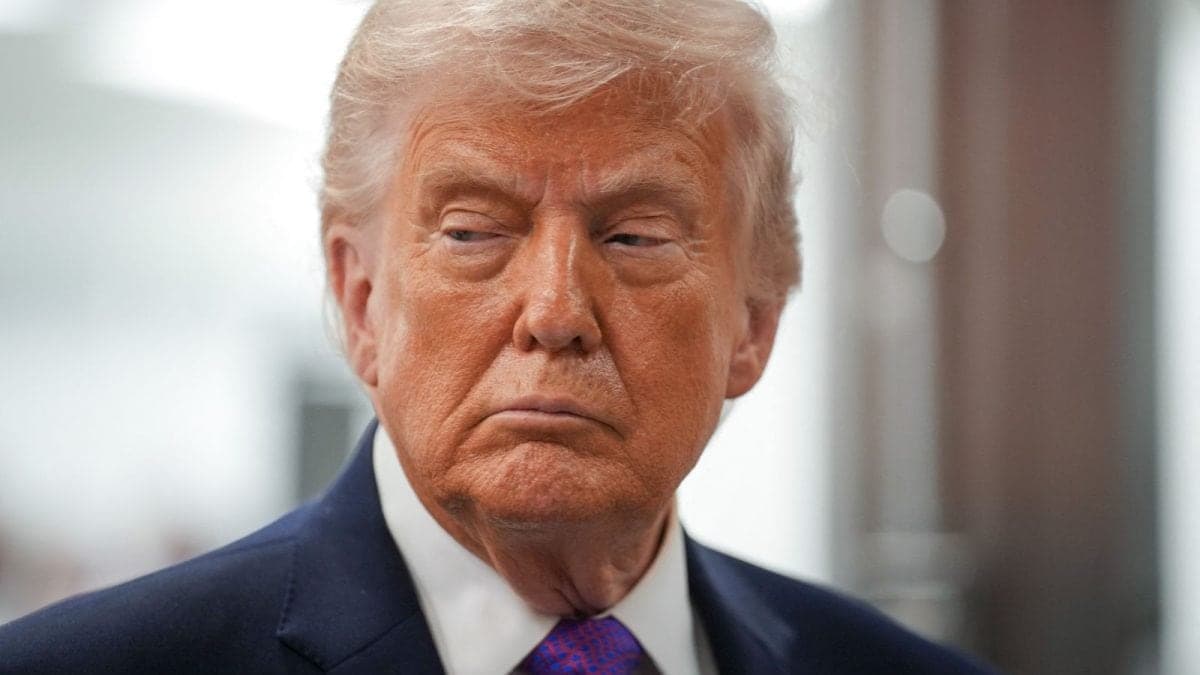
Donald Trump Throws US-China Reboot Off Course By Saying He Could Delay Xi Jinping Summit
Key Takeaways
- Trump said he could delay Xi Jinping summit if China balks on Strait of Hormuz.
- Beijing's help to reopen the Strait of Hormuz is being pressed as a condition.
- Upcoming Xi Jinping summit could be delayed, signaling strain in US-China relations.
Trump's Summit Threat
US President Donald Trump has thrown US-China relations into uncertainty by threatening to delay a highly-anticipated summit with Chinese counterpart Xi Jinping unless Beijing helps unblock the Strait of Hormuz.
“Chicago soybean futures slumped more than 2% on Monday — dropping below $12 a bushel — in the face of a potential delay of US trade talks with China, the world’s top buyer of the oilseed”
The announcement came during an interview with the Financial Times, where Trump indicated he could postpone the summit if China does not cooperate on opening the critical maritime chokepoint.
The Strait of Hormuz is through which approximately one-fifth of the world's daily oil supply passes.
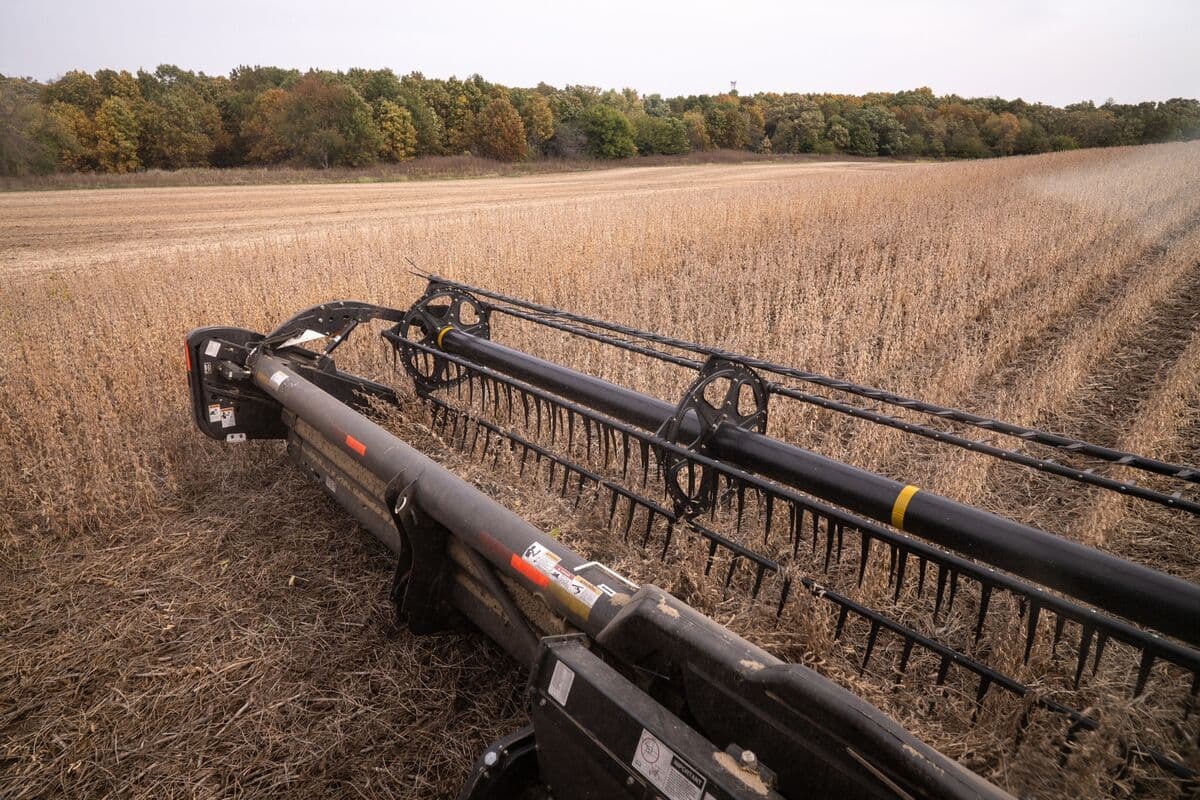
Market reacted swiftly to the news, with Chicago soybean futures slumping more than 2% on Monday, dropping below $12 a bushel.
Investors anticipated potential disruptions to trade talks between the world's two largest economies.
China represents the world's top buyer of American soybeans, making agricultural markets particularly sensitive to tensions between the two nations.
Diplomatic Context
The threatened summit represents a critical moment in US-China relations, coming just five months after the two leaders met in the South Korean city of Busan.
In Busan, they agreed to a one-year truce in a trade war that had seen tit-for-tat tariffs briefly soar to triple-digit levels.

Chinese top diplomat Wang Yi had already indicated that the agenda for the exchange was already 'on the table,' suggesting both sides had been preparing for substantive discussions.
This would have marked the first visit for a US president to China since Trump's last trip during his first term in 2017.
The timing of Trump's remarks appears particularly strategic, coming as both nations were positioning themselves for what was expected to be a high-stakes diplomatic engagement in Beijing.
Trump's Strategic Linkage
Trump's reasoning for linking the summit to the Strait of Hormuz situation stems from his assertion that China sources approximately 90% of its oil through the strategic waterway.
“Accessibility helpSkip to navigationSkip to main contentSkip to footer > Donald Trump throws US-China reboot off course by saying he could delay Xi Jinping summit Subscribe to unlock this article Try unlimited access Only £1 for 4 weeks Then £59 per month”
He framed Beijing's cooperation as a matter of self-interest rather than international solidarity.
The president has appealed to several European and Asian countries, including China, to help open up the chokepoint which has become increasingly critical amid regional tensions.
Trump's comments reveal an approach that conditions diplomatic engagement on specific geopolitical outcomes.
This linkage between trade talks and security cooperation suggests a broader strategy where economic relations are increasingly intertwined with strategic considerations.
China's Energy Reality
Analysis suggests that Trump's characterization of China's dependence on the Strait of Hormuz may significantly overstate the actual economic vulnerability.
China has spent the past two decades diversifying its energy sources and building strategic reserves to cushion any prolonged disruption.
Data from experts indicates that seaborne oil imports through the strait now account for less than half of China's total oil shipments.
Oil flows through Hormuz represent just 6.6% of China's total energy consumption according to Rush Doshi, director of the China Strategy Initiative at the Council on Foreign Relations.
Nomura research further supports this assessment, while satellite imagery shows that Iran has continued shipping large amounts of crude oil to China since the war broke out.
This discrepancy between Trump's framing and the actual economic reality suggests potential miscalculation in the diplomatic strategy being employed.
Broader Implications
The broader implications of Trump's summit threat extend beyond immediate market reactions to potentially reshape the diplomatic calculus between Washington and Beijing.
“Chicago soybean futures slumped more than 2% on Monday — dropping below $12 a bushel — in the face of a potential delay of US trade talks with China, the world’s top buyer of the oilseed”
The linkage of trade negotiations to security cooperation sets a precedent that could complicate future diplomatic engagements.
Economic and strategic issues become increasingly intertwined in US-China relations.
Both nations had been positioning themselves for substantive discussions during the Beijing summit.
Chinese diplomats already having established an agenda suggests substantive progress had been anticipated before Trump's remarks.
This development comes amid ongoing efforts to manage what has been described as a 'high-stakes' diplomatic engagement.
The market reaction to soybean futures indicates businesses are already factoring in potential disruptions to trade relations.
Diplomatic uncertainty could have tangible economic consequences.
More on USA

FCC chair Brendan Carr Threatens Broadcasters' Licenses Over Iran War Coverage
18 sources compared

Cuba's Díaz-Canel Acknowledges Talks with U.S. as Energy Crisis Worsens
25 sources compared

Ric Grenell Steps Down as Kennedy Center President; Trump Names Replacement Matt Floca
10 sources compared
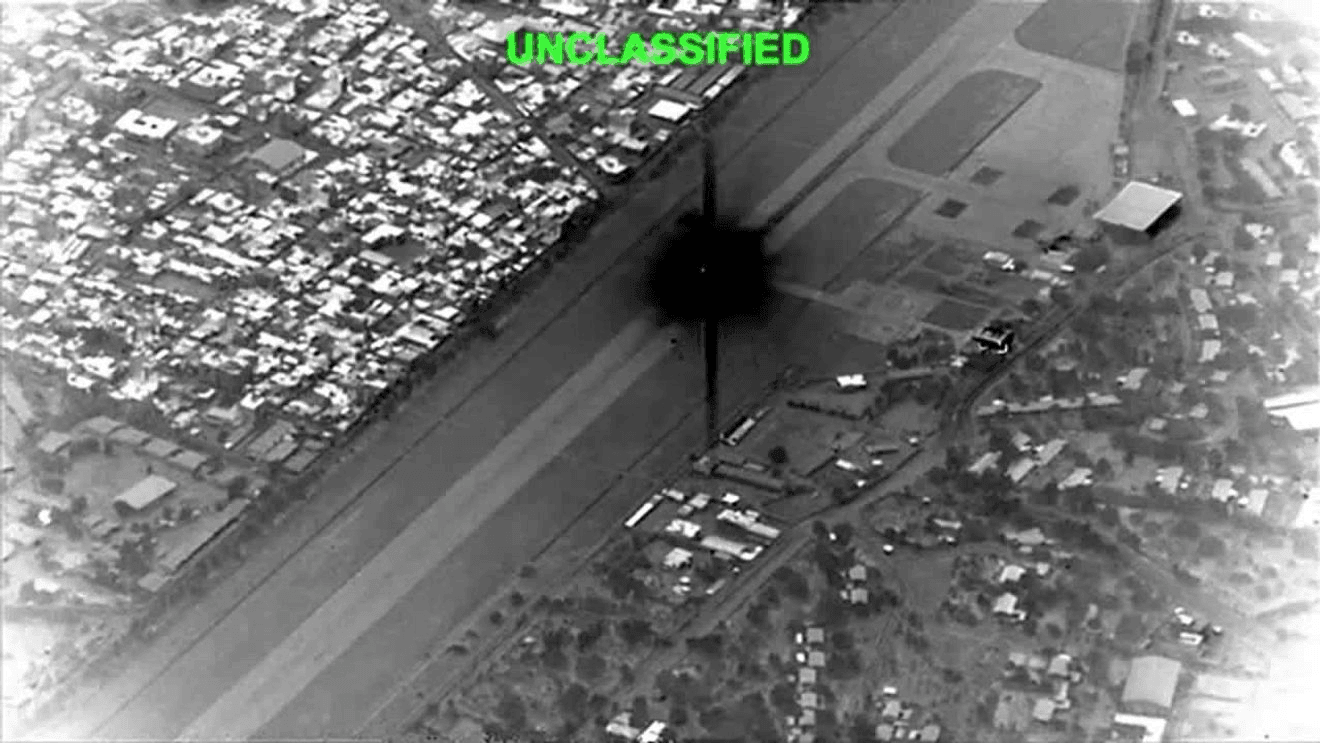
United States launches large-scale strike on Iran's Kharg Island, CENTCOM confirms.
14 sources compared