
Donor Countries Pledge $3.9 Billion to Global Environment Facility for 2026-2030
Key Takeaways
- Donor governments pledged $3.9 billion for the Global Environment Facility's ninth replenishment.
- The pledge funds a four-year cycle running July 2026 to June 2030.
- The pledge signals commitment to 2030 environmental goals and action in developing countries.
GEF-9 Funding Pledge
Donor countries have pledged an initial $3.9 billion to the GEF for its ninth replenishment cycle.
“Editing:Megan Rowling The Global Environment Facility (GEF), a multilateral fund that provides climate and nature finance to developing countries, has raised $3”
The amount falls short of the previous four-year cycle, which raised $5.3 billion.
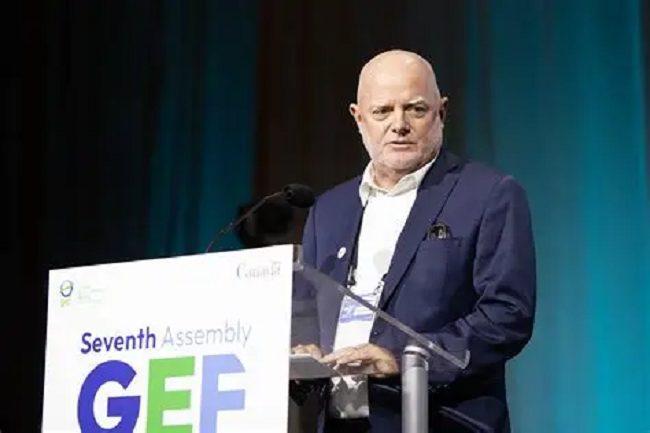
Claude Gascon said the world is not giving up on nature even in a time of competing priorities.
The GEF serves as a financial mechanism for six international environmental conventions.
The replenishment comes at a pivotal juncture as global assessments show rapid declines in biodiversity.
Further pledges are expected by the GEF Council meeting at the end of May.
Strategic Priorities and Allocation
The GEF will allocate 35% of resources for least developed countries and small island states.
20% of the money will go to Indigenous people and communities.
The GEF-9 integrated programmes will support countries in shifting five key systems.
The facility plans to allocate 25% of its budget for mobilising private funds through blended finance.
Niels Annen said Germany’s priorities are very well reflected.
Aliou Mustafa welcomed the announcement and said the GEF is strengthening trust with Indigenous Peoples.
Challenges and Criticism
The $3.9 billion pledge falls significantly short of the previous cycle's $5.3 billion.
“SAINT LUCIA, April 9 (IPS) - With just four years left to meet a series of global environmental targets, governments are committing to shore up one of the world’s main environmental funds, the Global Environment Facility (GEF), with a $3”
Brian O’Donnell called the announcement an alarming trend of donor governments cutting public finance.
The Guardian reported that Hessen's compliance team audited the factory in March.
Rahman Textile owner claimed the factory had passed its most recent safety inspection in January.
Clean Clothes Campaign said the audit system was fundamentally broken.
More on Technology and Science
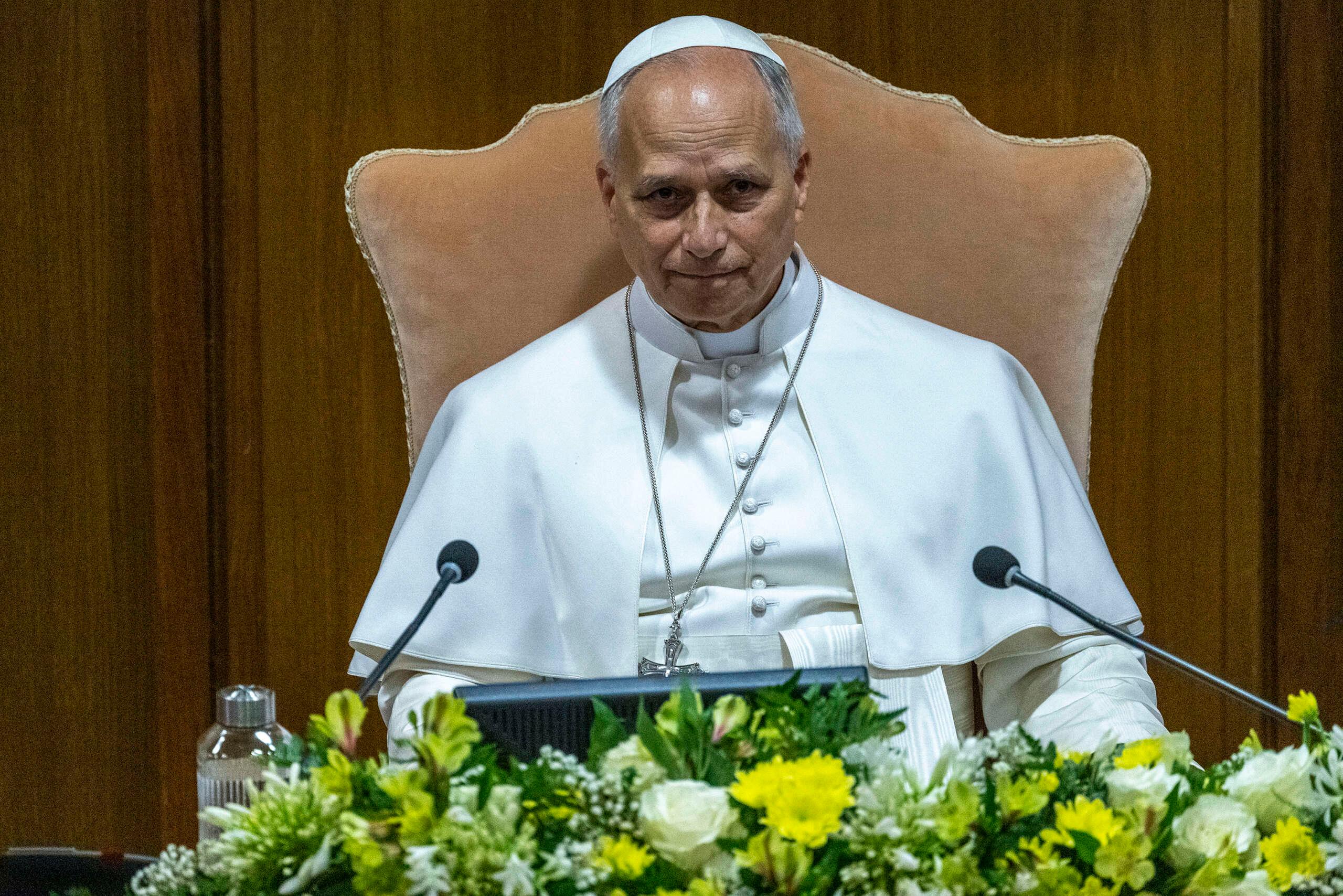
Pope Leo XIV Warns AI Left Unchecked Can Create New Forms Of Slavery
13 sources compared

The Lancet Study Finds Paracetamol Use During Pregnancy Does Not Increase Autism Risk
10 sources compared

Pope Leo XIV Calls for AI Disarmament in First Encyclical in Rome
58 sources compared

Crack At GKN Aerospace Chemical Tank Triggers Emergency, Evacuates 50,000 In Garden Grove
29 sources compared