EAM Jaishankar Holds Calls With Iran’s FM Abbas Araghchi to Secure Strait of Hormuz Shipping
Key Takeaways
- EAM S. Jaishankar held three telephone talks with Iran’s FM Abbas Araghchi on maritime safety
- They discussed safe passage through the Strait of Hormuz and India’s energy security
- Iran allowed India-flagged tankers to pass through the Strait of Hormuz after talks
Repeated diplomatic calls
India’s External Affairs Minister S. Jaishankar has engaged in repeated high-level diplomacy with Iran’s Foreign Minister Seyed Abbas Araghchi as the West Asia crisis has disrupted maritime security.
“India has confirmed that External Affairs Minister S”
Officials described the latest exchange on March 10 as a detailed review of the evolving situation and an agreement to remain in contact.
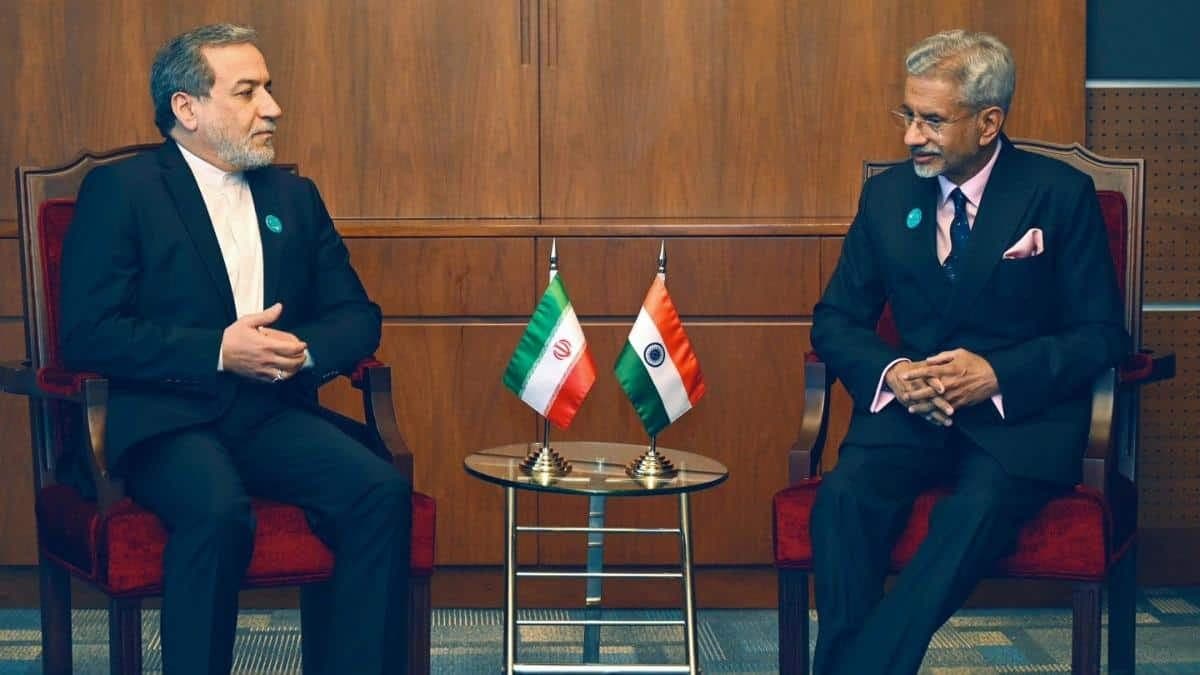
Multiple outlets reported that Jaishankar “held three rounds of conversations with Iran’s Foreign Minister Abbas Araghchi” and that the ministers “reviewed the situation and agreed to stay in touch,” while noting this was the third interaction since the crisis began and that Jaishankar has also spoken with other partners such as Germany and South Korea about the conflict’s implications.
Safe passage for tankers
Several Indian media reports and maritime trackers indicate a partial easing for India-bound shipping after the talks, with Iran allowing India-flagged vessels through the Strait of Hormuz and at least two named tankers completing safe transits.
Sources said “Iran has allowed India-flagged tankers to pass through the Strait of Hormuz following talks between External Affairs Minister (EAM) S. Jaishankar and his Iranian counterpart Abbas Araghchi,” and named Indian tankers “Pushpak” and “Parimal” as having “been passing safely through the Strait of Hormuz.”

A related report noted that a Liberian-flagged vessel, the “Shenlong Suezmax,” captained by an Indian, also “successfully crossed the Strait of Hormuz and berthed at the Mumbai port,” developments New Delhi hopes will ease energy-supply concerns.
Energy security stakes
India’s outreach is explicitly tied to energy security worries as the Strait of Hormuz has effectively become a chokepoint for global petroleum and LNG flows.
“TRHRAN, Mar 11 : External Affairs Minister Subrahmanyam Jaishankar held a telephone conversation with Iranian Foreign Minister Seyed Abbas Araghchi to discuss escalating regional tensions, maritime security concerns, and ongoing bilateral cooperation between New Delhi and Tehran”
Outlets report Iran’s actions have driven volatility in fuel markets and described the situation as amounting to an effective obstruction of transit.
Reports emphasised that the strait “serves as the conduit for approximately 20 per cent of the world’s total oil and liquefied natural gas (LNG) consumption,” and described the wider backdrop in which Tehran’s measures have “pushed global oil and LNG prices higher” and created a de facto “virtual blockade” that New Delhi is trying to mitigate through diplomacy.
Indians’ safety and incidents
The Jaishankar–Araghchi contacts also addressed the safety of Indian nationals and crew amid ship attacks and evacuations.
Indian officials reported roughly “nearly 9,000 Indian nationals are currently in Iran,” and the MEA and embassy updates said some nationals have been relocated or assisted to return via neighbouring countries.
Indian sources additionally documented maritime casualties, including reporting that a crew member from an Indian‑manned vessel died after an attack on the Marshall Islands‑flagged tanker Safesea Vishnu, details that India’s embassy confirmed to media.
Iran’s public stance
Iran’s official framing communicated during the exchanges stressed Tehran’s commitment to protecting maritime routes while attributing regional instability to what it described as aggressive actions by the United States and Israel.
“India’s External Affairs Minister S”
Iranian briefings quoted Araghchi reiterating that “Iran remains committed to maintaining the safety of shipping routes” and accusing the US and Israel of destabilising actions and crimes against Iran.
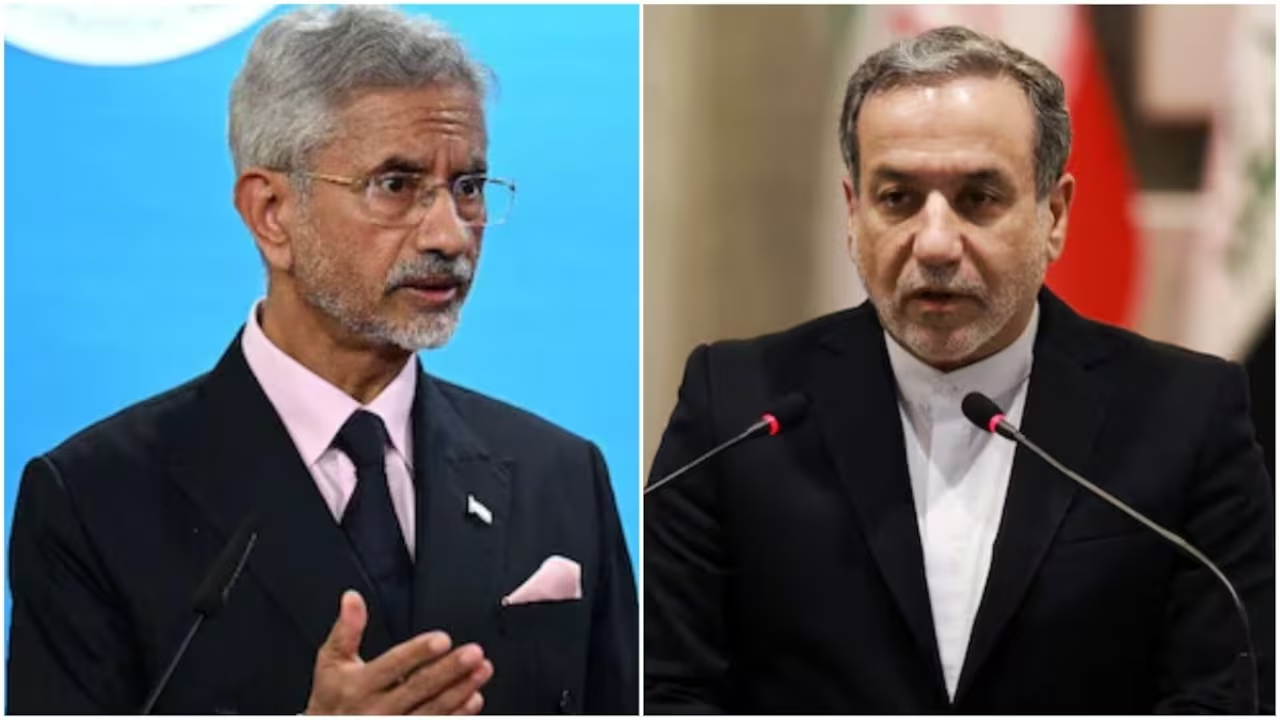
Indian reporting reflected both Tehran’s assurances on shipping safety and its sharp political warnings, even as New Delhi focuses on practical measures to keep energy and people moving.
More on India

SWISS Flight LX 147 Aborts Delhi Takeoff After Engine Fire, Injuring Six
16 sources compared

Ben Stokes Recovers After Major Facial Injury From Cricket Ball Impact
10 sources compared

Pakistan Deploys Fighter Jets to Saudi Arabia While Mediating US-Iran Talks
17 sources compared

Darts Regulation Authority Bans Transgender Women From Women’s Tournaments
10 sources compared