Pakistan14 April, 20262 min read
Pakistan Deploys Fighter Jets to Saudi Arabia While Mediating US-Iran Talks
This article is an automated aggregation of coverage from news outlets. Our editorials offer in-depth analysis curated by the NewsCord team.
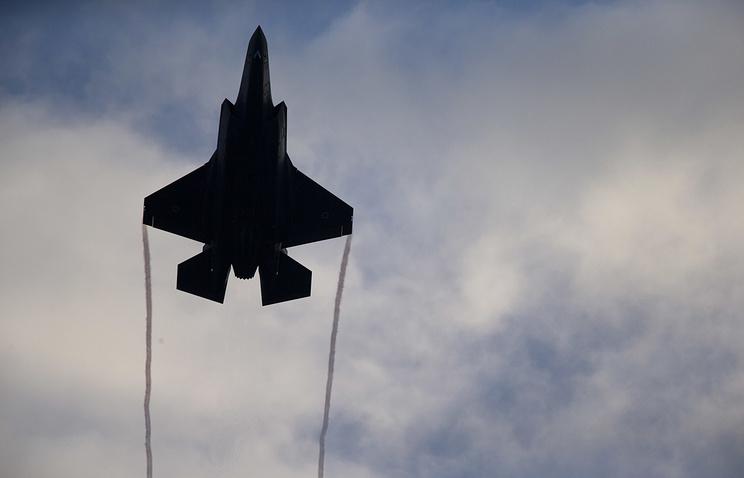
Pakistani fighter jets arrived in Saudi Arabia under a mutual defence pact. The deployment occurred as Pakistan mediates US-Iran talks.

Pakistan's Dual Role
Pakistan simultaneously mediates between the United States and Iran while deploying military forces to Saudi Arabia under a Strategic Mutual Defence Agreement.
On April 11, Prime Minister Shehbaz Sharif met with U.S. Vice President JD Vance for the highest-level direct negotiations between Washington and Tehran since 1979.
Saudi Arabia announced the arrival of Pakistani military forces at King Abdulaziz Air Base, including fighter and support aircraft.
The deployment transformed a previously symbolic defence agreement into the first operational test of a new Gulf security architecture.
Pakistani officials remained silent about the deployment, with no official statement from the military or Ministry of Foreign Affairs.
Strategic Implications
The deployment places Pakistani military assets beside Saudi Arabia's most exposed oil infrastructure in the Eastern Province. The presence of Pakistani aircraft introduces a new deterrence variable involving a second regional military power with nuclear capabilities. The deployment included between 10 and 18 aircraft, possibly including JF-17 Block III fighters.
Saudi officials referred to a broader contingent of approximately 13,000 Pakistani personnel. The deployment extends beyond aviation into force protection, logistics, and command integration.

Diplomatic Tightrope
Pakistan's government has made no official statement about the deployment. The SMDA commits Pakistan to militarily assist a key ally that was repeatedly hit by Iran before the ceasefire. A Pakistani official told Al Jazeera that Islamabad remains committed to facilitating the process for as many rounds as required.
Sharif is expected to travel to Saudi Arabia in the coming days. The United Nations Secretary-General praised the role played by Egypt, Pakistan, Saudi Arabia, and Turkey in bringing closer viewpoints between the United States and Iran.
Economic and Political Dimensions
The Pakistan-Saudi relationship spans defence, diplomacy, and finance. Sharif expressed appreciation for Riyadh's longstanding economic and financial support. Analysts note that the SMDA is also a strategic tool for Islamabad to leverage its position with Iran.
The deployment demonstrates the Saudi-Pakistan security axis is evolving into a potentially decisive operational partnership. Domestic factors further constrain decision making, with 15-20% of Pakistan’s population being Shiite Muslims.