Sports27 March, 20262 min read
Editorial Team Provided No Article Text; Platform Cannot Generate Headline
Man United midfielder Manuel Ugarte received two yellow cards vs England. The second yellow was overturned, so he remained on the pitch.
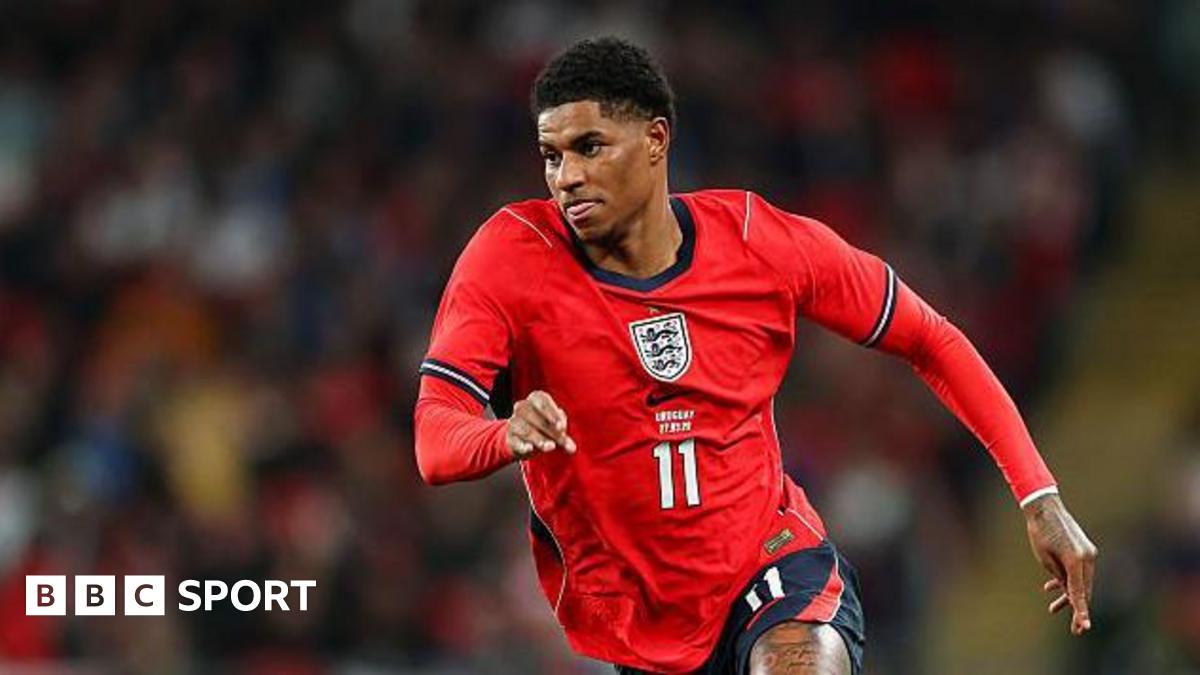
Ugarte second yellow rescinded
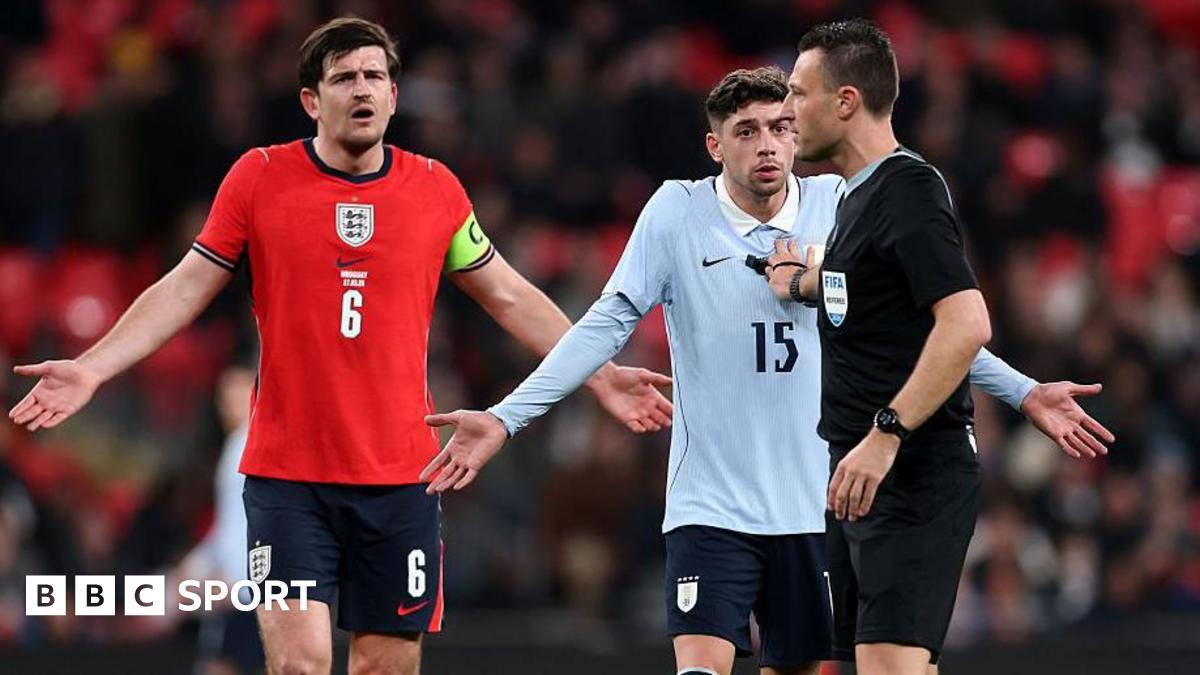
The single most important new development from Wembley is that Manuel Ugarte's second yellow was rescinded, allowing him to stay on the pitch as England pressed for a late winner. News outlets describe this as a rare officiating reversal that sparked immediate questions about real-time discipline decisions.
“Manuel Ugarte received two yellow cards against England on Friday night, but escaped a red card in unusual circumstances.”
BBC framed it as the night’s most confusing moment, noting the double booking and reversal. This incident immediately drew attention to how second-yellow incidents are handled in high-tension friendlies ahead of the World Cup.
Officiating sequence and VAR context
The on-field sequence showed Ugarte’s first yellow in the 70th minute for a foul on Cole Palmer, followed by a second yellow minutes from the end. Then, according to reports from the fourth official, the second yellow was rescinded, leaving him on.
Analysts highlighted that the episode exposed inconsistencies in how cards are communicated to players and to the public. Meanwhile, VAR policy discussions around second-yellow decisions were already evolving ahead of the World Cup.
Policy tweaks and demands
Several outlets note that the International Football Association Board had already updated VAR powers for the World Cup. One change allows review of red cards arising from clearly incorrect second-yellow awards.
“The International Football Association Board has adjusted the powers of the video assistant referee, with new powers to be in place for the World Cup.”
Another underlines the ongoing debate about how double bookings should be tracked and communicated. Finally, observers call for clearer, real-time clarifications to avoid the confusion that accompanied Wembley.
Consequences for teams
Uruguay’s players and fans will point to the incident as evidence of a tilted officiating environment, while England’s fringe players used the night to audition for World Cup spots. Ben White’s late goal and subsequent stoppage-time penalty contributed to a controversial finish that fed into the broader debate about officiating.
Some coverage highlighted the clash between Uruguay’s reputation and the pace of the match, describing the visitors as unpredictable. The outcome underscored the need for more decisive officiating in friendlies that function as World Cup dress rehearsals.