
Britain · 20 May, 2026 · 4 min read
EHRC Orders Single-Sex Toilets Excluding Trans Men And Women In England, Wales, Scotland
EHRC's updated guidance mandates single-sex toilets and changing rooms based on biological sex. Guidance follows the Supreme Court ruling defining sex by biological criteria under the Equality Act.
Whether guidance is portrayed as rights-protecting vs discrimination.
6 of 7 outlets skipped it: j.K. Rowling proposed photographing restroom users..
13outlets compared
Same story, two versions
tap a side to read it in full
PinkNews
“Trans people can be barred from gendered spaces in EHRC’s updated draft code”Read the original ↗
Belfast Telegraph
“ensures the protection of ‘people’s rights across our country’”Read the original ↗
Same rule is framed as enforcement of rights or as harmful exclusion.
EHRC draft code laid
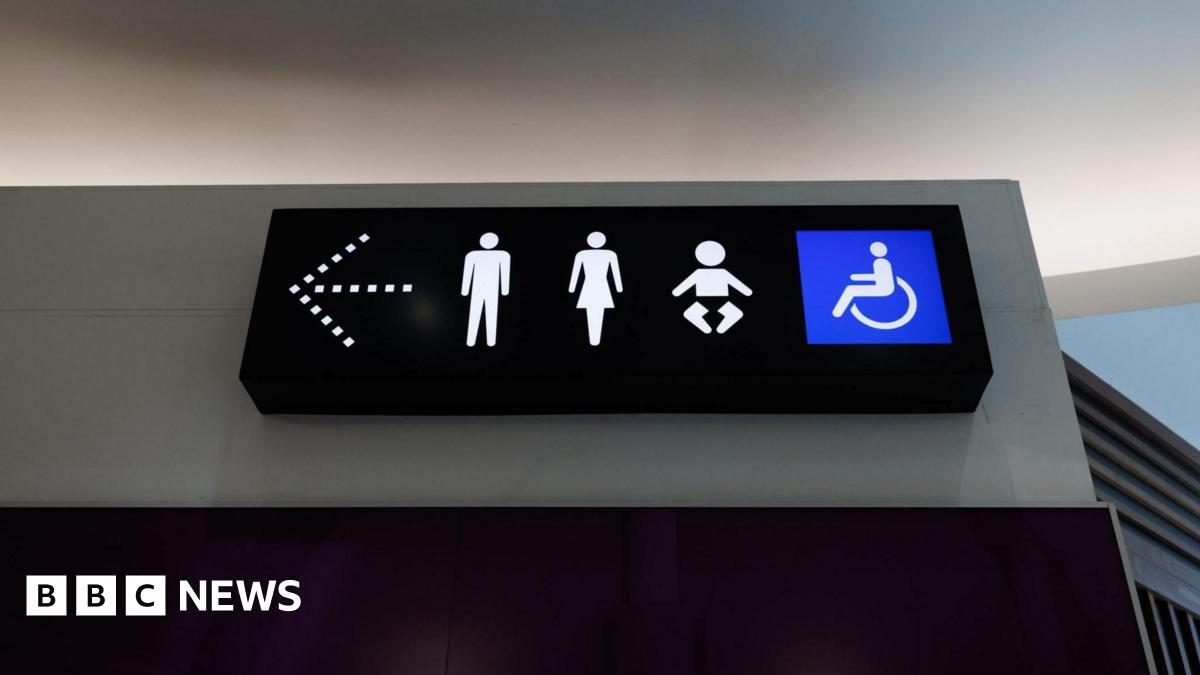
The Equality and Human Rights Commission (EHRC) says single-sex toilets and changing rooms in England, Wales and Scotland must exclude transgender men and women, while also requiring practical alternatives such as gender-neutral toilets for people who do not wish to use services for their biological sex. The EHRC guidance is tied to April 2025’s landmark supreme court ruling that sex in the Equality Act refers only to biological sex, and it warns that if a service provider admits a trans person to a service that aligns to their lived gender, that service can no longer be described as single sex and the provider is “very likely” to be at risk of legal challenge. EHRC chair Mary-Ann Stephenson said: “The supreme court was very clear … if you are providing separate toilets for women and men, that has to be on the basis of biological sex.”
The draft code, which remains in draft form, was laid before parliament by the equalities minister Bridget Phillipson, with MPs given 40 days to consider it before a final order and it comes into force across England, Scotland and Wales. In the same guidance, the EHRC says that in healthcare where mixed-sex accommodation is not available, trans patients must be accommodated on the single-sex ward that accords with their biological sex, while it also says it would not be proportionate to exclude a trans man from obstetrics and gynaecology outpatient services based on objections of female patients.
Phillipson, Stonewall, and critics
Bridget Phillipson told parliament that the Equality Act enshrines rights so that people can live free from discrimination and harassment, and she said: “Our focus has always been making sure organisations have clear, accessible guidance on how to implement the law.” The draft code’s approach to single-sex services is described in the guidance as excluding trans people from the opposite-sex facilities, with the National Scot quoting it as: “a trans man will be excluded from the men-only service because his sex is female, and a trans woman will be excluded from the women-only service because her sex is male.” Stonewall responded that the updated code was published by the Government and said: “Many trans+ people have already experienced the damaging impact of policies designed to exclude them and, for far too long, have been at the heart of a toxic culture war.”
The Trans+ Solidarity Alliance director Alexandra Parmar-Yee called the guidance “a section 28 moment for this Labour government” and said it was “worryingly similar to a US bathroom ban condemned by the UK Foreign Office in 2016.” For Women Scotland, the gender-critical campaign group that brought the original case to the supreme court, co-founder Susan Smith said the guidance was “a significant milestone in ensuring women’s rights are upheld and protected across the UK” and argued there was “no reason for public bodies and organisations to evade their responsibilities to women.”
What changes, what’s at risk
The EHRC draft code says single-sex or separate-sex services cannot be defined as such if organisations allow women and trans women, or men and trans men to use them, and it also states that if a service “admits trans people to a service intended for the opposite sex”, then it no longer counts as a single-sex space. For toilets, the guidance says it is “very unlikely to be proportionate to put a trans person in a position where there is no service that they are allowed to use,” and it describes providing toilets in individual lockable rooms with handbasins as an option for people of either sex. The code also addresses sport, saying trans people “should not be included in single-sex or separate-sex competitions for the sex with which they identify,” while it gives an example that a woman who participates may be able to bring a claim for indirect sex discrimination due to a provider’s decision to include trans women.
The Guardian reports that the government’s equality impact assessment acknowledges the likely impact on transgender people is “negative”, while also highlighting mitigating factors like the ability of services to create “third-space” provision. The guidance further warns that if a service provider admits a trans person to a service that aligns to their lived gender, it is “very likely” to be at risk of legal challenge, and it frames the supreme court ruling as requiring biological sex for separate toilets for women and men.