Europe23 March, 20263 min read
Emmanuel Grégoire wins Paris mayoralty as France completes second municipal round.
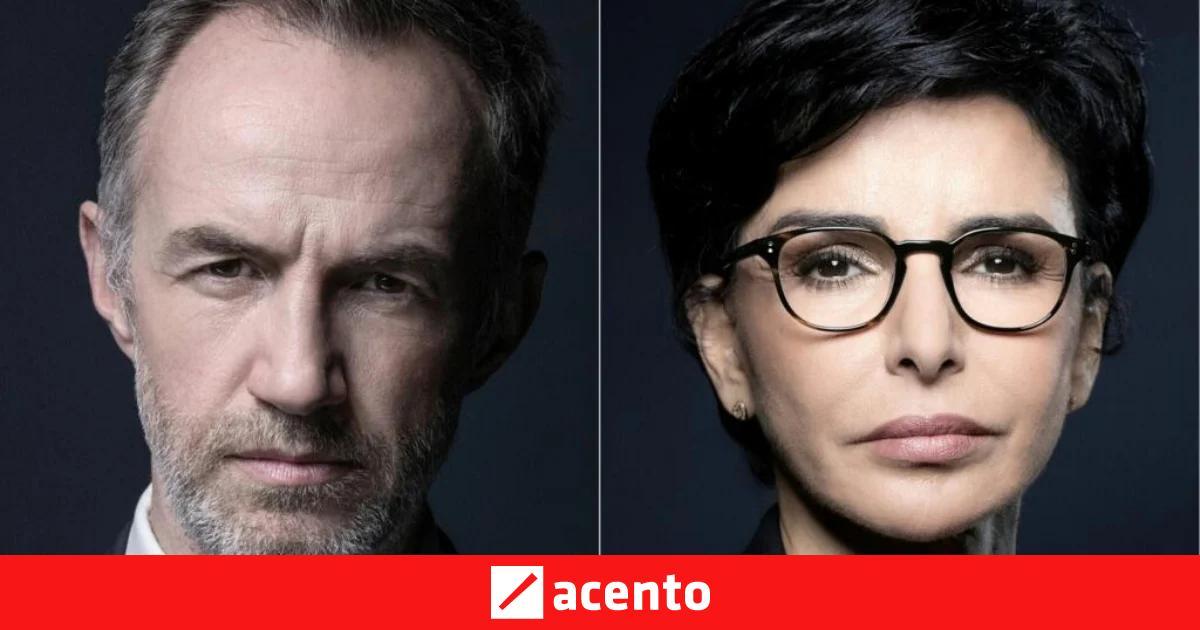
Emmanuel Grégoire wins Paris mayoralty, succeeding Anne Hidalgo. Grégoire defeats conservative Rachida Dati in the runoff.
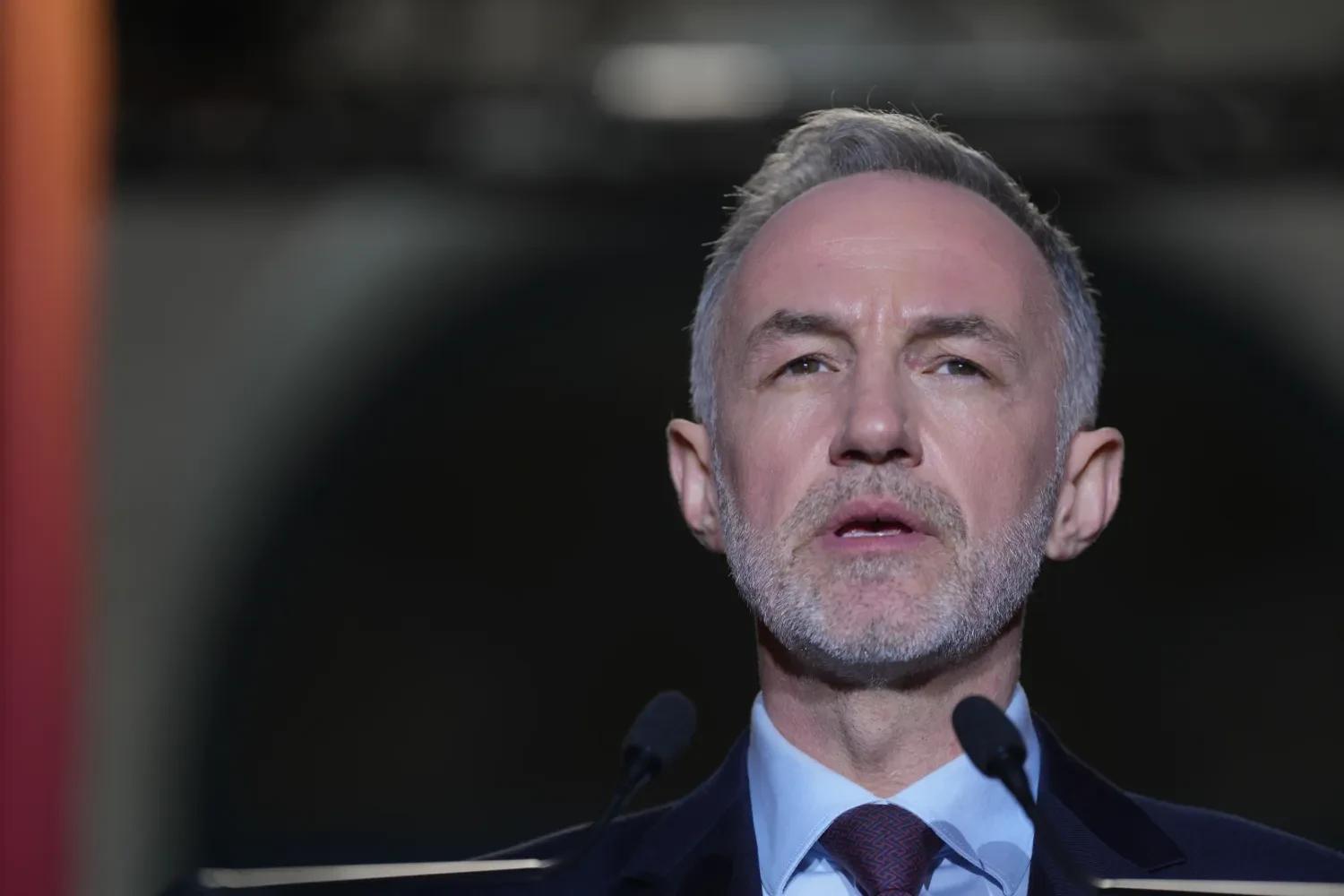
Left Victory in Paris
Emmanuel Grégoire secured a decisive victory in the Paris mayoral race, defeating conservative rival Rachida Dati. The result extends the left's 25-year control over the French capital. The municipal elections served as a crucial barometer for France's political landscape ahead of the 2027 presidential race.
“Grégoire, who led a list uniting the traditional left, the Greens and the Communists, claimed victory after estimates based on partial results placed him well ahead of conservative rival Rachida Dati, who acknowledged defeat.”
Voters in about 1,500 communes participated in the final round of the elections. Grégoire led a coalition uniting the traditional left, Greens, and Communists. He claimed victory with estimates ranging from 50-53% of the vote.

The result represented a clear rejection of the far-right influence that had backed Dati's candidacy. Grégoire declared 'tonight is the victory of a certain vision of Paris: a vibrant Paris, a progressive Paris'. He celebrated by riding a bicycle through the streets to City Hall.
Mixed Far-Right Results
The election results revealed significant political dynamics across France. The far right achieved a major victory in Nice while facing setbacks in other key cities. Eric Ciotti, a former conservative who allied with Marine Le Pen's National Rally, won resoundingly in Nice.
Nice is France's fifth-largest city on the French Riviera. However, the far right failed to capture Marseille, France's second-largest city. Incumbent left-wing Mayor Benoît Payan defeated National Rally candidate Franck Allisio in Marseille.
Similar defeats occurred in southern cities like Nîmes and Toulon. These cities had been key targets for the National Rally.
National Rally president Jordan Bardella claimed the party achieved 'the greatest breakthrough in their history'. He highlighted victories in smaller towns and councilor elections nationwide.
Mayoral Transition Details
Grégoire's victory carries significant weight as both a continuation of Paris's progressive legacy. It presents challenges for the incoming mayor who inherits substantial responsibilities. The 48-year-old former National Assembly member had served as Anne Hidalgo's main deputy from 2018 until 2024.
“The left-wing candidate is on track to win 53.1 percent of votes in Sunday's mayoral election runoff, per Ipsos's initial estimate based on a partial vote count. His conservative adversary Rachida Dati is projected to come in second with 38 percent, while the hard-left candidate Sophia Chikirou is expected to come in third with 8.9 percent.”
He won a seat in parliament before returning to run for mayor. Their relationship had been marked by tensions and eventual reconciliation. Grégoire defeated Dati by approximately 9-12 percentage points depending on the polling source.
His left-wing coalition achieved 53.1% according to Ipsos estimates. Dati secured 38%, and hard-left candidate Sophia Chikirou finished third with 8.9%. Outgoing mayor Hidalgo had led Paris through the 2015 extremist attacks and the 2024 Paris Olympics.
She chose not to seek a third term. She handed over a transformed city with fewer cars, more pedestrian space, and reduced pollution. The city also carries an estimated €10 billion public debt.
National Context
The municipal elections occurred against a backdrop of international tensions. Domestic political realignments were also prominent. Turnout reached just over 48% in metropolitan areas.
This surpassed 2020 pandemic levels but remained below 2014 figures. Voter participation reflected broader concerns about France's role in global conflicts. One voter Elena Van Langhenhoven noted, 'We have war in Ukraine, war in Gaza, war in the Middle East.'

She expressed concern about potential shifts in next year's presidential elections. The elections highlighted strategic alliances and withdrawals. Far-right candidate Sarah Knafo withdrew to consolidate anti-left voting.
Center-right former Prime Minister Édouard Philippe won clearly in Le Havre. This victory strengthens his political standing as a potential presidential contender.
Macron's centrist movement achieved one major result in Bordeaux. Candidate Thomas Cazenave won there, though the party generally kept a low profile.
2027 Presidential Implications
Grégoire's victory sets the stage for the 2027 presidential election. It highlights persistent challenges within French politics. The new mayor emphasized that 'starting tomorrow, our country enters its next democratic challenge: the 2027 presidential election.'
“'Starting tomorrow, our country enters its next democratic challenge: the 2027 presidential election,' Grégoire said.”
He positioned himself as a standard-bearer for progressive values. This was against rising far-right influence. Despite the left's success in Paris, electoral outcomes showed a complex political landscape.

Traditional parties regained ground while the far right made incremental progress locally. Socialist Party chief Olivier Faure hailed the wins in Paris and Marseille. He positioned his party as a bulwark against the far right.
Faure stated 'Only the left can prevent France from this regression.' The results revealed ongoing tensions within the left.
This was particularly around La France Insoumise's controversial alliances. Challenges of maintaining progressive momentum across different regions were evident.