Emmanuel Gregoire Wins Paris Mayor Race, Securing Socialist Victory
Key Takeaways
- Emmanuel Grégoire won Paris mayoral race, defeating Rachida Dati in runoff.
- The victory keeps Paris under Socialist control, succeeding Anne Hidalgo.
- Left wins in Paris and Marseille; far-right gains in other towns.
Socialist Victory in Paris
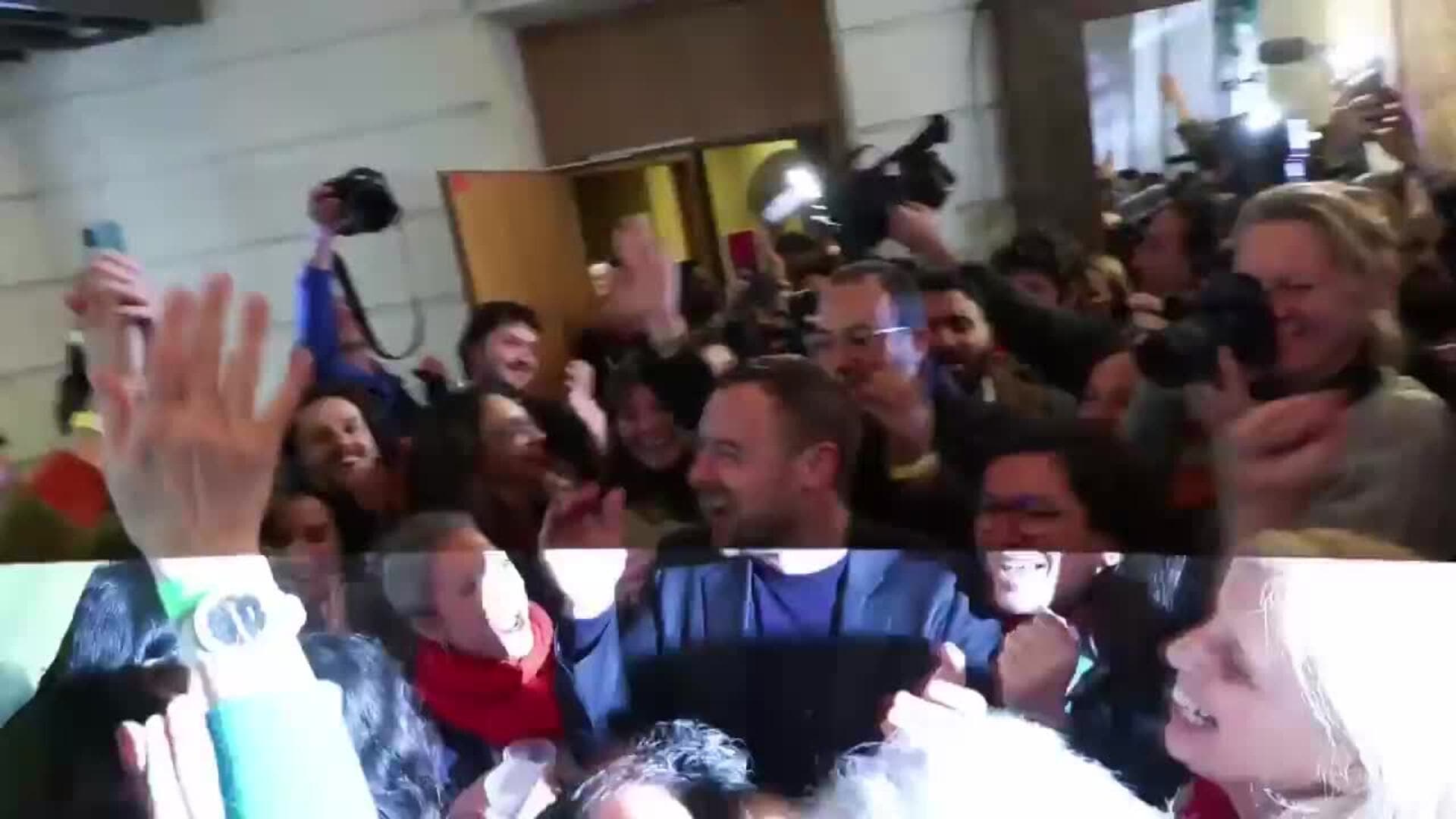
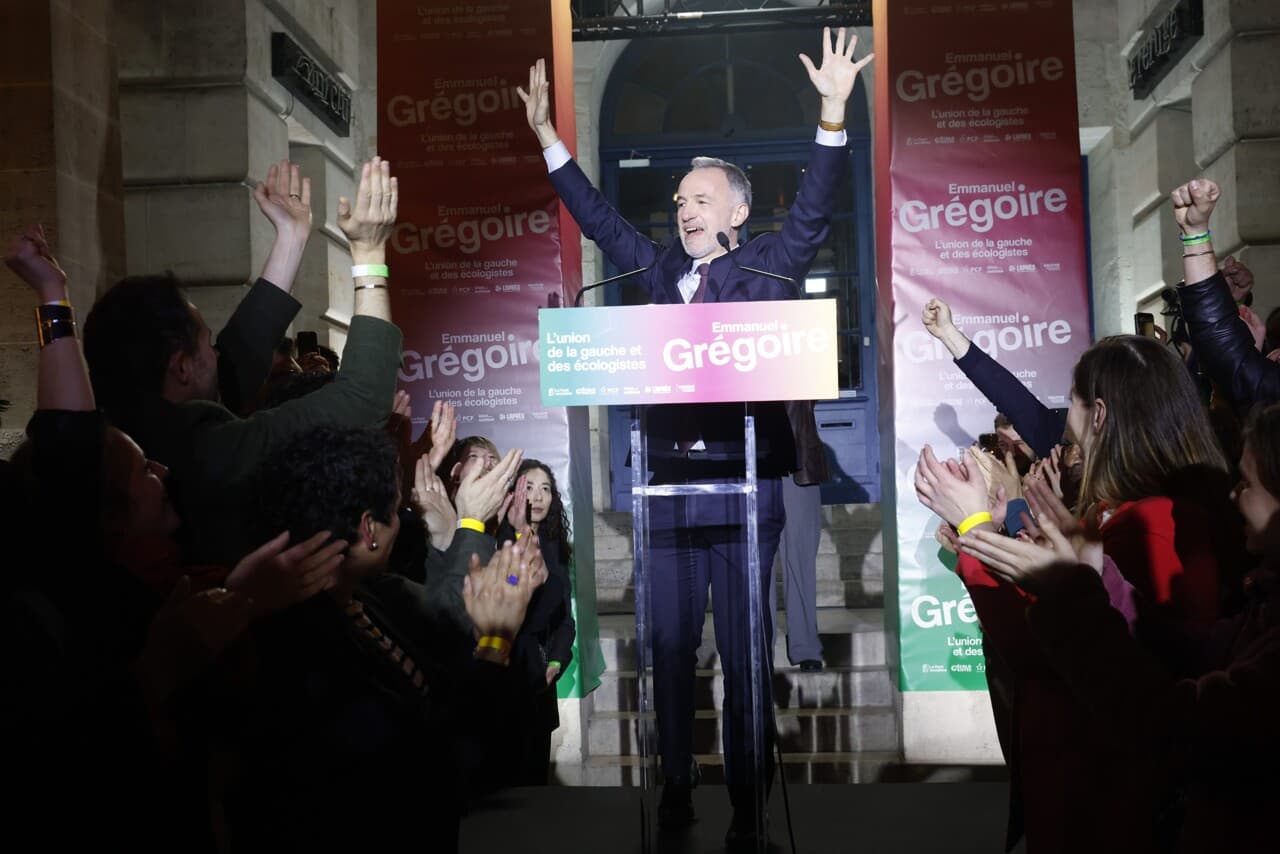
Emmanuel Grégoire secured a decisive victory in the Paris mayoral race on March 22, 2026, defeating conservative rival Rachida Dati.
“The income tax return simulator is now available”
The 48-year-old Socialist candidate had previously served as first deputy to outgoing mayor Anne Hidalgo.
He claimed victory with an estimated 51-53% of the vote according to multiple polling agencies.
This outcome represents a significant political statement as Paris emerges as a stronghold against the rising far-right tide in French politics.
Grégoire positioned the capital as a bastion of progressive values and resistance against right-wing alliances.
Election Results Breakdown
The election results revealed a clear three-way race in Paris with Grégoire securing approximately 50-53% of the vote.
Dati received around 38-41%, and La France Insoumise candidate Sophia Chikirou obtaining about 8-10%.
The fragmented left landscape created challenges for Grégoire, who rejected a proposed alliance with Chikirou.
Grégoire's united left list—comprising the Socialist Party, Greens, and Communists—proved victorious.
The victory margin was significant enough that Dati conceded defeat early, acknowledging the clear preference of Parisians for continued leftist governance.
Political Significance for Socialists
Grégoire's victory carries profound significance for the Socialist Party, which has been weakened nationally but finds renewed strength in controlling France's most important cities.
““These results are a failure of the Socialist Party leadership’s approach,” declared former president François Hollande”
The Paris mayor-elect emphasized the capital's role as 'the heart of the resistance against this alliance of the right, which seeks to take away what we hold most precious and fragile: the simple joy of living together.'
This framing positions Paris as a counterweight to the political forces gaining momentum elsewhere in France.
The Socialist Party's ability to hold onto major urban centers like Paris and Marseille provides hope for the traditional left heading into the 2027 presidential election.
Party leader Olivier Faure acknowledged the need for strategic reflection and criticized the left's 'radical rupture rhetoric' that has alienated some voters.
National Election Context
The broader municipal elections across France revealed a complex political landscape where the far right achieved significant gains at the local level but failed to capture the major urban prizes they had targeted.
While Marine Le Pen's National Rally secured victories in smaller towns and succeeded in Nice through ally Éric Ciotti, the party suffered defeats in key cities like Marseille, Toulon, and Nîmes.

RN chief Jordan Bardella nevertheless claimed the results represented 'the biggest breakthrough in its entire history,' noting the party had won dozens of local constituencies where it previously had no presence.
These municipal elections serve as an important indicator of political trends ahead of the 2027 presidential race.
Traditional parties found reason for hope in their ability to block far-right advances in major urban centers while the far right demonstrates growing influence in smaller municipalities and regional politics.
Grégoire's Background and Challenges
Grégoire brings to the Paris mayoralty extensive experience from his nearly six years as Anne Hidalgo's first deputy, where he played strategic roles in budget, urban planning, and public policy transformation.
“Some linked Sunday’s vote to a darker international backdrop and to the presidential race looming next year”
His political trajectory reflects a generation of administrators who have built careers in public service.
He inherits a city transformed by two decades of progressive governance—characterized by fewer cars, more pedestrian spaces, reduced pollution, and substantial investment in social housing.
However, the incoming mayor also faces significant challenges, including managing a public debt of at least €10 billion and addressing controversies such as the pedocriminality scandal in Parisian nurseries.
Grégoire has positioned himself as a continuation of Hidalgo's legacy while promising to imprint his own stamp through his 'Paris on a grand scale' proposal to rethink governance and integrate the peripheries into administrative management.
Political Reactions and Future
The municipal elections have elicited diverse reactions across the French political spectrum, with each party interpreting the results through their own lens.
Former Prime Minister Edouard Philippe, re-elected mayor of Le Havre, expressed optimism about beating extremism, stating 'there were reasons to be hopeful' in French values.
President Macron's centrist movement achieved limited success but highlighted victories in Bordeaux and Annecy as positive signs.
La France Insoumise, despite not winning Paris, claimed progress through victories in cities like Saint-Denis and Roubaix, with spokesperson Manuel Bompard celebrating a 'wave of eviction' of several outgoing socialist or ecologist mayors.
The elections have further fragmented the political landscape, with traditional left-right alliances giving way to more complex configurations that will influence the upcoming 2027 presidential campaign.
More on Europe

Ryanair Flight From Thessaloniki Returns After Boeing 737-800 Window Dislodges, Passenger Partly Sucked Out
14 sources compared

Hellenic Air Force F-16 Makes Emergency Landing at Zakynthos Airport After Technical Fault
11 sources compared
Recep Tayyip Erdogan Gifts Personalized Revolvers With Live Rounds to NATO Leaders in Ankara
39 sources compared
Trump Threatens To Cut Off Trade With Spain At NATO Summit In Turkey
17 sources compared