
Meloni Concedes Defeat After Voters Reject Judicial Reform
Key Takeaways
- About 54% voted No, rejecting Meloni's judicial reform.
- Meloni conceded defeat and said she will not resign.
- Setback for Meloni's government ahead of national elections.
Referendum Results
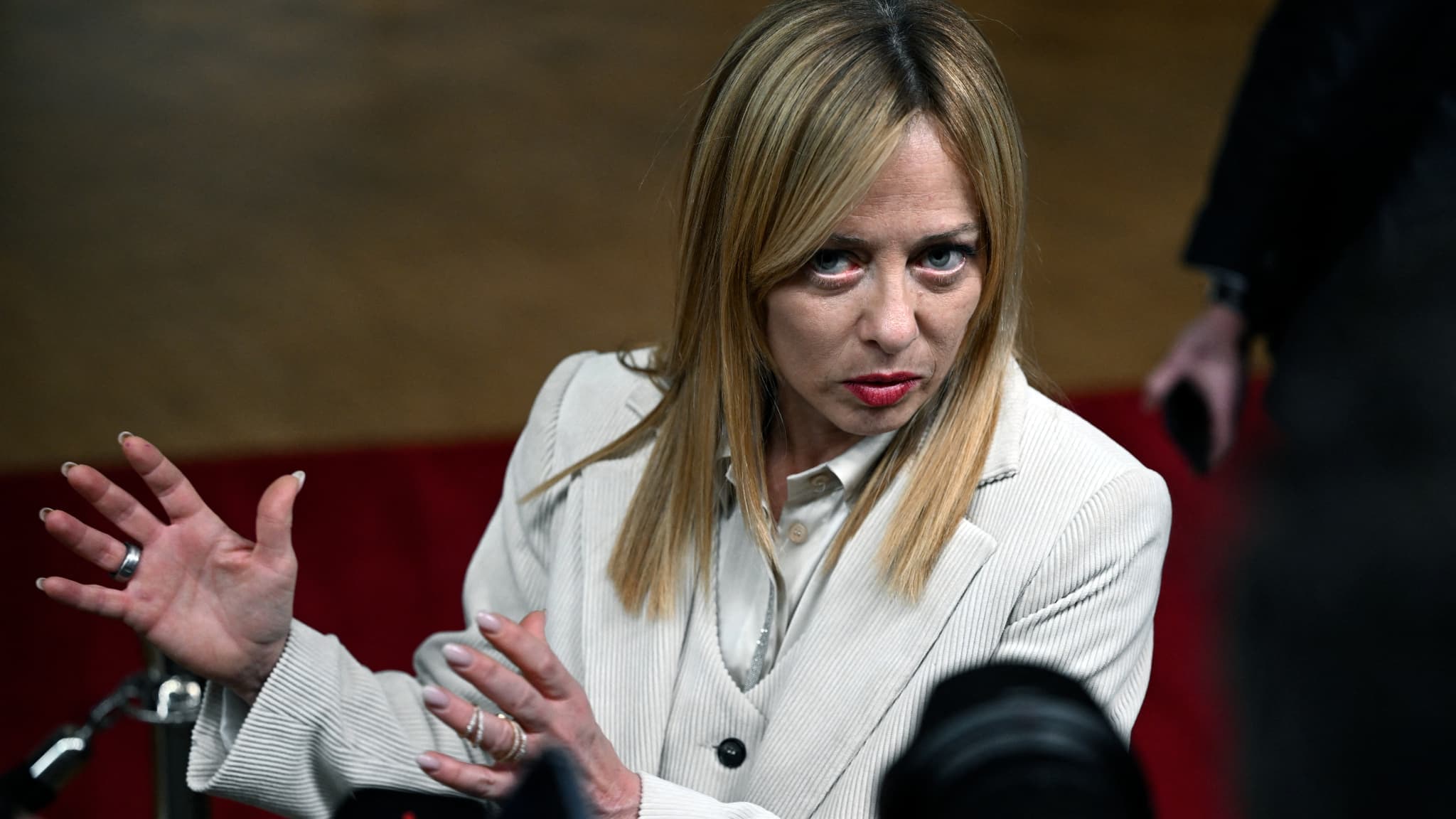
Italian Prime Minister Giorgia Meloni conceded defeat after voters overwhelmingly rejected her judicial reform referendum on March 23, 2026, with the "No" camp securing 54% of the vote against 46% for the government's "Yes" camp, according to Interior Ministry data and multiple network projections.
“Italian voters reject judicial reform in a setback for Premier Giorgia Meloni Italian voters reject judicial reform in a setback for Premier Giorgia Meloni ROME (AP) — Italian voters on Monday rejected a judicial reform backed by conservative Premier Giorgia Meloni, delivering a stinging setback to the right-wing government one year ahead of national elections”
In a video posted on social media, Meloni acknowledged the voters' decision while lamenting what she described as a "missed opportunity to modernize Italy," but firmly ruled out resigning following the defeat.
The result represents a significant setback for Meloni, who had invested considerable political capital in the referendum campaign during recent weeks as polls tightened, despite initially trying not to link her political fortunes directly to the judicial changes.
Political Context
The referendum defeat marks the first major political setback for Meloni, who has led an unusually stable coalition government since October 2022, and follows a pattern where national referendums have previously toppled Italian leaders even when proposing technical changes.
Unlike Matteo Renzi, who resigned hours after voters rejected constitutional changes he had tied to his political survival in 2016, Meloni has categorically refused to step down, stating that "the referendum would have no impact on the fate of the government."
The UK's David Cameron also didn't survive his decision to allow a national vote on Brexit, highlighting the political risks of referendums.
Meloni's party leader Galeazzo Bignami emphasized that the government would continue working with "responsibility, determination, and respect for Italy and its people," despite the defeat.
Reform Details
The rejected reform, which would have required amending Italy's Constitution, aimed to separate the careers of judges and prosecutors and fundamentally restructure the Supreme Council of the Magistracy (CSM), the body that oversees all magistrates.
“Italian Judicial Reform Rebuffed: A Turning Point for Meloni Italian voters rejected a judicial reform backed by Prime Minister Giorgia Meloni”
The CSM changes were particularly controversial, as the reform would have divided it into two separate councils (one for judges, one for prosecutors) and created a new disciplinary court with members appointed by the President of the Republic, drawn by lot from Parliament, and selected through lottery from among judges and prosecutors.
While the Meloni government argued these changes were essential to guarantee judicial impartiality by eliminating potential biases in the system against defendants, the magistrates' union and opposition parties maintained the reform would have eroded judicial autonomy and given Meloni de facto control over the judiciary.
Voter Demographics
The referendum revealed stark demographic divisions, with young voters decisively rejecting the reform by 61% to 39% among those aged 18-34, while the 35-54 bracket was also narrowly against the change (53:47), and only the oldest voters (55+) were split essentially in half with a slight advantage for the "yes" side (51:49).
Political party loyalty was evident as well, with 88.8% of Meloni's Fratelli d'Italia voters and more than 80% of Lega and Forza Italia voters backing the reform, while as many as 90% of Democratic Party voters and 87% of Five Star Movement supporters rejected the proposal.

Unexpectedly high turnout of nearly 60% - much higher than anticipated - reflected the contentious nature of the campaign that revealed "deep, mutual animosity between the right-wing coalition and Italy's judiciary," with the atmosphere described as "ill-tempered."
Political Implications
The defeat leaves Meloni politically vulnerable as she faces parliamentary elections next year, potentially stripping her of the aura of being "a winner in the eyes of the Italian electorate after four years of victories in local and national polls."
“Quick Summary Exit polls from ballots held March 22–23 indicate Italy’s PM Giorgia Meloni narrowly lost the judicial reform referendum, with the “No” camp slightly ahead amid unexpectedly high turnout”
The result is expected to re-energize Italy's fragmented center-left opposition, providing the Democratic Party and 5-Star Movement with "the impetus to forge a broad alliance to take on Meloni and her allies."
Had the referendum succeeded, victory would have likely emboldened Meloni to press ahead with other significant constitutional changes, such as making the post of prime minister directly elected, but the rejection leaves her weakened domestically as she grapples with a stagnant economy and complex international headwinds, including Italian dislike for her ally U.S. President Donald Trump and fears that the U.S.-Israeli war on Iran will drive up already high domestic power prices.
More on Europe

Golob's Freedom Movement Narrowly Leads Jansa in Slovenian Election.
30 sources compared

Emmanuel Gregoire Wins Paris Mayor Race, Securing Socialist Victory
35 sources compared

Russian intelligence-linked hackers target Signal users, accessing thousands of accounts
10 sources compared

Emmanuel Grégoire wins Paris mayoralty as France completes second municipal round.
30 sources compared