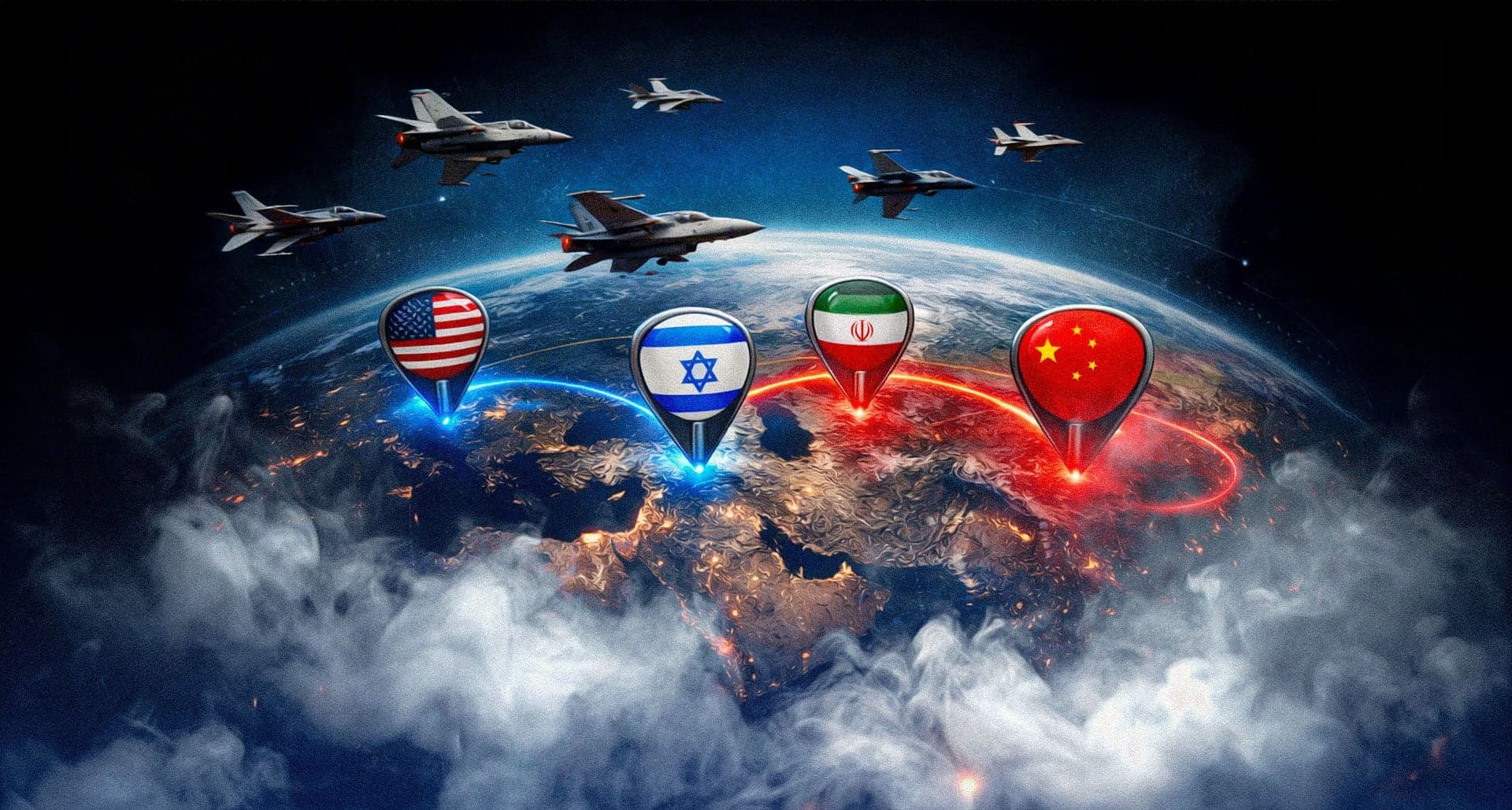
Enemies, Frenemies, or Allies? A Guide to Middle East Relationships
Key Takeaways
- The Middle East is not a unified bloc
- Shared fears of Iran aligned Israel and several Gulf states covertly
- Iran’s missiles striking Gulf states collapsed years of cautious Gulf–Tehran diplomacy
Regional Overview
The Middle East is not a unified bloc: as the Iranian regime attempts to widen the 2026 war by launching attacks beyond Israel, including strikes on the United Arab Emirates and other Gulf states, relationships across the region have shifted into a web of rivalries, temporary partnerships, and uneasy coexistence shaped by ideology, religion, economics, and competing security concerns.
“Key Takeaways: - The Middle East is not a unified bloc: Shared fears of Iran have quietly aligned Israel and several Gulf states, even as political sensitivities keep that cooperation partly out of view”
Observers abroad often imagine Israel standing alone against a unified Arab world, but the reality is more complicated and fluid.
Key takeaways the article highlights are that shared fears of Iran have quietly aligned Israel and several Gulf states, Iran’s war has pulled the Gulf in, and the United States remains the region’s security backbone.
Israel–Gulf Relations
Israel and the Gulf states have moved from outright rejection to quiet cooperation driven by mutual concern about Tehran: the Abraham Accords, brokered during U.S. President Donald Trump’s first administration, normalized relations between Israel and the UAE and Bahrain and expanded cooperation in technology, trade, and security.
The UAE and Bahrain maintain full diplomatic ties and open cooperation with Israel, Saudi Arabia expanded security and intelligence coordination without formal normalization, and Kuwait remains resistant to formal ties.
Qatar pursues a balancing act by hosting the largest American military base in the region and maintaining discreet communication channels with Israel while serving as Hamas’s primary diplomatic patron and providing financial lifelines and political sanctuary to its leadership, a dual-track policy the article calls diplomatically agile and politically contentious.
Gulf–Iran Escalation
Gulf ties with Iran moved from cautious engagement and tentative diplomacy to open rupture after major strikes: the Saudi-Iran diplomatic thaw brokered by China in 2023 and other pragmatic channels aimed at economic stability and Vision 2030-style reforms, but joint US-Israeli strikes last year significantly degraded Iran’s defenses and nuclear program and Iran’s brutal response has not been directed only at Israel.
“Key Takeaways: - The Middle East is not a unified bloc: Shared fears of Iran have quietly aligned Israel and several Gulf states, even as political sensitivities keep that cooperation partly out of view”
The article reports that Iran fired more ballistic missiles and drones at its Gulf neighbors than at Israel, striking US military assets, energy infrastructure, and civilian areas across Bahrain, Kuwait, Qatar, Saudi Arabia, Oman, and the UAE, and that the decapitation strikes killed Ayatollah Ali Khamenei within the first hours of the war.
Gulf leaders have closed ranks in reaction— the UAE closed its embassy in Tehran and recalled its ambassador—while still preferring a weakened and contained Iran over a shattered state.
Syria, U.S. Role, Implications
The conflict reshaped other regional relationships and underlined continued U.S. centrality: the fall of Bashar al-Assad’s regime in December 2024 led Gulf states to engage Syria’s new leadership under transitional president Ahmed al-Sharaa, better known as Abu Mohammad al-Jolani, with Saudi Arabia and Qatar pledging reconstruction funds and Saudi Arabia confirming a $2 billion investment in early 2026.
Reconstruction deals include a three-way agreement between Chevron, Qatar’s Power International Holding, and the Syrian government to develop Syria’s first offshore oil and gas field, and Gulf investment aims to reduce Tehran’s influence in the Levant.
Despite outreach to China and Russia, the article emphasizes that when missiles are incoming Gulf monarchies still depend on American military power—Patriot batteries, naval assets, air power, and US bases—and that the broader picture is a rapidly shifting regional order where neutrality is rarely an option for long.
More on Iran
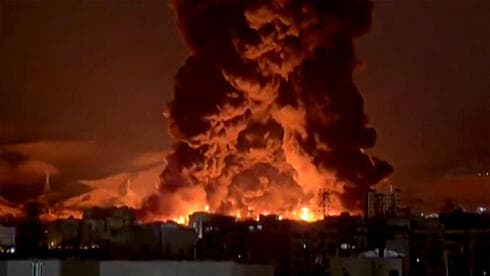
Trump Says U.S. Bombed Military Sites on Kharg Island, Iran's Oil Hub
14 sources compared
FBI Warns of Iranian Drone Plot Based on Unverified Tip; California Says No Credible Threat
10 sources compared

White House Demands ABC Retract Report Claiming Iran Sought To Launch Drone Attacks On California
11 sources compared

Iranian Proxy Claims It Shot Down US Refueling Plane in Iraq; US Military Says Otherwise
17 sources compared