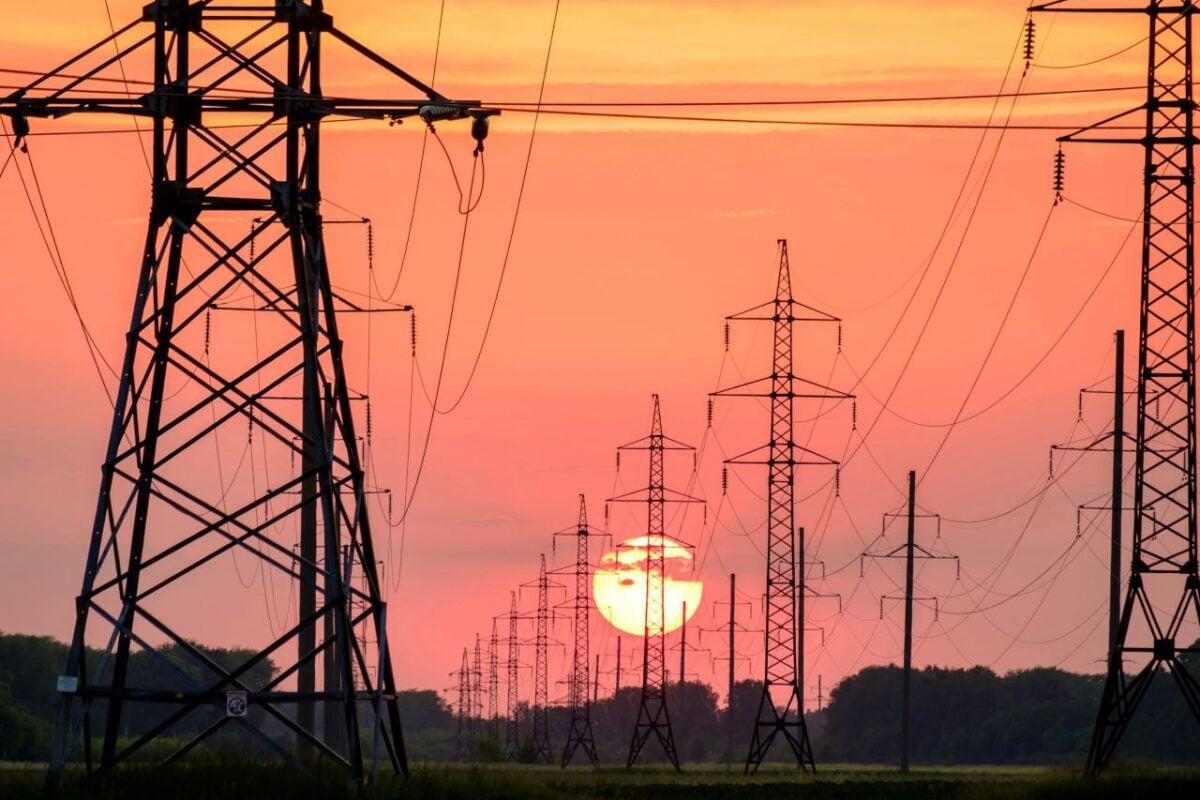
ENTSO-E Expert Panel Releases Final Iberian Blackout Report
Key Takeaways
- Systemic failures in voltage control, reactive power management, and regulatory frameworks caused the outage.
- April 28, 2025, Iberian Peninsula blackout affected Spain and Portugal.
- Final ENTSO-E report cites many interacting factors behind the Iberian blackout.
Blackout Overview
The ENTSO-E Expert Panel has released its comprehensive 472-page final report on the catastrophic Iberian Peninsula blackout that occurred on April 28, 2025.
“Roughly a year ago, Spain and Portugal went dark when the electrical grid of the entire Iberian Peninsula failed”
The report provides unprecedented technical analysis of one of Europe's most severe power grid failures in two decades.
The blackout affected over 50 million people in Spain and Portugal.
The investigation was conducted by a 49-member expert panel drawn from regulators and grid operators across Europe.
The report concludes that the massive blackout was not caused by a single failure but rather by multiple interacting system weaknesses.
The final analysis offers both explanations for the collapse and concrete recommendations to prevent recurrence.
Technical Timeline
The technical analysis reveals that the blackout unfolded with terrifying speed over a 90-second period.
The blackout began with unusual power system oscillations that ultimately destabilized the entire Iberian grid.
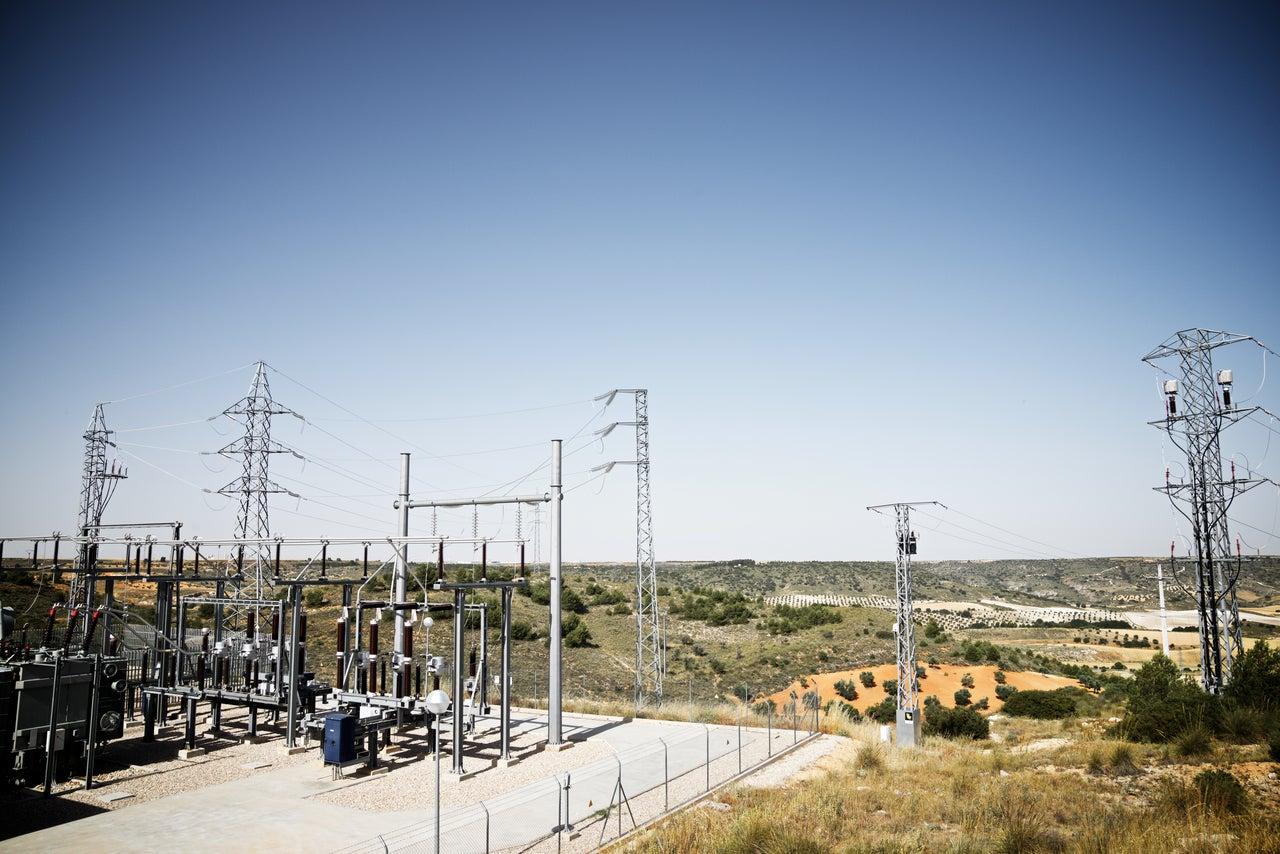
The morning of April 28 started normally with solar and wind generation within seasonal ranges.
Two critical episodes of oscillations occurred in the half hour before total collapse.
The first episode between 12:03 p.m. and 12:08 p.m. was a converter-driven forced oscillation at 0.63 Hz.
The second episode from 12:19 p.m. to 12:22 p.m. was a classic inter-area oscillation at 0.2 Hz.
Transmission system operators implemented measures to dampen these oscillations, but had unintended consequences.
These interventions pushed voltages higher in the Iberian system, setting the stage for catastrophic failure.
Data Analysis
The investigation benefited from an unprecedented level of data access.
“From pv magazine Spain A 440-page report published Friday by an Entso-E expert group has identified systemic failures in voltage control, reactive power management, and regulatory frameworks as the root causes of the blackout that cut power to mainland Spain and Portugal on April 28, 2025”
The expert committee could reconstruct the sequence of events with remarkable precision.
The committee had access to status logs from most major hardware on Spanish and Portuguese grids.
Data was often recorded with sub-second precision.
Investigators obtained data from interchanges between Spanish grid and France/Morocco.
Performance data from rooftop solar inverter manufacturers was also collected.
This allowed comparison of actual hardware behavior against expected grid operational rules.
The panel tracked behavior of all major facilities during critical hours leading to blackout.
Recommendations
The final report presents 23 comprehensive recommendations aimed at enhancing grid resilience.
Thirteen recommendations directly address the root causes of the April 2025 blackout.
Recommendations focus on voltage control and reactive power management.
Oscillatory stability improvements are also emphasized.
Generation disconnection behavior modifications are addressed.
The panel emphasizes that solutions are already technologically deployable.
Most recommendations can be implemented by grid operators without major technological breakthroughs.
The recommendations target improving system defence mechanisms and restoration processes.
Implementation Progress
Significant progress has already been made in implementing the report's recommendations.
“Roughly a year ago, Spain and Portugal went dark when the electrical grid of the entire Iberian Peninsula failed”
The Spanish government has taken proactive measures to strengthen grid resilience.
Energy storage growth has been boosted as part of the response.
Key implemented changes include the update to Operational Procedure 7.4.
This procedure now allows renewables to contribute to voltage control.
The procedural update was completed on March 17, 2026.
Trade bodies have highlighted the importance of this implementation.
The rapid response demonstrates high priority placed on grid security.
More on Europe

Volkswagen Seeks to Convert Osnabrück Plant to Make Iron Dome Components If Workers Opt In
21 sources compared

Frederiksen seeks to stay as Denmark's prime minister after election amid Social Democrats' decline
13 sources compared
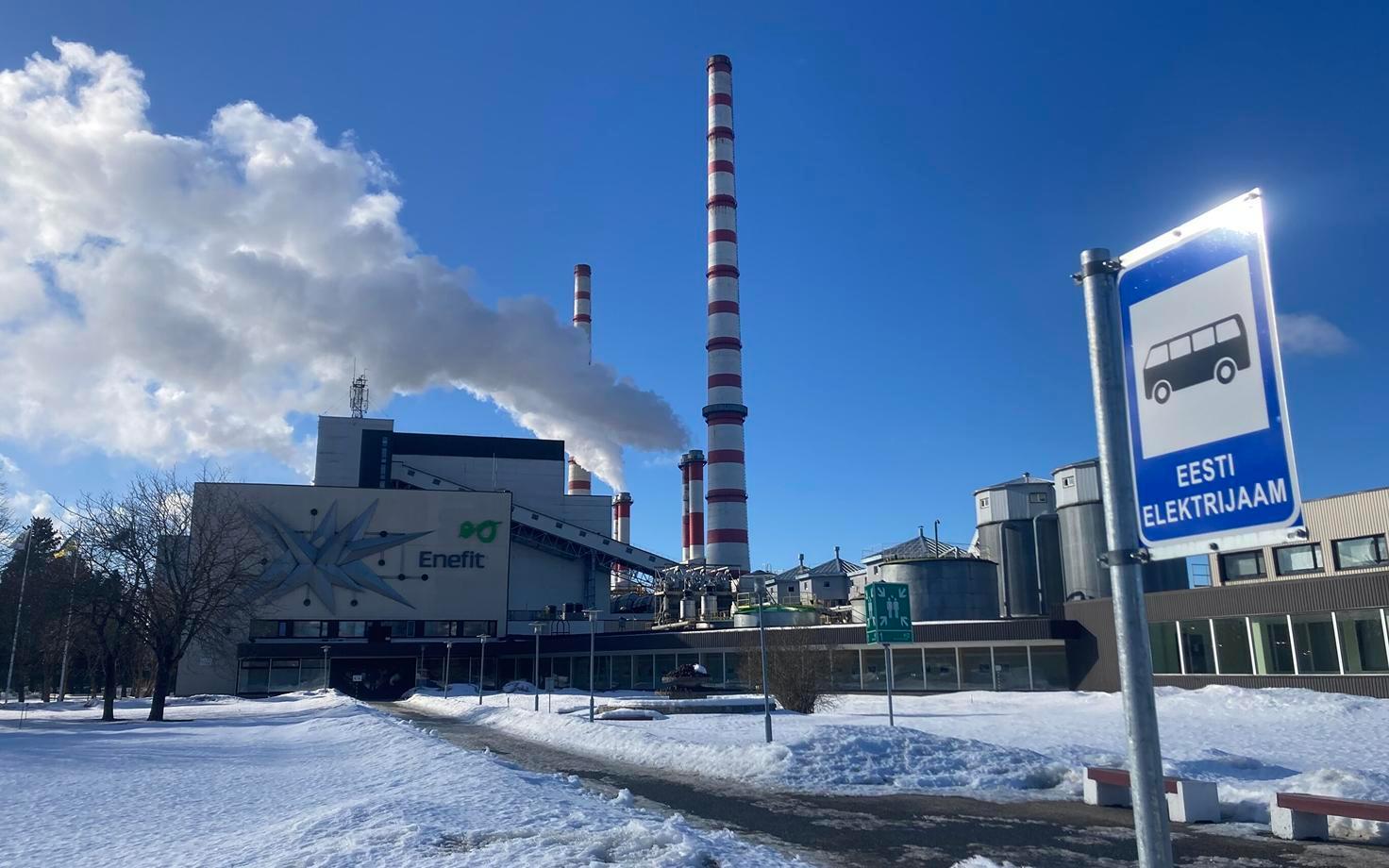
Drones from Russia Enter Estonia and Latvia; One Hits Power Station Chimney, Crashes in Latvia
31 sources compared
Rasmussen's Moderates Decide Whether Mette Frederiksen Forms Government
66 sources compared