Technology and Science02 April, 20261 min read
EPA Moves to Regulate Microplastics, Pharmaceuticals in Drinking Water
This article is an automated aggregation of coverage from news outlets. Our editorials offer in-depth analysis curated by the NewsCord team.
EPA proposes including microplastics and pharmaceuticals on drinking-water contaminants draft list for potential regulation. This move could lead to formal limits on microplastics and pharmaceuticals in water.
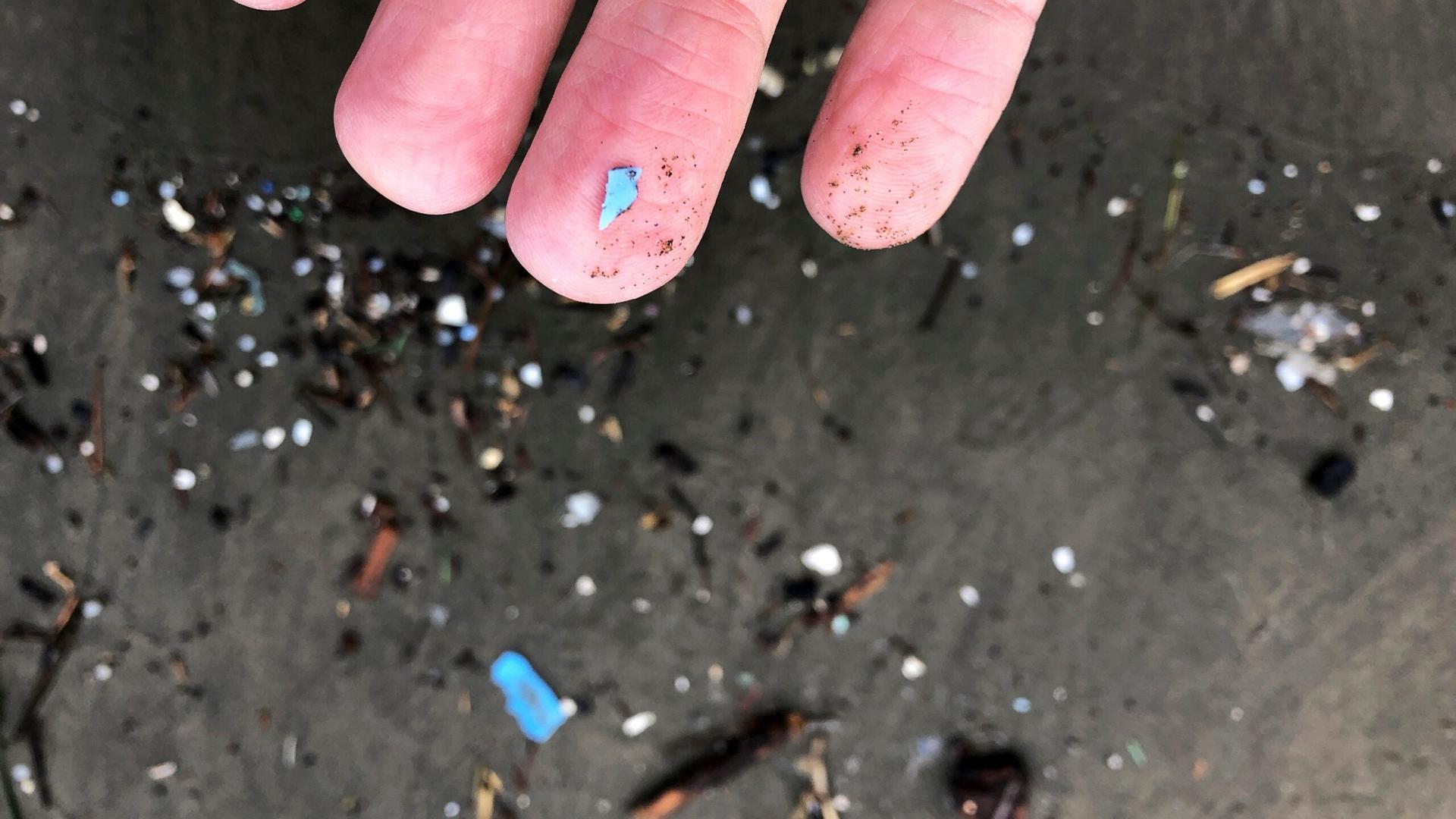
EPA Adds Microplastics to Contaminant List
The EPA announced it will add microplastics and pharmaceuticals to its Contaminant Candidate List. This marks the first time microplastics are considered for drinking water regulation at the federal level. The inclusion does not require immediate regulation but prioritizes these substances for further study.
MAHA Movement Influences EPA
The move is widely seen as a win for the MAHA movement. Seven governors and 175 environmental groups had filed a petition calling for microplastics to be added. Environmental advocates remain skeptical, calling the announcement theater.
STOMP Initiative to Measure Microplastics
The HHS is launching the STOMP initiative backed by $144 million. STOMP aims to develop affordable 15-minute tests to measure microplastics exposure in the human body. Early research has linked microplastics to potential health risks though data remains inconclusive.
EPA Promises Action Despite Challenges
The EPA's list includes 75 individual chemicals and nine microbes. The agency will open a 60-day public comment period. The announcement has bipartisan support but comes amid criticism of the administration's approach.