Esmaeil Baghaei Rejects Calls To Limit Iran’s Defensive Capabilities After U.S.-PGCC Statement
Key Takeaways
- Baghaei: Iran's defense capabilities essential to national security, non-negotiable.
- Baghaei rejects limits on defense in response to U.S.-PGCC joint statement.
- Iranian defense capabilities are a red line that cannot be negotiated.
Iran rejects defense limits
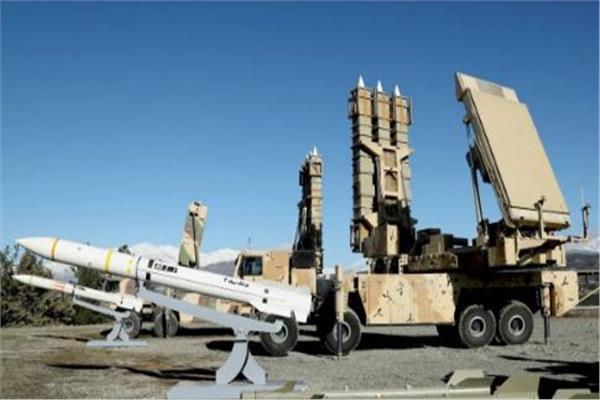
Iran’s Foreign Ministry spokesperson Esmaeil Baghaei rejected calls to limit the country’s defensive capabilities, saying Tehran’s military assets are not open to negotiation or compromise with any party.
“Iran’s Foreign Ministry spokesman Esmaeil Baghaei says the country's defense capabilities are essential to its national security and cannot be the subject of negotiations or compromise, dismissing a joint “meddlesome” statement issued by the United States and the Persian Gulf Cooperation Council (GCC)”
Speaking on Friday, Baghaei responded to a joint statement issued by the United States and the Persian Gulf Cooperation Council (PGCC) foreign ministers after their June 25, 2026 meeting, describing it as “a distortion of reality” and a repetition of failed policies.
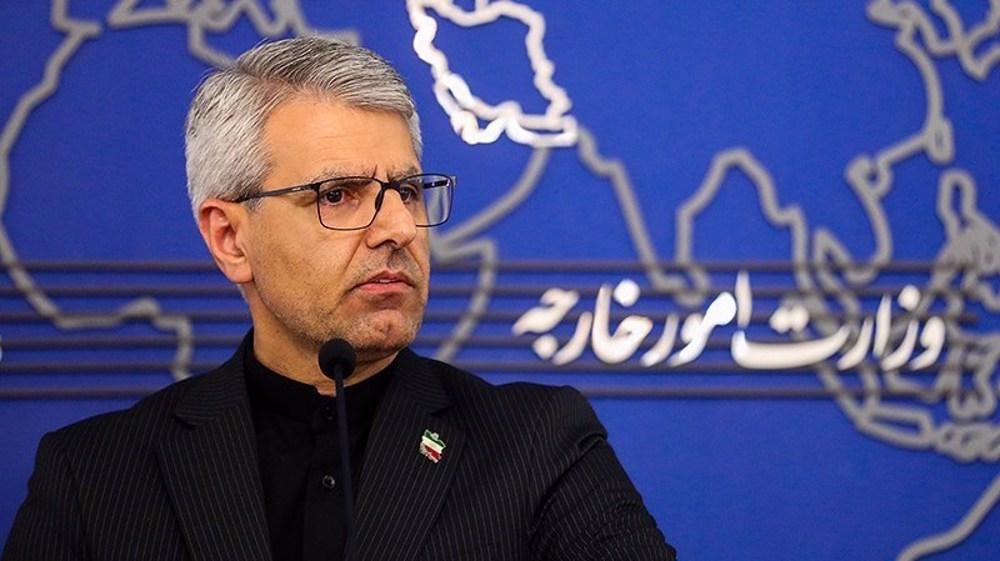
Baghaei argued that Iran has a greater stake in regional collective security than any other country, and he said relying on what he described as the region’s primary source of insecurity would do nothing to enhance stability.
In a separate post on X, Baghaei said Iran’s military capabilities serve as a guarantee of the nation’s inherent right to self-defense against aggression while also contributing to regional peace and stability, adding, “National security and dignity are not negotiable and cannot be made conditional.”
Threats, Strait of Hormuz
Brigadier General Reza Talaei-Nik, a spokesman for Iran’s Defense Ministry, rejected U.S. President Donald Trump’s claims about destroying Iran’s defensive capabilities, telling Al-Masirah that “Trump does not stop lying and rambling about eliminating our defensive capabilities.”
Talaei-Nik said “a large portion of Iran's capabilities and military potential remains unused,” and he added that “America's prestige has fallen at the hands of our forces.”

Ibrahim Razai, the spokesman for the National Security and Foreign Policy Committee in Iran’s Islamic Consultative Assembly, said Iran would respond to any attack with “a harsher response,” and he said the country is prepared for all scenarios.
Razai also warned that “Americans must either submit to diplomacy and our terms, or face our missile power,” and he said the history of the Strait of Hormuz will not return to what it was before, adding that “no power will be able to reopen it without our consent.”
Deterrence and regional stakes
A European Centre for Counter-Terrorism and Intelligence (ECCI) study on the UAE described Iran’s threat as evolving over the past two decades, saying Tehran’s policy of threatening regional security has made “attacking targets far beyond its borders” a hallmark of its advanced defensive strategy.
“Tehran: Spokesman for the Iranian Defense Ministry Brigadier General Reza Talaei-Nik rejected U”
The study said Iran possesses diverse aerial capabilities, including cruise missiles, ballistic missiles, and unmanned aerial vehicles, and it cited American intelligence analysts saying Iran has the largest stockpile of ballistic missiles in the Middle East.
It also described a May 17, 2026 attack on the UAE’s Barakah nuclear power plant, quoting International Atomic Energy Agency Director General Rafael Grossi as saying, “The drone attack on the Barakah nuclear power plant in the UAE exposed nuclear safety to grave danger.”
The same study said Iran targeted a national UAE-flagged ADNOC tanker using two drones while transiting the Strait of Hormuz in May 2026, and it quoted Eurasia Group analyst Gregory Brew on June 4, 2026 saying, “Iran has demonstrated the capability to close the Strait and keep it closed.”
More on Iran

Iran Launches 4,000 Projectiles Against Gulf Cooperation Council States After June 17 U.S.-Iran MOU
12 sources compared
U.S. Strikes Iran After Drone Attack on Cargo Ship in Strait of Hormuz
32 sources compared

U.S. Strikes Iran After Trump Accuses Tehran of Ceasefire Violation in Strait of Hormuz
22 sources compared

Oman Warns Allies Ships Through Strait Of Hormuz May Face Transit Fees
12 sources compared