Lebanon · 10 May, 2026 · 3 min read
EU Crisis Chief Hadja Lahbib Says Israeli Activity Restricts Humanitarian Aid Access in Lebanon
Lahbib calls for increased humanitarian access to south Lebanon; aid is ready but blocked. Israeli military restrictions hinder aid access despite a ceasefire.
Who/what is primarily blocking humanitarian aid south of the Litani.
11 of 12 outlets skipped it: EU allocation package totals 458 million euros regionwide.
12outlets compared
Same story, two versions
tap a side to read it in full
Oman Observer
“South of the Litani River, access is still severely restricted due to evacuation orders and Israeli military activity.”Read the original ↗
RTE.ie
“Under the terms of the ceasefire, Israel reserves the right to act against "planned, imminent or ongoing attacks".”Read the original ↗
Frames differ between humanitarian-access obstruction versus military/legal justification.
Aid blocked by strikes
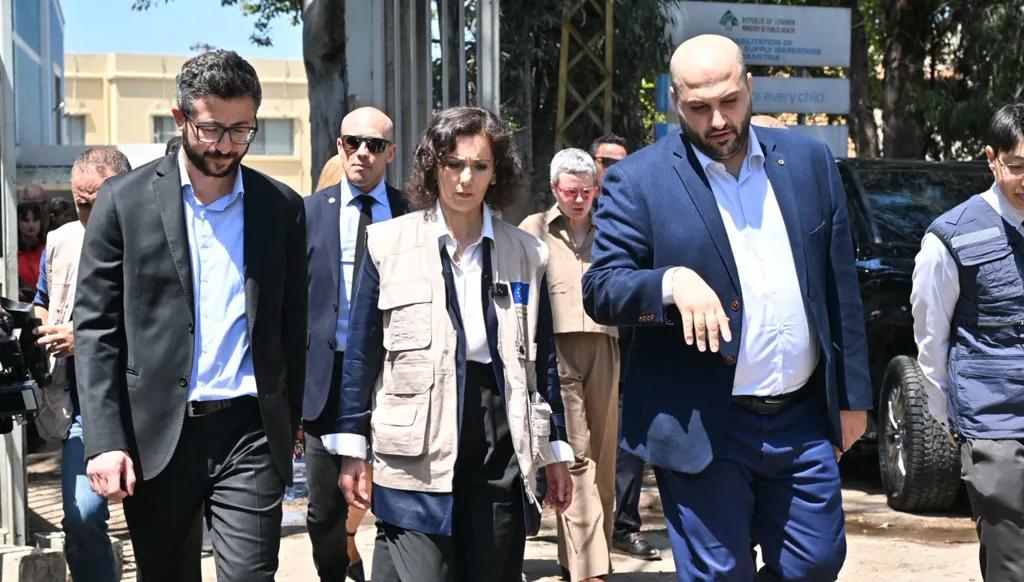
European Union crisis management chief Hadja Lahbib urged continued humanitarian aid access in Lebanon, saying she visited from Friday to Saturday and that “Humanitarian aid is ready, but too often it cannot reach those who need it most.” Lahbib said that in areas south of the Litani River, humanitarian aid entry remains strictly restricted and obstructed due to ongoing Israeli military activity and the destruction of key infrastructure, including bridges over the river. She added that in areas north of the Litani River restrictions have eased but remain insufficient, and she stressed that “Aid cannot save lives if it cannot reach people.”
The EU official said the restrictions affect 55 villages within the so-called “Yellow Line,” where ongoing military operations and evacuation orders are preventing aid from reaching the most vulnerable populations. She also said the EU allocated approximately €100 million in new humanitarian aid to Lebanon since the conflict began and dispatched six aircraft loaded with relief supplies, with a seventh scheduled to arrive in the coming days.
Strikes continue despite truce
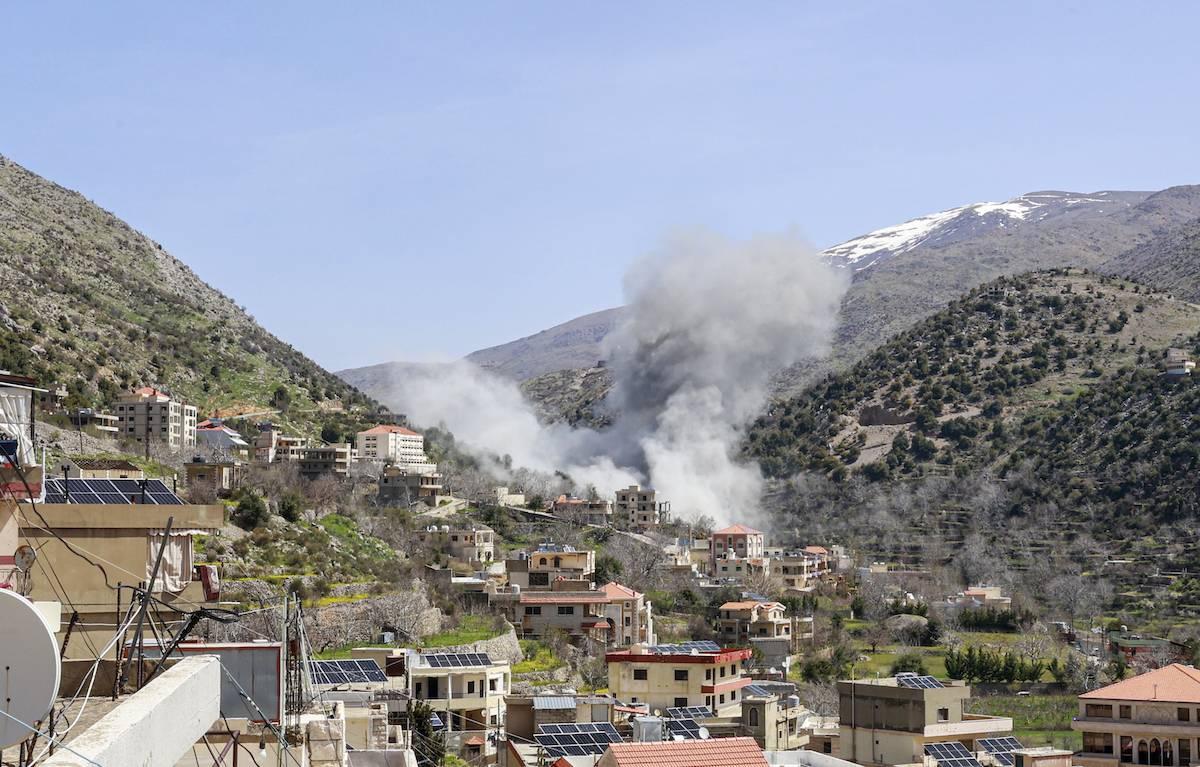
Lebanese official media reported an Israeli strike outside Beirut on Saturday moments after it reported two strikes on the highway linking the capital to the country’s south, with the state-run National News Agency saying the strike hit the Chouf district around 20 kilometres (12 miles) south of Beirut. The health ministry said an Israeli strike on a motorbike in the town of Nabatieh outside the evacuation areas hit “a Syrian national and his 12-year-old daughter,” and it described how a drone attacked a second time after the pair moved away and then targeted the girl “directly for a third time.” RTE.ie reported that Israel carried out strikes across Lebanon killing at least eight people in the south, and it said the health ministry reported a raid on Saksakiyeh “resulted in an initial toll of seven martyrs, including a girl, and 15 wounded, including three children.”R
Hezbollah said it targeted northern Israel with drones in response to continued strikes, while the Israeli military said “several” explosive drones were launched into Israeli territory, with one army reservist severely wounded and two others moderately injured. The reporting also tied the violence to the ceasefire that has been in effect since April 17, while Israel issued evacuation warnings to residents of nine villages and said it would act “forcefully” against Hezbollah after its “violation of the ceasefire agreement.”
Humanitarian stakes and next steps
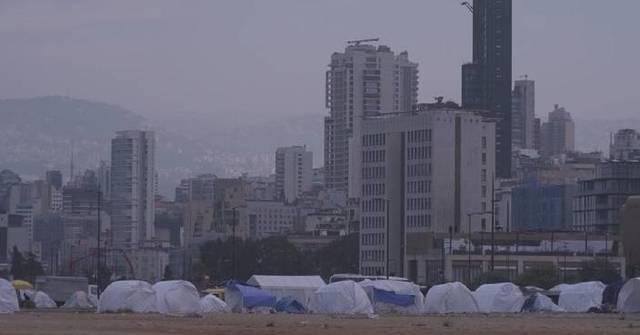
Lahbib warned that even with some constraints eased north of the Litani, access remained “still not enough,” and she said “We need humanitarian access in full respect of international humanitarian law.” The EU official said that since the start of the war the European Union had announced some 100 million euros in new humanitarian support for Lebanon and had sent six planes carrying aid, with a seventh due to arrive in the coming days. The New Region reported that Lahbib told reporters after meeting Lebanese President Joseph Aoun in Beirut that “more than three million people, meaning more than half of the population here in Lebanon, depend on humanitarian aid to survive.”
It also said Lebanese authorities reported that more than 2,700 people had been killed since March 2 and more than one million people had been displaced, while the Integrated Food Security Phase Classification report said 1.2 million people in Lebanon face acute hunger due to war. With Israel and Lebanon scheduled to meet in Washington next week for a third round of talks, Lahbib’s warnings framed the immediate stakes as continued reliance on aid amid ongoing restrictions and attacks despite the ceasefire.