
Germany's defense minister rebuffs Trump's demand to send ships through Strait of Hormuz
Key Takeaways
- Germany's defense minister rejects Trump's call to deploy ships, says 'not our war'.
- Germany skeptical about expanding EU Aspides to the Strait of Hormuz.
- EU ministers weigh strengthening Aspides but unlikely to deploy to Hormuz immediately.
Trump's Demands Rejected
U.S. President Trump has intensified pressure on allies, particularly those in NATO, to provide military support in securing the vital Strait of Hormuz shipping route.
“The Security Media Cell added that the rocket launch platform was found hidden inside a vehicle in an area west of the capital and seized”
The strait has been effectively closed by Iran for the past two weeks in response to the U.S.-Israeli war on Tehran.
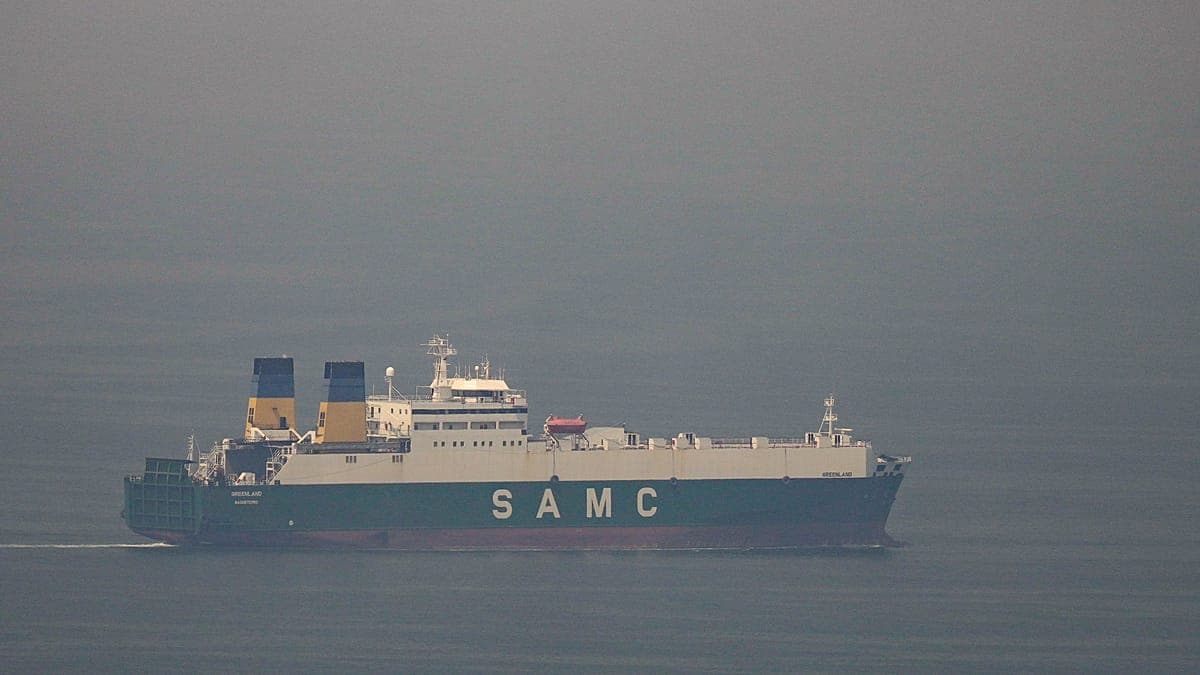
Iran has used missiles, drones, and mines to attack oil tankers attempting to traverse the waterway, causing significant disruption.
Germany has categorically rejected these demands, with Defense Minister Boris Pistorius bluntly stating 'this is not our war' during a press conference in Berlin.
Pistorius questioned what he described as a handful of European frigates could accomplish in the strait that the powerful U.S. Navy cannot handle directly.
German Skepticism Deepens
German Foreign Minister Johann Wadephul has reinforced his country's firm position by explicitly ruling out any participation in a Strait of Hormuz security mission.
He expressed deep skepticism about the effectiveness of expanding the European Union's existing naval operations in the region.

In an interview with Germany's ARD television, Wadephul stated 'Will we soon be an active part of this conflict? No,'
He emphasized that while Europe provides constructive support for securing sea routes, he sees 'neither an immediate necessity nor above all Germany participating.'
Wadephul questioned the strategic value of extending the EU's Aspides naval mission from the Red Sea to the Strait of Hormuz, calling the current operation 'not effective'.
EU Diplomatic Response
The European Union is preparing to address the escalating tensions around the Strait of Hormuz through diplomatic channels.
“EU foreign ministers will meet Monday to discuss strengthening their naval mission protecting ships from Houthi attacks in the Red Sea”
EU foreign ministers are scheduled to meet Monday in Brussels to discuss strengthening their naval mission protecting ships from regional conflicts.
The EU's existing Aspides naval mission, launched in 2024, currently operates with Italian and Greek vessels under direct command.
French and additional Italian ships provide backup support to safeguard commercial vessels from attacks in the Red Sea.
However, diplomatic sources indicate that while ministers will consider strengthening the mission's operations, they are unlikely to make any immediate decision to extend it to cover the Strait of Hormuz.
Economic Crisis Deepens
The escalating crisis around the Strait of Hormuz carries significant economic implications for global markets.
The critical waterway serves as the pathway for approximately one-fifth of the world's oil and liquefied natural gas shipments.
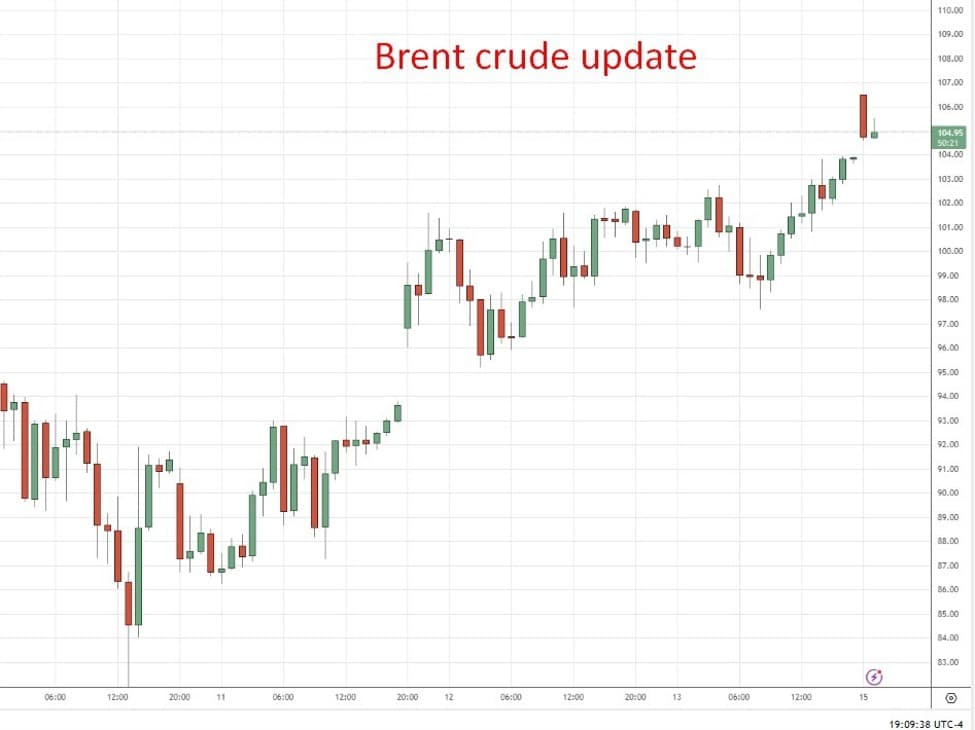
The complete disruption of shipping through this corridor has caused oil prices to surge above $103 per barrel.
Markets remain highly volatile amid fears that prolonged disruption could tighten global supply and weigh heavily on economic growth.
According to monitoring data, zero ships have made it through the waterway over the last 24 hours, a dramatic decrease from the typical daily average of 60 ships.
Strategic Concerns Emerge
European governments are increasingly expressing concerns about the lack of clarity surrounding Washington's longer-term strategy in the conflict with Iran.
“and Israeli strikes on Iran”
Officials are calling for greater transparency about U.S. objectives and timeline.
While Trump has been in talks with 'about seven' countries on policing the Strait of Hormuz, European leaders remain skeptical about the effectiveness of military approaches.
Germany's position reflects a broader European stance that emphasizes diplomatic solutions rather than direct military involvement.
Wadephul suggesting that the conflict has 'nothing to do with NATO' and noting that 'neither the United States nor Israel consulted us before the war.'
More on Iran
Russia Secretly Airlifts Iran's Supreme Leader Mojtaba Khamenei to Moscow for Surgery
11 sources compared
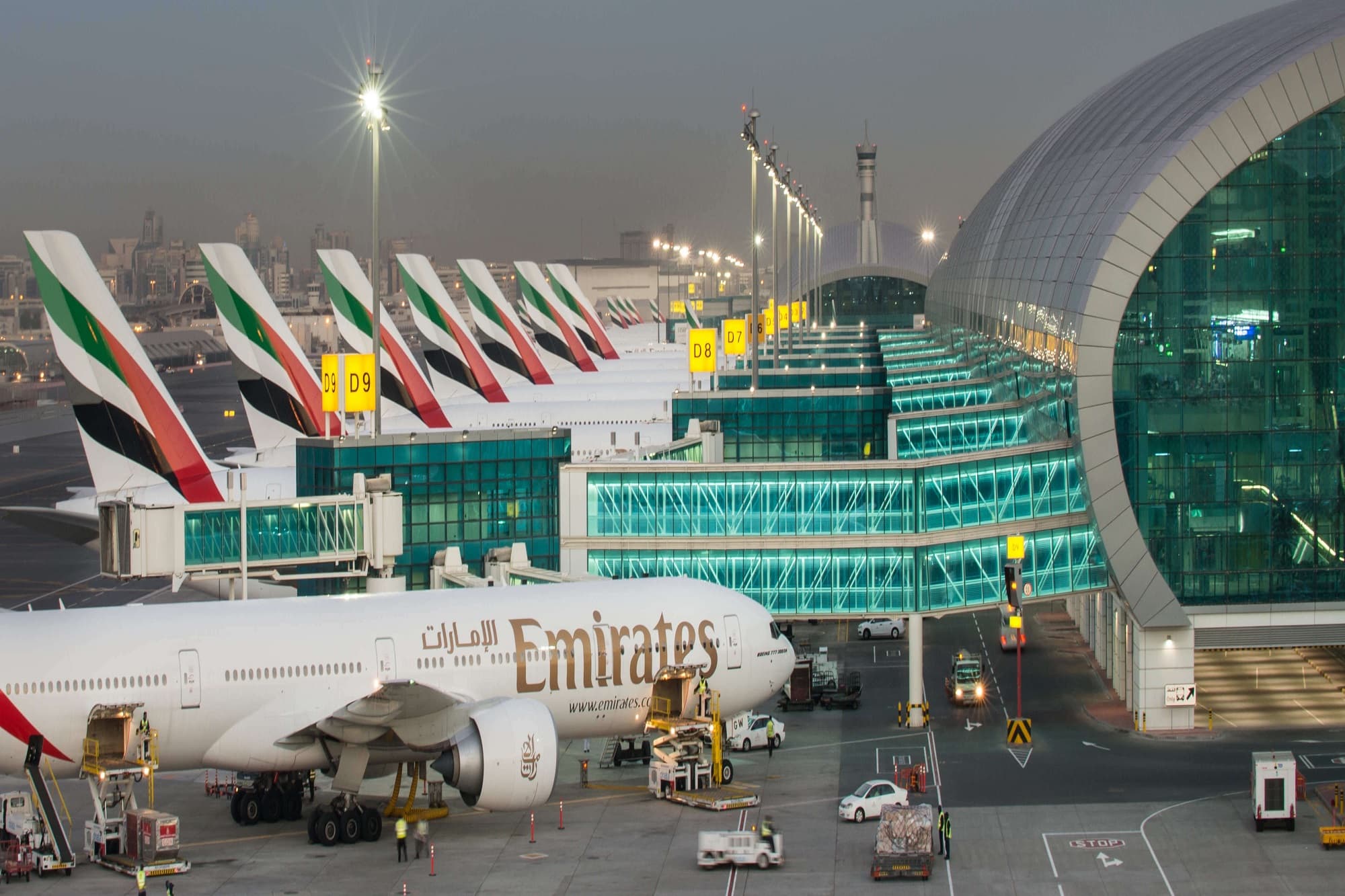
Iranian Drone Strike Shuts Dubai International Airport, Thousands Stranded
25 sources compared

Iran Drone Strike Shuts Dubai International Airport, Triggers Global Travel Disruption
16 sources compared

Iran's New Supreme Leader Mojtaba Khamenei Travels to Moscow for Leg Surgery
15 sources compared