Ukraine War · 14 March, 2026 · 2 min read
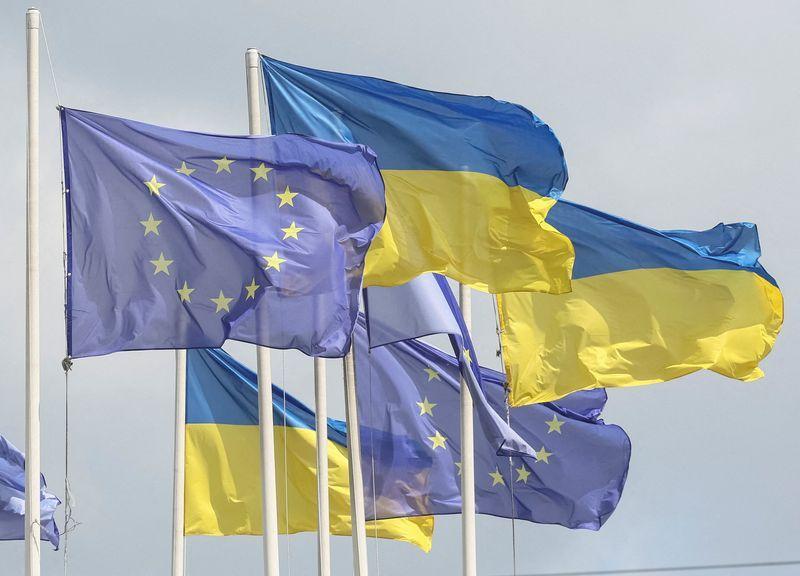
EU extends six-month sanctions on Russia's war against Ukraine
EU extends six-month personal sanctions on about 2,600 individuals and entities. Sanctions extended until 15 September 2026.
Veto deadlock over sanctions extension and its resolution.
6outlets compared
Same story, two versions
tap a side to read it in full
Sky TG24
“Nel quadro della proroga, le misure restrittive nei confronti di due individui non sono state confermate.”Read the original ↗
The Star
“The 27-nation bloc did lift the sanctions on two individuals and removed five deceased people from the list.”Read the original ↗
Shows a dramatic divergence in how outlets describe whether two individuals remain sanctioned versus being removed, revealing differing framing of the renewal outcome.
Sanctions Extension Overview
The European Union has successfully extended its sanctions targeting individuals and entities supporting Russia's war against Ukraine for another six months. The Council, representing the 27 EU member states, announced that restrictive measures would be prolonged until September 15, 2026. The sanctions regime, which has been in place since Russia's invasion in February 2022, currently affects approximately 2,600 individuals and entities.
“The European Union has extended for six months sanctions against people and entities deemed to be supporting Russia's war against Ukraine after a deadlock due to Hungary and Slovakia maintaining vetoes.”
The measures include travel restrictions, asset freezes, and prohibitions on making funds available to listed persons. This extension represents the EU's continued commitment to maintaining pressure on Russia despite challenges in maintaining unity among member states.
Internal EU Divisions
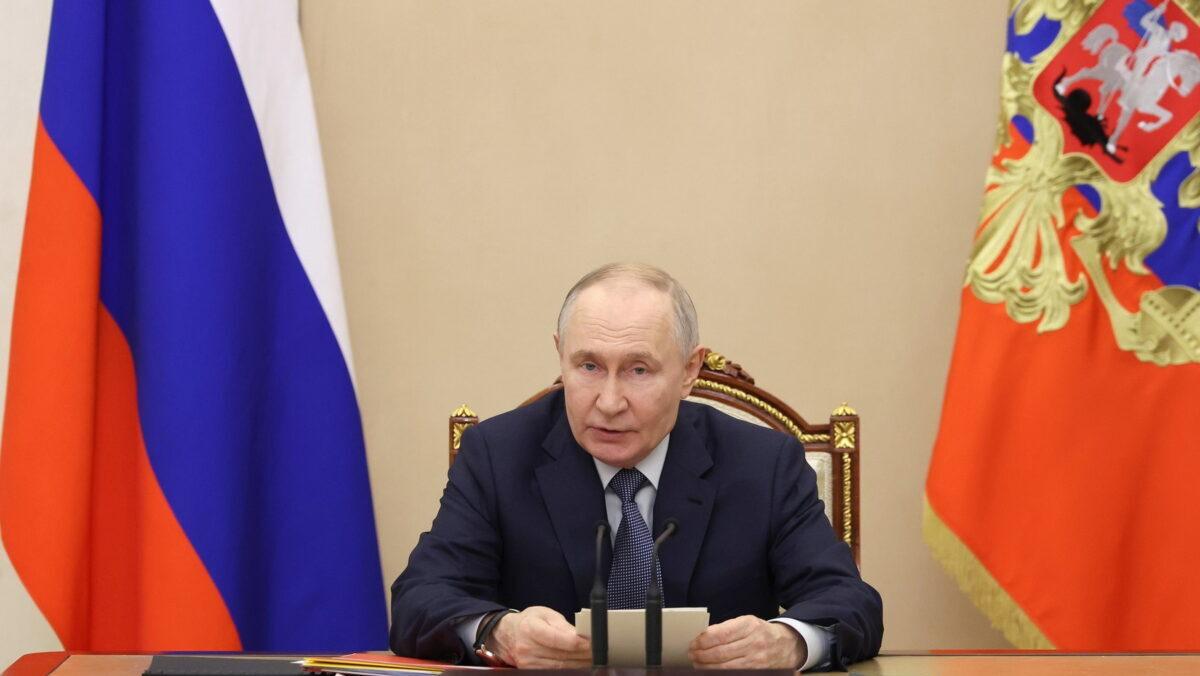
The sanctions extension process was complicated by internal divisions within the EU, particularly from Hungary and Slovakia. Hungary and Slovakia initially maintained vetoes and sought to have Russian oligarchs removed from the sanctions list. Hungarian Prime Minister Viktor Orban publicly urged the European Union to suspend sanctions on Russian energy due to soaring prices fueled by the war in Iran.
Slovakia reportedly attempted to remove two prominent Russian oligarchs, Mikhail Fridman and Alisher Usmanov, from the EU sanctions list. Despite these political maneuvers, the EU ultimately maintained a hard line toward Moscow without exemptions.

Military Escalation
The sanctions extension comes amid intensified Russian military attacks on Ukraine. Moscow launched a significant offensive involving approximately 430 drones and 68 missiles over the weekend. Regional military administrator Mykola Kalashnyk reported that Russian strikes killed five people and injured 15 in the Kyiv region.
“The extension of sanctions came one day after EU Council chief Antonio Costa slammed the United States for lifting sanctions on Russian oil exports... Russia hammered Ukraine with missiles and drones on Saturday, killing five people and injuring 15 in the Kyiv region surrounding the capital.”
The southeastern city of Zaporizhzhia was hit by Russian-guided bombs, killing one person and injuring three. Ukraine's President Volodymyr Zelenskyy stated that Russia's main target was energy infrastructure outside the capital Kyiv.
Geopolitical Dynamics
The extension of EU sanctions has significant geopolitical implications. Russia appears to be exploiting international attention focused on the Middle East conflict to escalate its aggression. Ukrainian President Zelenskyy warned that 'Russia will try to exploit the war in the Middle East to cause even greater destruction here in Europe, in Ukraine.'
Belgium's Prime Minister Bart De Wever called for the EU to be mandated by its member states to negotiate with Russia. EU chief diplomat Kaja Kallas has maintained that the bloc must first reach an agreement on what is expected from Russia before directly approaching Putin.

Sanctions List Adjustments
In the context of the sanctions review, the EU Council decided not to renew the listings of two individuals and to remove five deceased persons from the list. One of the two living individuals removed was Niels Troost, a Dutchman placed on the sanctions list over trading Russian oil. The EU emphasized that while some adjustments were made, the bloc remains determined to 'maintain and increase pressure on Russia to stop its brutal war of aggression'.
“The 27-nation bloc did lift the sanctions on two individuals and removed five deceased people from the list. One of the two living individuals removed was Niels Troost, a Dutchman placed on the sanctions list over trading Russian oil, according to an EU diplomat.”
This careful curation of the sanctions list reflects the EU's strategy of targeting specific individuals and entities. The approach allows for pragmatic adjustments without compromising the overall policy objective of pressuring Moscow.