Europe · 03 May, 2026 · 3 min read
European Commission Provisions EU-Mercosur Free Trade Deal Takes Effect May 1
Provisionally entered into force on May 1, 2026. Includes Argentina, Brazil, Paraguay and Uruguay.
What the deal primarily means.
3 of 4 outlets skipped it: EU CJEU may rule within up to two years..
18outlets compared
Same story, two versions
tap a side to read it in full
They disagree on whether the headline is economic gains or political-system anchoring.
EU-Mercosur starts May 1
As of May 1, the European Commission provisionally implemented the long-negotiated free trade agreement between the European Union and the Mercosur bloc, covering Argentina, Brazil, Paraguay, and Uruguay. The Atlantic Council said the deal’s provisional entry into force is a major milestone for “the international economic and strategic agendas of Europe and South America,” while noting there is an ongoing legal challenge in the EU. ANegotiations for the EU-Mercosur deal began in 2000, and the Atlantic Council reported that a political agreement between EU and Mercosur leaders was not reached until 2024.A
The Atlantic Council added that the European Parliament voted to request an official legal opinion from the Court of Justice of the European Union (CJEU), with a final ruling that could take up to two years. AMonaco Life described the provisional application as creating a trading zone of 700 million people that came into force on Friday 1st May, with the EU-Mercosur deal described as “25 years in the making.”
Tariffs cut, jobs projected
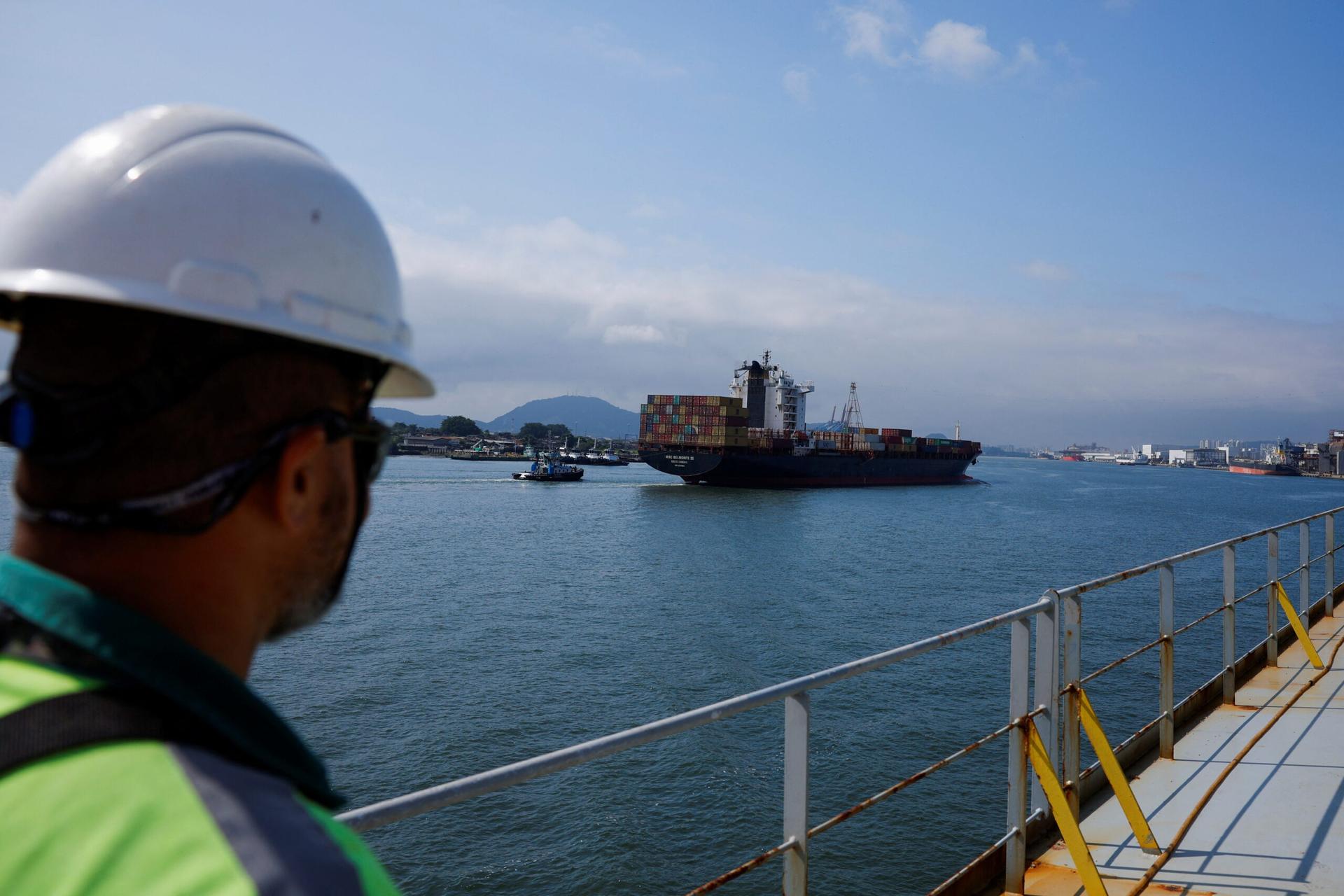
The Atlantic Council reported that as of May 1, tariffs were removed on 91 percent of exports between the two blocs, and it said the Commission estimates that by 2040 EU gross domestic product will grow by nearly 78 billion euros. AMonaco Life projected that by 2040 the European Commission will deliver more than €77.6 billion in increased EU GDP, boost annual EU exports by up to €50 billion, and support up to 600,000 jobs across Europe. Monaco Life said the most immediate practical effect for European businesses is the reduction of tariffs on industrial goods, including duties on cars “currently run as high as 35% in Mercosur countries.”
The Atlantic Council said sectors such as cars, machinery, and pharmaceuticals that had previously faced tariffs between 14 and 35 percent will see those costs slashed, and it described the deal as also reducing barriers for Mercosur members. AIn the same coverage, Monaco Life said the agreement also secures more reliable access to critical raw materials, including that the EU currently imports 82% of its niobium from Mercosur countries.
Legal fight and open questions
The Atlantic Council said the European Parliament’s request for a CJEU legal opinion is a last-ditch attempt to block the agreement, in response to protests by farmers across Europe and criticism by far-left and far-right European politicians alike. AIt added that there is a chance, though unlikely, that the CJEU determines the agreement is incompatible with EU treaties, specifically concerning national parliamentary discretion over the “rebalancing” clause in the deal. Monaco Life said the agreement includes binding commitments to implement the Paris Climate Agreement, preserve biodiversity and tackle deforestation in Mercosur countries, while also stating that the EU has been explicit that the deal does not lower European food safety or environmental standards.
The Peterson Institute for International Economics said the EU-Mercosur agreement leaves out mention of AI training data, regulation, technical standards, or market access, and it warned that unaddressed regulatory issues may keep future Brazilian AI products out of the EU market. In that same analysis, Peterson Institute said the agreement’s strongest contribution to Brazilian AI lies in physical infrastructure and critical minerals that AI systems depend on, while noting that the text contains “no chapter on digital trade” and “no commitments on cross-border data flows.”