
Technology and Science · 26 May, 2026 · 2 min read
FAA Approves SpaceX To Use Starbase Launch Site In Texas For Starship Development
FAA approved SpaceX to use Starbase launch site in Texas for Starship development. SpaceX may continue developing and testing Starship at Starbase Texas.
Starship’s progress is framed as regulatory readiness vs operational failure lessons.
3 of 4 outlets skipped it: spaceX must mitigate impacts on nocturnal wildlife via lighting changes..
7outlets compared
Same story, two versions
tap a side to read it in full
One emphasizes FAA permission; the other emphasizes loss of control and disintegration.
FAA greenlights Starship
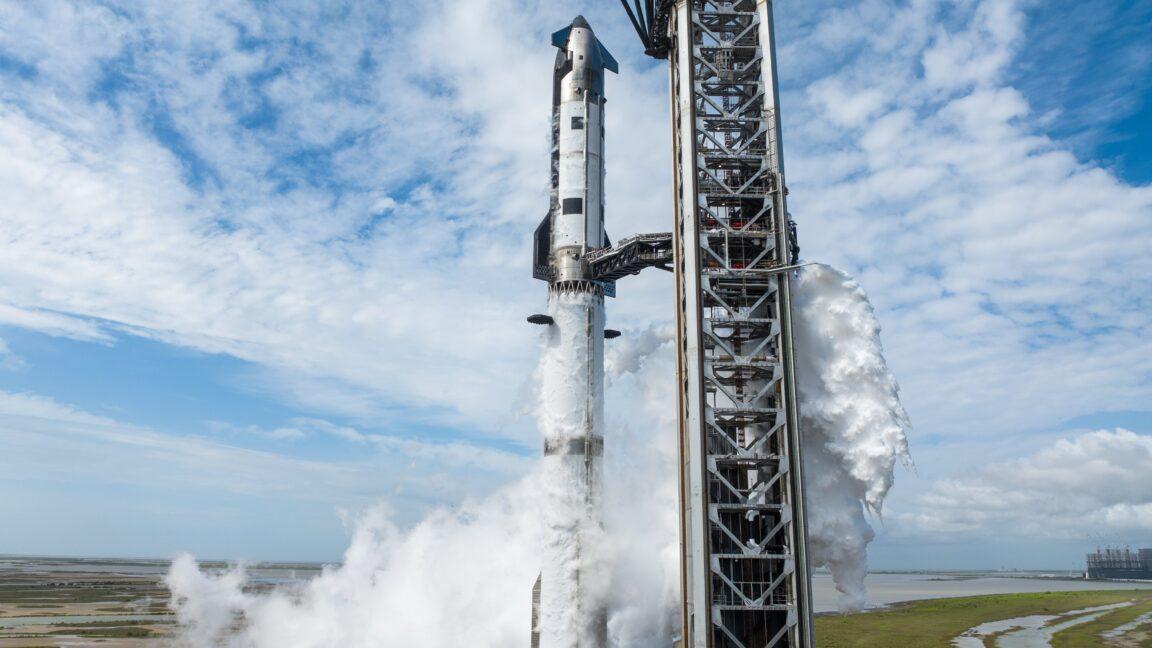
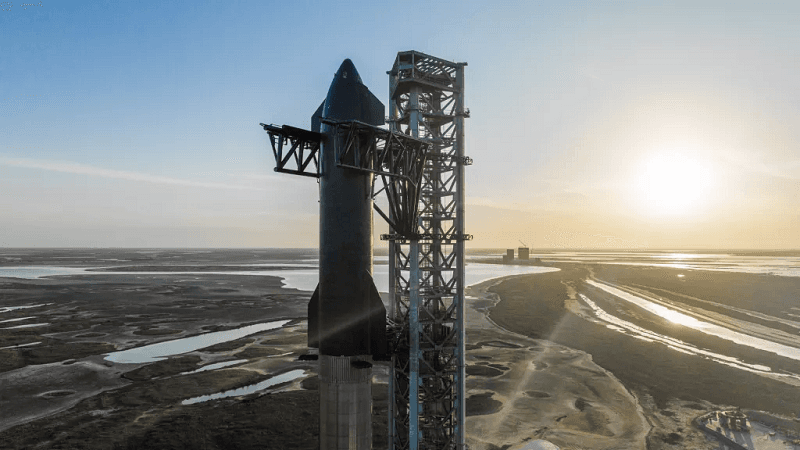
The Federal Aviation Administration (FAA) approved SpaceX to use the Starbase launch site in Texas, allowing the company to continue developing and testing its Starship vehicle in the south of the state.
“SpaceX à utiliser le pas de tir Starbase au Texas”
The PaperGeek article says the FAA decision followed a delay of at least two weeks and that the agency also delayed Amazon’s drone delivery system launch.P
SpaceX was required to follow a total of 75 environmental measures near the launch area, including steps to reduce the duration of closure of State Highway 4 that runs through the plage de Boca Chica, the Texas state parks, and the Lower Rio Grande National Wildlife Refuge.
The FAA also required SpaceX to let a biologiste surveiller les populations végétales et animales de la région and to modify its lighting configuration to reduce impact on nocturnal wildlife.
The PaperGeek account adds that the FAA delay pushed back the first Starship orbital flight, which Elon Musk said was supposed to have happened in May.P
Starship reaches space, fails
Ouest-France reports that Elon Musk’s company launched its giant Starship rocket from Starbase in Texas on Tuesday, May 27, 2025, on its ninth test flight.O
The article says Starship successfully reached space but lost control before reentry, with contact lost at the end of the mission as the rocket disintegrated over the Indian Ocean.
Ouest-France describes a fuel leak that prevented Starship from stabilizing, leading to an uncontrolled tumble and making a safe return to Earth’s atmosphere impossible.O
It adds that the Super Heavy booster equipped with 33 engines launched Starship into the air before detaching, and that the launcher then performed a controlled splashdown in the Gulf of Mexico as part of tests.
The article quotes SpaceX’s spokesperson Dan Huot saying, "We are trying to do something extremely difficult, and it won't always be a straight line [...]."
Next missions and stakes
Ars Technica frames the stakes by saying the US space enterprise is "desperately waiting for Starship" and asks whether it will finally deliver after a mixed record and a rocket that "has not flown in seven months."
“"desperately waiting for Starship—will it finally deliver?"”
Ars Technica also points to SpaceX’s broader business momentum, including paying $17 billion to EchoStar for wireless spectrum to boost Starlink and plans to launch 1 million orbital data centers.
Tesla Mag says SpaceX is set to close 2025 with the CSG-3 mission, with a Falcon 9 scheduled to lift off from Vandenberg for the COSMO-SkyMed Second Generation (CSG-3) payload.
The article describes CSG-3 as a synthetic aperture radar (SAR) satellite capable of seeing through clouds and in total darkness for the Italian Space Agency (ASI), and it says the booster B1081 will make its 21st flight.
Tesla Mag adds that SpaceX’s launch is scheduled for 02:09 UTC on December 31 and that the first stage will return to land at Landing Zone 4 (LZ-4), producing sonic booms audible even in Santa Barbara and Ventura counties.