
Faisal Islam Charts Show UK Economy Grew 0.6% in January-March Quarter
Key Takeaways
- UK GDP grew 0.6% in the January–March quarter.
- IMF warned the UK would be hardest hit by the Iran war.
- Six charts illustrate the economy's resilience and key trends.
UK growth in charts
The BBC’s Faisal Islam lays out six charts on the UK economy, saying the British economy is showing far more resilience than expected by many economists, including the IMF which suggested the UK would be hardest hit by the Iran war.
“The British economy is showing far more resilience than expected by many economists, including the IMF which suggested the UK would be hardest hit by the Iran war”
In the first quarter from January to March, the latest official economic numbers show the economy grew by 0.6%, which the BBC describes as notably higher than recent sluggish history.
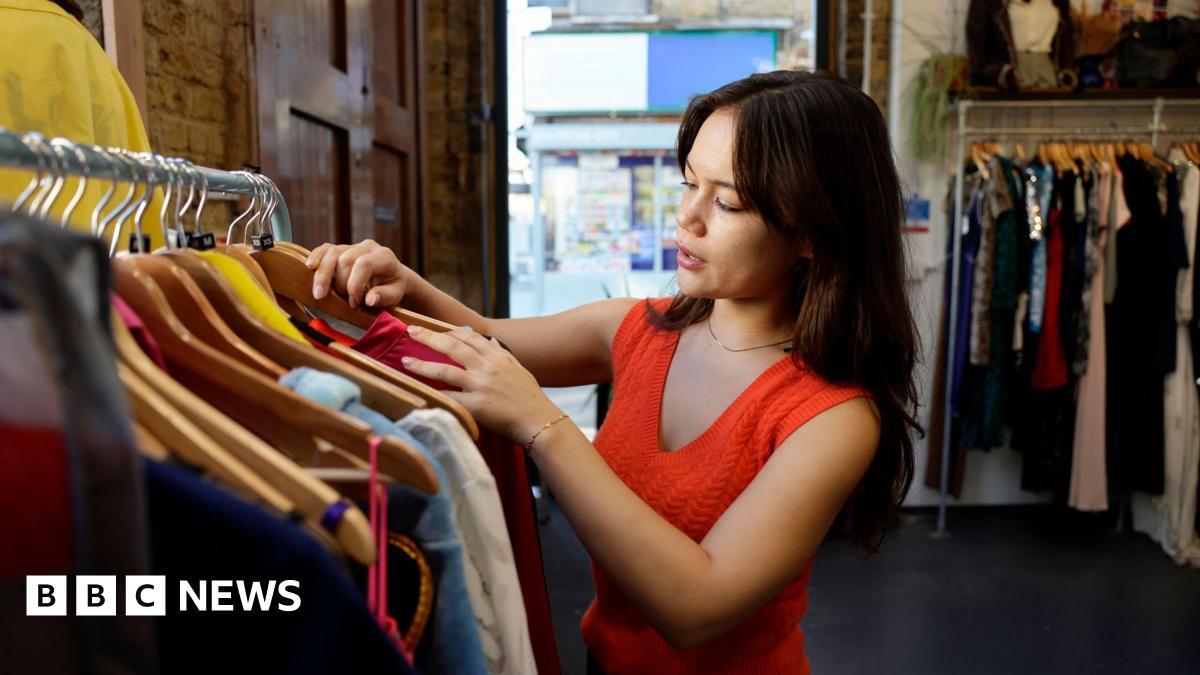
The BBC also says the IMF prominently forecast last month that the UK would be the hardest hit economy in the G7, but that “that has not come to pass yet.”
The BBC adds that the latest figures for GDP per capita were the fastest for four years, since the start of the energy shock after Russia invaded Ukraine, reflecting stagnant living standards even as growth per person improved.
Comparisons and drivers
The BBC says the UK compares well to other advanced economies because every nation in the world has been hit by the Iran War, and it is currently the fastest growing of these major economies in the G7.
It frames one possible reason as household domestic energy bills being protected, while also noting that the energy shock “has affected the UK less as Britain has become less sensitive to gas prices in recent years.”

The BBC reports growth across the board in services, construction and manufacturing, with wholesale and retail trade showing a boost that suggested a more resilient consumer.
It also says professional scientific activities and information and communications did well, linking that performance to strong investment news in the UK AI and tech sector, nicknamed “Britmaxxing.”
Confidence, housing, and risk
The BBC says other sectors struggled as concerns emerged from rising fuel and chemical costs, with the machinery and equipment sector falling and administrative services activities also falling.
“Looking at the economic situation in the 1990s, especially in the middle of that decade, it seems we are facing a world that is completely different”
It highlights house building as a sector to watch, especially given the rise in fixed mortgage rates, and ties that to consumer confidence as the latest consumer confidence shows the impact of rising fuel and mortgage costs.
The BBC concludes that the chancellor and PM are “eagerly hoping for an end to hostilities in the Gulf,” and for a reopening of the Strait of Hormuz.
In a separate analysis of income changes across major economies, عصر ایران says it examined daily median income in 20 major economies worldwide from 1994 to 2024 using data from the Our World in Data website, with figures adjusted for inflation, taxes, and social benefits.
More on Britain

Princess of Wales Completes Three Peaks Challenge, Raises Money for Royal Marsden Cancer Charity
14 sources compared

Keir Starmer Resigns as Labour Leader, Paving Way for Andy Burnham
10 sources compared

King Charles Discloses £12.9 Million Tax Bill as Buckingham Palace Releases Financial Documents
14 sources compared

East Midlands Railway Train 1H46 Driver Killed After Passing Red Signal Near Elstow, Bedfordshire
10 sources compared