Entertainment27 March, 20263 min read
Family Announces Beirut Funeral For Ahmed Qabour After His Death
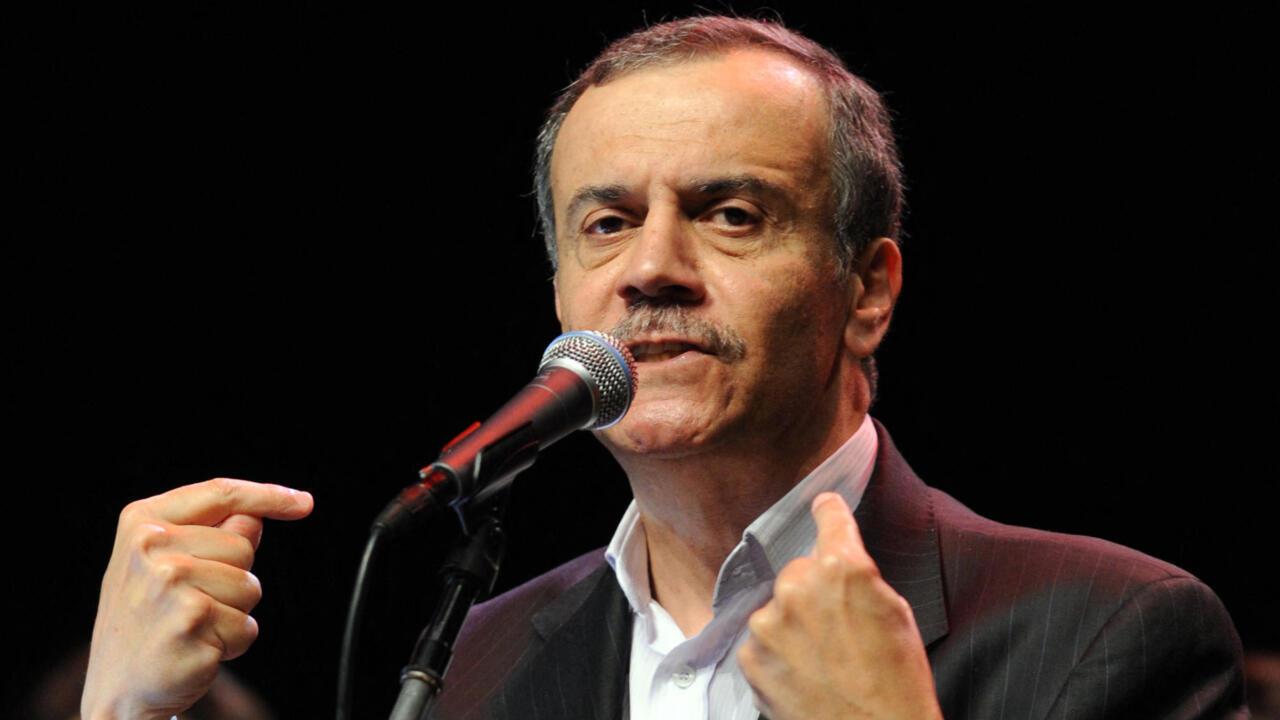
Beirut-based Ahmed Qabour died after a battle with illness; age reported 70–71. Farewell ceremonies and funeral prayers were planned in Beirut following his death.
Death & Beirut funeral plan
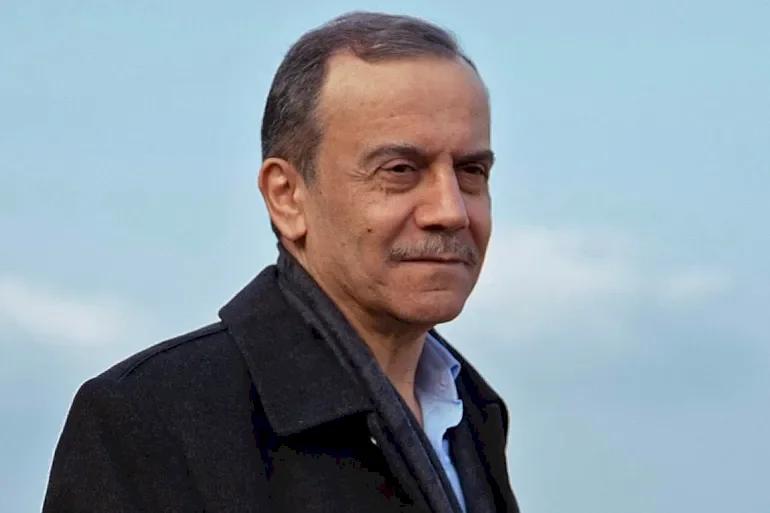
Ahmed Qabour’s death and the immediate Beirut funeral plan mark the single most important new development in coverage, underscoring how his pro-Palestinian, humanitarian repertoire continues to mobilize audiences across West Asia. Reports confirm he died on Thursday, at 71, after a battle with illness that his family described in later tributes. Anadolu Ajansı states 'Ahmed Qabour, a Lebanese artist, died on Thursday at the age of 71 after a long career marked by singing for the people, the land, and the Palestinian cause,' and adds that 'farewell ceremonies will be held tomorrow, Friday, in Beirut.'
“Ahmed Qabour, a Lebanese artist, died on Thursday at the age of 71 after a long career marked by singing for the people, the land, and the Palestinian cause.”
The National reports funeral prayers would be held the following day at Al Khashoggi Mosque in Beirut, before burial at the Martyrs’ Cemetery. France 24 notes that the artist left behind a lasting artistic legacy across Lebanon and the Arab world, while BBC frames him as a symbol of the committed song and humanitarian legacy tied to the Palestinian cause.

Beirut funeral specifics
Beirut’s planned rites crystallize the public dimension of Qabour’s work, with funeral prayers and burial arranged in city landmarks. Anadolu Ajansı records that 'farewell ceremonies will be held tomorrow, Friday, in Beirut.' The National specifies the religious rite: 'funeral prayers would be held the following day at Al Khashoggi Mosque in Beirut, before burial at the Martyrs’ Cemetery.'
France 24 confirms a Beirut-to-be funeral on Friday as announced by the family. These concrete arrangements signal a regional recognition of the artist’s role beyond Lebanon’s borders.
Pro-Palestinian legacy
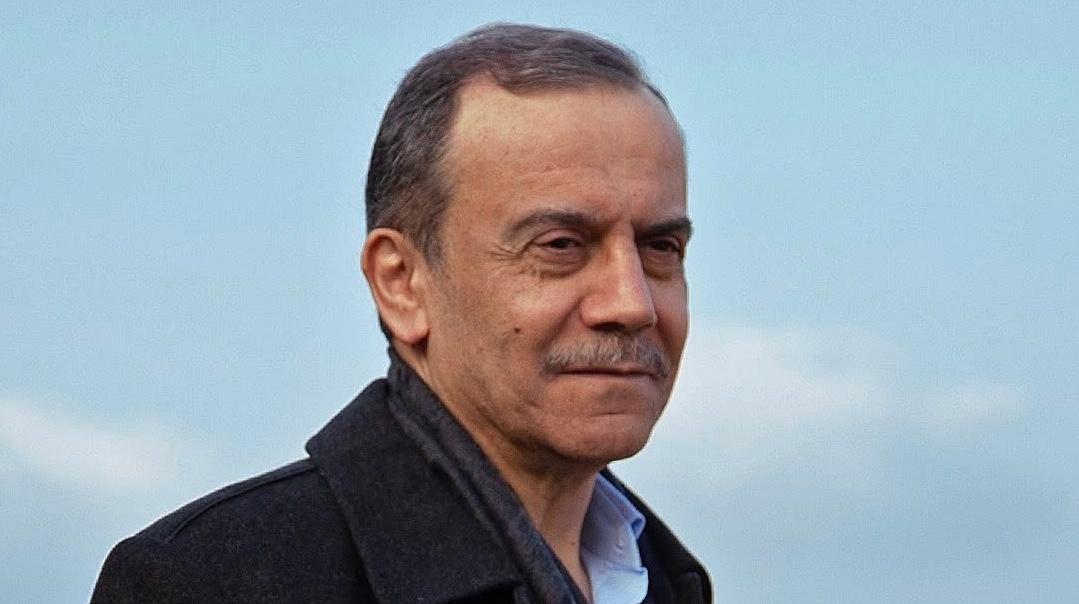
Qabour’s career sits at the intersection of culture and politics, anchored in Palestinian solidarity and humanitarian concerns that defined much of his repertoire. France 24 frames him as a leading figure of Lebanon’s committed music, noting that the song 'Anadiikum' by Tawfiq Ziad served as a starting point for his artistic career. The National highlights 'Ounadikom' as a cross-border anthemic piece that spread through protests and cultural events.
“Qabour was known as one of the leading figures of Lebanon's committed music, and his name was associated with works expressing the concerns of people affected by Lebanon's civil war and the Palestinian territories, with the song 'Anadiikum' by Palestinian poet Tawfiq Ziad serving as a starting point for his artistic career.”
Al Jazeera Net emphasizes that the song became an 'anthem etched in the Arab psyche' and that Qabour sang 'from inside the people' and 'from their daily details, from their fears and their dreams.' The Jerusalem (Al-Quds) obituary adds that 'Anadeekum' became a national anthem recited in Palestinian and Arab homes since 1982. BBC characterizes him as 'one of the Arab world’s foremost symbols of the committed song.'
Arab world tributes
Reaction across the Arab world has been swift and reverent, reflecting Qabour’s status as a cultural beacon for Palestinian solidarity and social justice. The National reports tributes from across the Arab world, with artists and cultural figures recalling the composer’s influence on social media.
France 24 notes that Hariri and other public figures joined contemporaries in mourning, while the Palestinian Ministry of Culture also mourned him; Arabic outlets emphasize memorial clips and social-media posts. The Jerusalem outlet highlights how Arab and Lebanese arts communities publicly lamented the loss, underscoring the breadth of his influence beyond Lebanon’s borders.
Legacy beyond protest songs
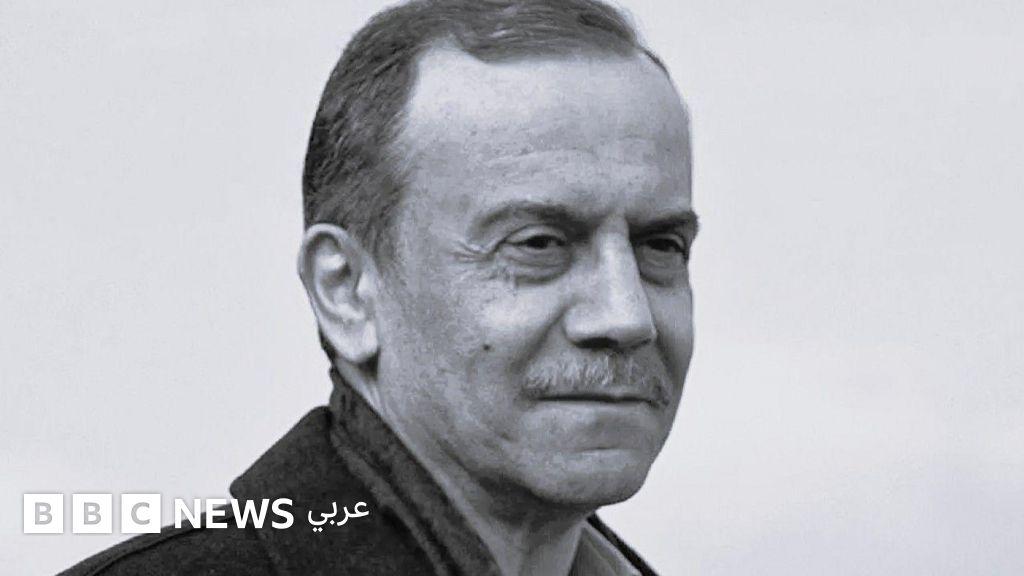
Beyond iconic anthems, Qabour’s body of work extended into Beirut’s cultural fabric—via theatre, cinema, and family-friendly productions that diversified his legacy. Anadolu Ajansı lists his best-known songs, including 'Anadiikum' (I Call You), 'Khalina ma‘ ba‘d' (Let's Be Together) in 2002, and 'Bidi aghanni lil-nas' (I Want to Sing for the People) in 2010, highlighting a broad social dimension to his artistry.
“Among his best-known works are the songs 'Anadiikum' (I Call You) in 1975 with lyrics by Palestinian poet Tawfi Ziad; the song became a symbolic artistic emblem passed down through generations and remained in the Arab memory.”
Al-Jazeera Net traces his creative arc from city-life memory to cinema and theatre, noting his involvement in films and children’s theatre. The Jerusalem piece stresses his contribution to Beirut’s cultural landscape, including work in films about Palestinian symbols and in theatre, while العربية emphasizes his independence from political or commercial pressures and his dedication to humanistic values.