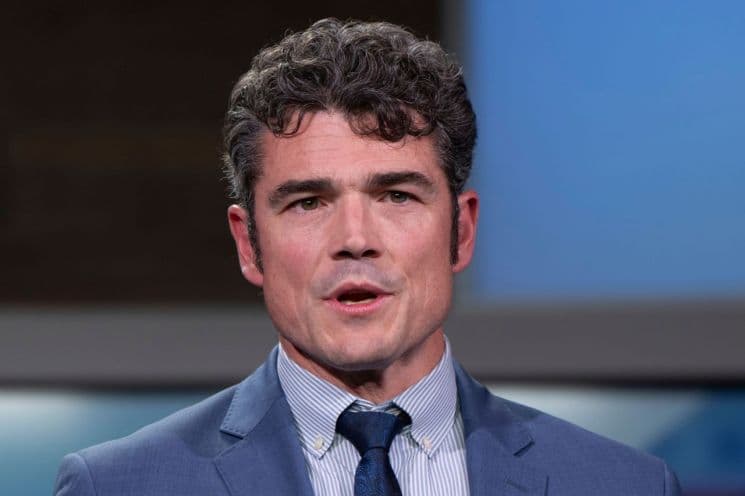
FBI investigates Joe Kent, former National Counterterrorism Center director, for allegedly leaking classified information.
Key Takeaways
- Joe Kent resigns as NCTC director, saying Iran posed no imminent threat.
- FBI investigates Kent for allegedly leaking classified information.
- Kent alleged Israel pressured U.S. into war, citing Israeli lobby influence.
FBI Investigation Details
The FBI has opened an investigation into former National Counterterrorism Center Director Joe Kent over allegations that he improperly shared classified information, according to multiple sources familiar with the matter.
The bureau's probe, which predates Kent's resignation from his post on March 17, 2026, focuses on claims that Kent mishandled sensitive materials by sharing them with unauthorized individuals.
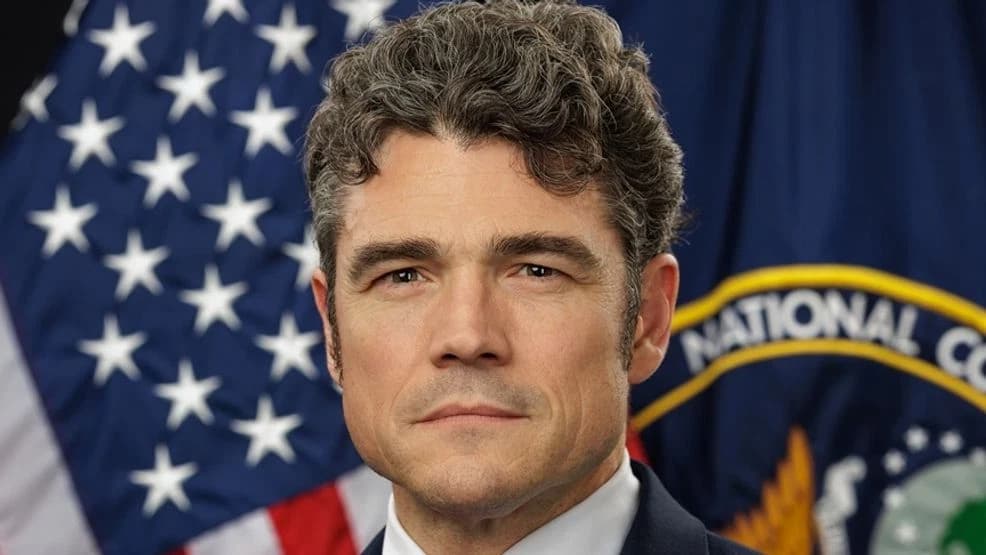
Four people with direct knowledge of the investigation confirmed to Semafor that the inquiry had been ongoing for months before Kent publicly broke with the Trump administration over the war in Iran.
The investigation became public knowledge one day after Kent resigned, with multiple news outlets reporting that the federal inquiry was not a reaction to his resignation but rather a months-long effort to determine whether sensitive materials were mishandled.
Kent's Background and Resignation
Joe Kent, a former Army Special Forces soldier and CIA paramilitary officer who served as director of the National Counterterrorism Center since July 2025, resigned from his position on March 17, 2026, citing moral objections to the Trump administration's war with Iran.
In his resignation letter posted to social media, Kent stated that "Iran posed no imminent threat to our nation, and it is clear that we started this war due to pressure from Israel and its powerful American lobby."

The 45-year-old Oregon native and Norwich University graduate had previously run unsuccessful congressional campaigns in Washington state in 2022 and 2024 before being nominated by President Trump and confirmed by the Senate in a 52-44 vote.
Kent's military background included 11 combat deployments as a Green Beret, and he lost his wife Shannon, a Navy cryptologic technician, in a 2019 ISIS bombing in Syria.
Political Fallout and Reactions
Kent's resignation and the subsequent FBI investigation have created significant political fallout, with the Trump administration and its allies moving quickly to discredit him as untrustworthy and disloyal.
White House Press Secretary Karoline Leavitt dismissed Kent's claims about Israeli influence as "both insulting and laughable," while President Trump personally attacked Kent's security credentials, stating "I always thought he was weak on security. Very weak on security."
Trump further declared that Kent's departure was "a good thing" because "if someone in his administration did not believe Iran was a threat, we don't want those people."
Meanwhile, Director of National Intelligence Tulsi Gabbard defended the administration's decision, writing that after "carefully reviewing all the information before him, President Trump concluded that the terrorist Islamist regime in Iran posed an imminent threat and he took action based on that conclusion."
The coordinated pushback suggests the administration views Kent's public dissent as particularly damaging given his role as the nation's top counterterrorism official.
Investigation Context and Implications
The timing and circumstances of the FBI investigation raise questions about the intersection of national security policy, political dissent, and intelligence protocols.
While multiple sources confirm the investigation predates Kent's resignation, the revelation of the probe occurred immediately following his public break with the administration over Iran policy.

Kent's resignation marked the first high-level departure from the Trump administration over the Iran war, which entered its third week in March 2026.
The National Counterterrorism Center, which Kent led, is responsible for analyzing terrorist threats and coordinating counterterrorism intelligence across the U.S. government.
As a former Green Beret and CIA officer with extensive combat experience, Kent had been praised by Republicans for his counterterrorism qualifications despite facing Democratic opposition during his confirmation due to his past ties to far-right figures and conspiracy theories.
The investigation's focus on alleged mishandling of classified information comes amid broader concerns about intelligence integrity and the politicization of security assessments within the Trump administration.
Broader Policy Implications
The controversy surrounding Joe Kent's investigation and resignation highlights broader tensions within the Trump administration over the justification for military action against Iran.
“Almost always happy to have senior officials resigning over a war I disagree with”
Kent's claims that the war was initiated due to "pressure from Israel and its powerful American lobby" echo similar assertions made by other critics of the administration's Iran policy.
His warning about an "echo chamber" of Israeli officials and American media creating a "misinformation campaign" to justify the war draws parallels to the intelligence failures that led to the Iraq War.
The timing of these developments comes as the U.S.-Iran conflict has resulted in significant casualties, with approximately 13 U.S. soldiers killed and more than 1,450 people total dead in the conflict now entering its third week.
Kent's decision to resign as the nation's top counterterrorism official over principle rather than remain silent represents a significant moment in the debate over the administration's foreign policy direction and the use of intelligence to justify military interventions.
More on USA

UFW, Chávez Foundation Disassociate Over Chávez-Related Events Amid Sexual Abuse Allegations
37 sources compared
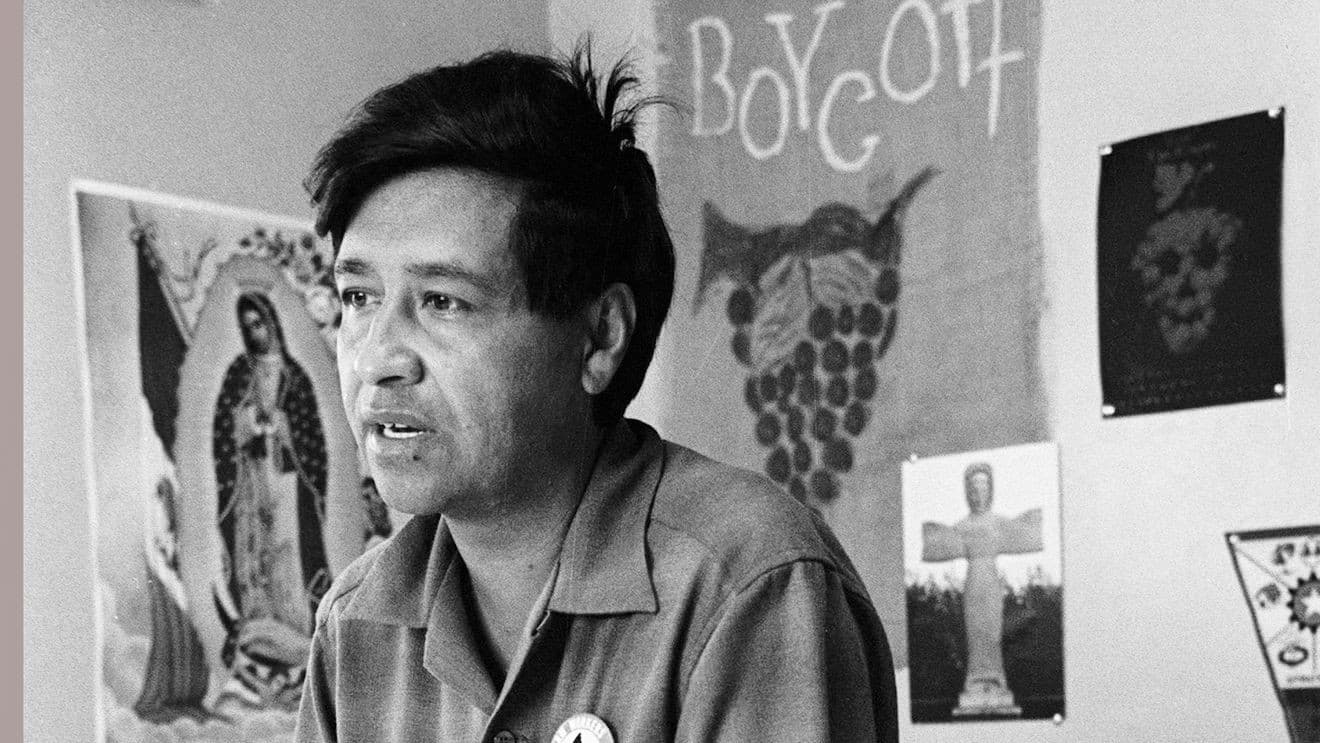
Organizers cancel César Chávez Day events nationwide over abuse allegations.
59 sources compared

Lt. Gov. Juliana Stratton Wins Illinois Democratic Senate Primary to Replace Durbin
171 sources compared

Senators Grill Mullin Over DHS Nomination as Intel Officials Testify on Top Threats
91 sources compared