
Senators Grill Mullin Over DHS Nomination as Intel Officials Testify on Top Threats
Key Takeaways
- Rand Paul grilled Mullin over anger issues and past remarks during the DHS hearing.
- Mullin pledged ICE warrants for entries and FEMA restructuring.
- Hearing highlighted DHS funding gaps and TSA payroll delays impacting operations.
Hearing Context
The Senate Homeland Security Committee held a contentious confirmation hearing for Markwayne Mullin, President Trump's nominee to lead the Department of Homeland Security.
The hearing took place during a partial government shutdown that had left thousands of DHS employees, including TSA agents, working without pay for over a month.

This created long security lines at airports across the country as the funding impasse continued.
Lawmakers from both parties expressed urgency about the department's critical role in addressing multiple security threats.
These threats included attacks on religious institutions, cyber intrusions linked to Iranian-backed groups, and evolving security challenges described as unprecedented by senators.
Paul Confrontation
The hearing opened with an immediate and highly confrontational exchange between Mullin and Committee Chair Rand Paul.
Paul pressed Mullin about past comments appearing to justify the 2017 assault that left Paul with broken ribs and a damaged lung.
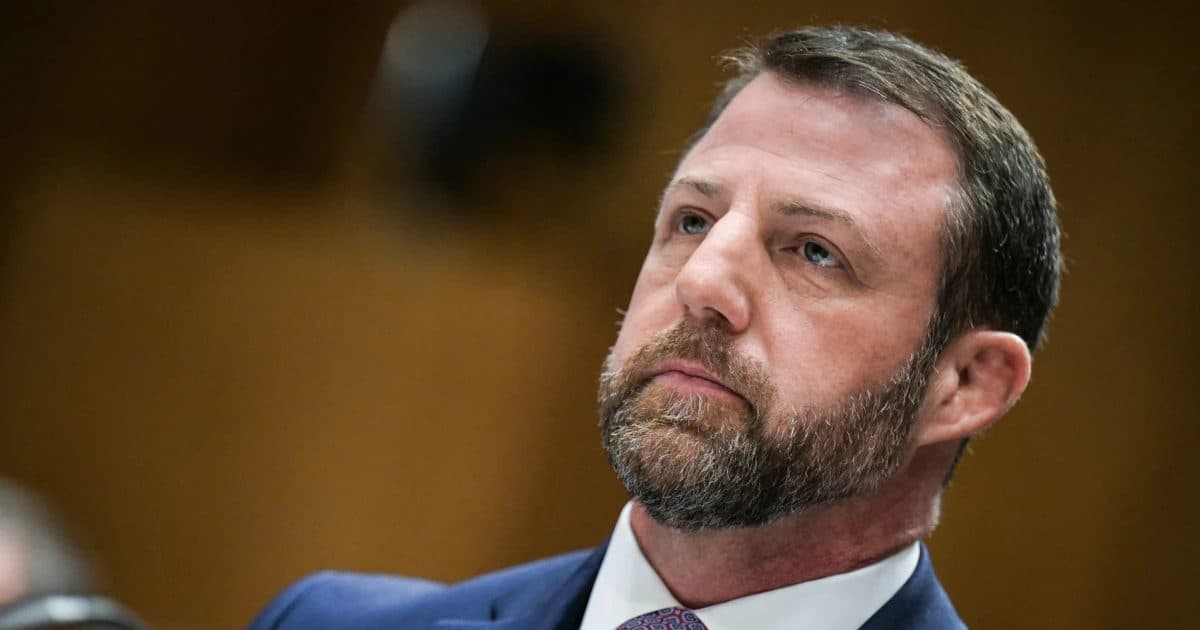
Paul repeatedly challenged Mullin to explain how someone who 'encouraged or excused violence' could credibly lead a federal law-enforcement agency.
Paul played video of Mullin calling Paul a 'freaking snake' and saying he 'understood completely why his neighbor did what he did.'
Mullin defended his communication style, insisted he did not condone violence, and asked to 'move forward.'
Despite Paul's continued pressing, Mullin remained mostly controlled but ultimately refused to apologize for his remarks about Paul's assault.
Travel Questions
One of the most tense exchanges came when Ranking Member Gary Peters questioned Mullin about prior public remarks referencing 'special assignments' overseas.
Peters cited travel records tied to Georgia, Azerbaijan, and operations involving Afghanistan, saying Mullin had offered inconsistent explanations.
Mullin responded that the work involved classified information he could not discuss publicly, saying 'It's classified, sir.'
The exchange raised bipartisan concerns about transparency for a nominee seeking to lead a major national-security agency.
Peters noted that the FBI had no record of Mullin's trip.
Mullin explained that in 2021 he had traveled to 'go get the Americans out of Afghanistan' and mentioned training for a mission scheduled for 2016.
Immigration Enforcement
Several senators questioned Mullin about controversial comments regarding immigration enforcement operations.
This followed the fatal shooting of Alex Pretti during an ICE operation in Minneapolis.
Peters asked whether Mullin stood by calling Pretti a 'deranged individual,' to which Mullin said he regretted speaking before knowing the facts.
Mullin acknowledged 'Those words probably should have been retracted. I shouldn't have said that, and as Secretary, I wouldn't.'
When asked if he would apologize to the Pretti family, Mullin said he would do so if investigations found his earlier assessment incorrect.
On immigration policy, Mullin suggested 'I would love to see ICE become more a transport than on the front line' and pledged judicial warrants for entering private property.
However, he did not offer clear answers about making fundamental changes to controversial immigration procedures under Noem's leadership.
National Threats
The hearing highlighted the growing threat environment facing the nation, with senators repeatedly warning that 'the threats to our nation have never been higher.'
“Trump has repeatedly floated the idea of phasing out the agency and pushing more disaster responsibilities to states”
These threats included recent attacks on religious institutions, cyber intrusions linked to Iranian-backed groups, and evolving security challenges.
For Indian American communities specifically, the concerns were particularly acute, as places of worship including Hindu temples and Sikh gurdwaras have increasingly sought enhanced security.
Mullin responded by saying 'We need to work together' and agreed to engage with lawmakers on improving security grants for vulnerable communities.
The hearing also flagged broader concerns over cyber threats, with lawmakers criticizing cuts to cybersecurity personnel and resources at DHS.
Lawmakers warned that adversaries were 'accelerating their cyber attacks against the United States.'
Mullin said the department would focus on recruiting 'the best and brightest individuals' to address cyber risks.
Political Outlook
Despite the confrontational tone, several Republican senators emphasized Mullin's work ethic and personal story.
James Lankford recounted Mullin's efforts helping Moore recover after the Briarwood Elementary tornado.
Lankford pointed to endorsements from law-enforcement groups and tribal leaders supporting Mullin.
Senators Bernie Moreno, John Fetterman, and Joni Ernst praised Mullin's sincerity and willingness to work across the aisle.
Senate Majority Leader John Thune told reporters he expected Mullin's nomination to be approved despite the friction with Paul.
The hearing concluded with plans for a potential classified briefing for senators.
Lawmakers indicated they wanted additional answers before moving forward on the nomination.
If confirmed, Mullin would replace Kristi Noem, who was fired earlier this month.
More on USA

UFW, Chávez Foundation Disassociate Over Chávez-Related Events Amid Sexual Abuse Allegations
37 sources compared
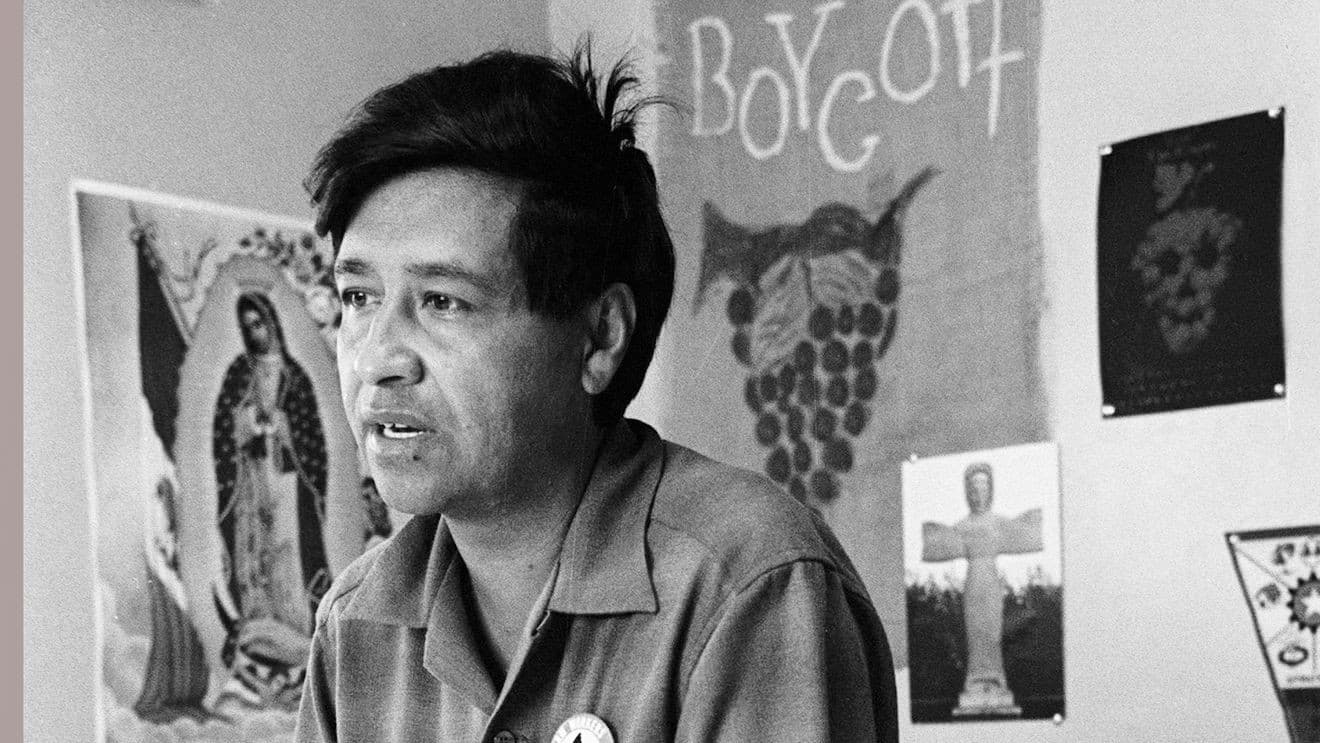
Organizers cancel César Chávez Day events nationwide over abuse allegations.
59 sources compared
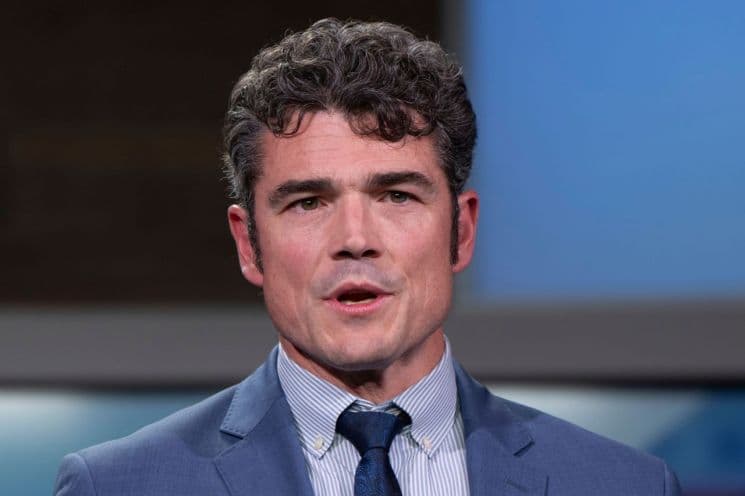
FBI investigates Joe Kent, former National Counterterrorism Center director, for allegedly leaking classified information.
81 sources compared

Lt. Gov. Juliana Stratton Wins Illinois Democratic Senate Primary to Replace Durbin
171 sources compared