Technology and Science22 April, 20268 min read
Fitch Says Iran War Reshapes Energy Storage Demand, Boosting China’s Battery Makers
This article is an automated aggregation of coverage from news outlets. Our editorials offer in-depth analysis curated by the NewsCord team.
Iran war reshapes energy storage demand, boosting Chinese battery makers with stronger overseas orders. Falling costs and rising demand push global battery installations higher, accelerating grid adoption.
Fitch Sees Battery Winners
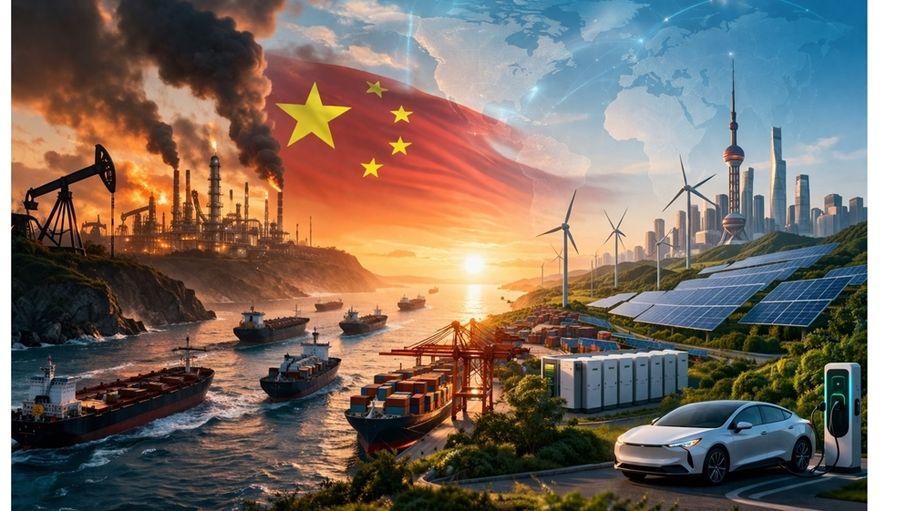
A Fitch assessment, carried by the South China Morning Post, argues that China’s battery makers are positioned to gain as the Iran war reshapes energy storage demand. The article says manufacturers are expected to see “stronger overseas orders even as price wars hurt profits at home,” and it quotes Wang, who said, “We believe that China’s leading energy storage cell manufacturers will be the bigger winners because they hold an overwhelming advantage globally.” Speaking at a media briefing in Beijing on Tuesday, Wang pointed to Chinese producers of lithium iron phosphate (LFP) batteries, saying they possessed “absolute” advantages in technology, cost-efficiency and industrial scale.
Wang added, “Consequently, it will be difficult for competitors from other countries to replace them in the short term,” and she said leading Chinese manufacturers should expect a rise in overseas orders. The same report ties the outlook to the scale of the global market, stating that the global lithium-ion battery market expanded by more than 20 per cent to exceed US$150 billion last year, citing a February report by the International Energy Agency.

It also says the IEA report warned of “concentration risks in the global supply chain,” and that China produced more than 80 per cent of all batteries while accounting for “almost all global manufacturing capacity and the associated technical expertise” for LFP batteries. The South China Morning Post further reports that production expenses in the United States and Europe are “up to 50 per cent higher” than in China, even when government support is excluded, reinforcing Fitch’s view that Chinese firms can outcompete rivals on cost and scale.
Grid Storage Becomes Central
Across multiple reports, the Iran war is described as accelerating a shift toward battery storage, with falling costs and rising electricity demand pushing projects onto power grids. The Economic Times says falling costs and soaring energy demand from data centers had already set the stage, and it adds that “The war in the Middle East has helped accelerate the trend by lifting demand for alternatives to expensive fossil fuels,” setting 2026 up to be the year batteries become influential in the global energy system. It cites BloombergNEF analysts expecting installations to jump by about a third this year, led by expansion in Europe, the Middle East, Africa and Latin America, and it says momentum could build further if fuel disruptions persist.
The Economic Times also quotes the International Energy Agency’s Brent Wanner, saying, “We’ve now crossed into a point where anytime anyone is looking at investing in the power system, batteries are one of the most attractive options,” and it adds, “Battery storage systems will continue to grow for the foreseeable future.” The TradingView report similarly frames the buildout as a convergence of economics and demand, stating that BloombergNEF had projected installations to increase by about a third in 2026 and that the outlook could strengthen further as fuel disruptions tied to the Iran war push countries toward alternatives to expensive fossil fuels. TradingView says battery costs have fallen roughly 75% between 2018 and 2025 and are expected to decline another 25% through 2035, making storage more competitive with coal and gas during periods of weak renewable output.
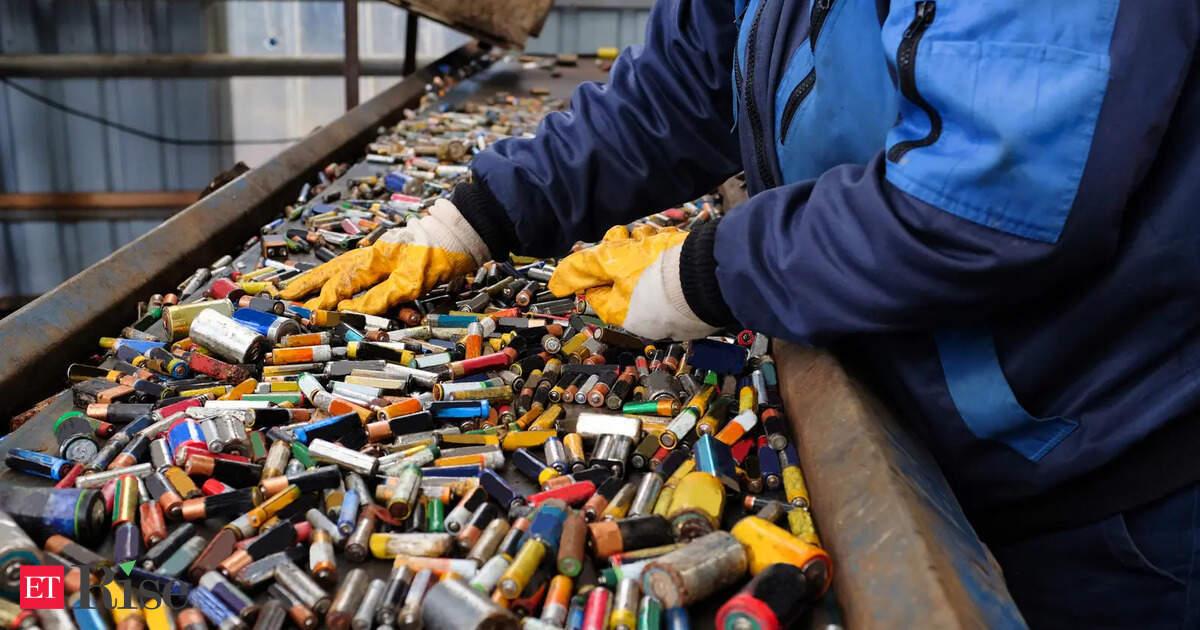
The Economic Times adds that average costs have dropped by around 75% from 2018 to 2025 and are expected to tumble another 25% through 2035, and it describes how storage lets grids buy electricity when it’s cheap and sell it when demand peaks. In Inner Mongolia, the Economic Times reports that three massive sites were switched on with a combined capacity of 7.4 gigawatt-hours, and it notes that in the US, data centers from Texas to Tennessee are turning to solar paired with batteries because traditional power plants can’t be built quickly enough.
China’s Scale Meets New Demand
Several sources connect the surge in storage demand to China’s manufacturing dominance and to the way the Iran war pushes countries to seek alternatives to expensive fossil fuels. The Economic Times describes a “battery glut” driven by years of investment in China’s electric vehicle supply chain, saying it has created a glut of batteries that is driving prices down and flooding global markets with cheaper equipment. It states that exports of lithium-ion batteries climbed in March amid rising global demand for alternative energy sources as oil and gas supplies are roiled by the Iran war, and it says China accounts for the vast majority of global manufacturing capacity and around half of existing grid-scale battery installations.
The article also links the buildout to policy, saying a 2021 mandate requiring renewable projects to include energy storage has since been retired, while the pattern mirrors the solar industry’s post-2021 cycle that led to oversupply and collapsing prices. TradingView echoes the centrality of China, saying China remains central to the global battery story, supplying the majority of manufacturing capacity and helping create a supply glut that is pushing prices lower and accelerating adoption worldwide. The South China Morning Post’s Fitch framing adds a quantitative backbone, stating that China produced more than 80 per cent of all batteries and accounted for “almost all global manufacturing capacity and the associated technical expertise” for LFP batteries.
The Arabic-language coverage emphasizes that the Iran war’s energy disruptions are pushing demand for Chinese exports, saying that fears of disruptions to oil and natural gas supplies and their rising prices are increasing demand for new energy and renewable-energy products—such as solar panels, storage batteries, and electric vehicles—which China leads the world in exporting. It also states that China produces more than 70% of the world’s electric vehicles and about 85% of the world’s battery cells, citing estimates by the International Energy Agency.
Investors, Firms, and Markets
Beyond grid economics, the sources describe how the Iran war is translating into market moves for Chinese clean-energy companies and into expectations of continued investment. The Arabic-language Independent Arabia report says that since Iran’s war began on the last day of February, CTL stock rose by 19 percent, Sungrow's stock rose by 19.4 percent, while BYD increased its market value by 21.9 percent. It adds that the value of the three companies—CTL, BYD, and Sungrow—has jumped by more than $70 billion since the start of March to today, and that the rise in their stock prices has surpassed the gains of major energy companies such as Chevron, Exxon Mobil, and BP.
The same report notes that the Financial Times said the rise in clean-energy company stocks shows how China and other oil-importing countries are responding to the war’s impact by increasing investment in renewable energy to secure energy security. It also states that it is estimated that the domestic Chinese market for storage batteries for electricity grids alone will reach $199 billion by 2032, up from $48 billion in 2025, citing Mobility Foresights. Another West Asian report says investors are betting on the trend continuing, with CATL and BYD shares rising in Hong Kong in March by 24% and 11%, respectively.
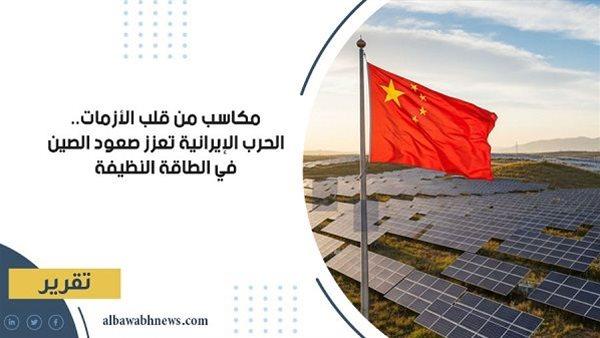
The Al-Ghad report similarly says investors bet on renewable-energy growth and that shares of CATL and BYD in Hong Kong rose in March by about 24% and 11% respectively. In the Economic Times, the market logic is tied to grid resilience and data-center demand, with Jeff Monday of Fluence Energy Inc saying, “We’ve seen an evolution — battery tech is now seen as building grid resilience.”
Beyond Lithium: Longer Storage
While lithium-ion dominates much of the near-term buildout, the Economic Times describes a “new class of technologies outside of lithium-ion” designed to extend storage from hours to days, reflecting how grid and data-center needs are evolving under fuel uncertainty. It says companies like Form Energy Inc. are pitching batteries that can keep data centers running through prolonged shortages, effectively substituting for supply from the grid. The report specifies that unlike lithium-ion cells, Form’s technology relies on the rusting of iron to store and release energy for up to 100 hours, describing it as “25 times longer than most grid-connected batteries.”
The Economic Times places this development in the context of power systems under strain across much of the world, where data centers are turning to solar paired with batteries because traditional power plants can’t be built quickly enough, and it notes that turbine shortages and grid bottlenecks slow timelines. It also says in Europe, the challenge is different, with rapid expansion of wind and solar straining grids that were not designed for huge variations in supply, increasing price swings and forcing operators to turn off when generation outpaces demand. TradingView’s framing of the buildout emphasizes that projects are lining up from Texas to Inner Mongolia and Australia as falling costs and rising electricity demand converge, and it says the shift is supported by demand from data centers pairing renewables with storage.
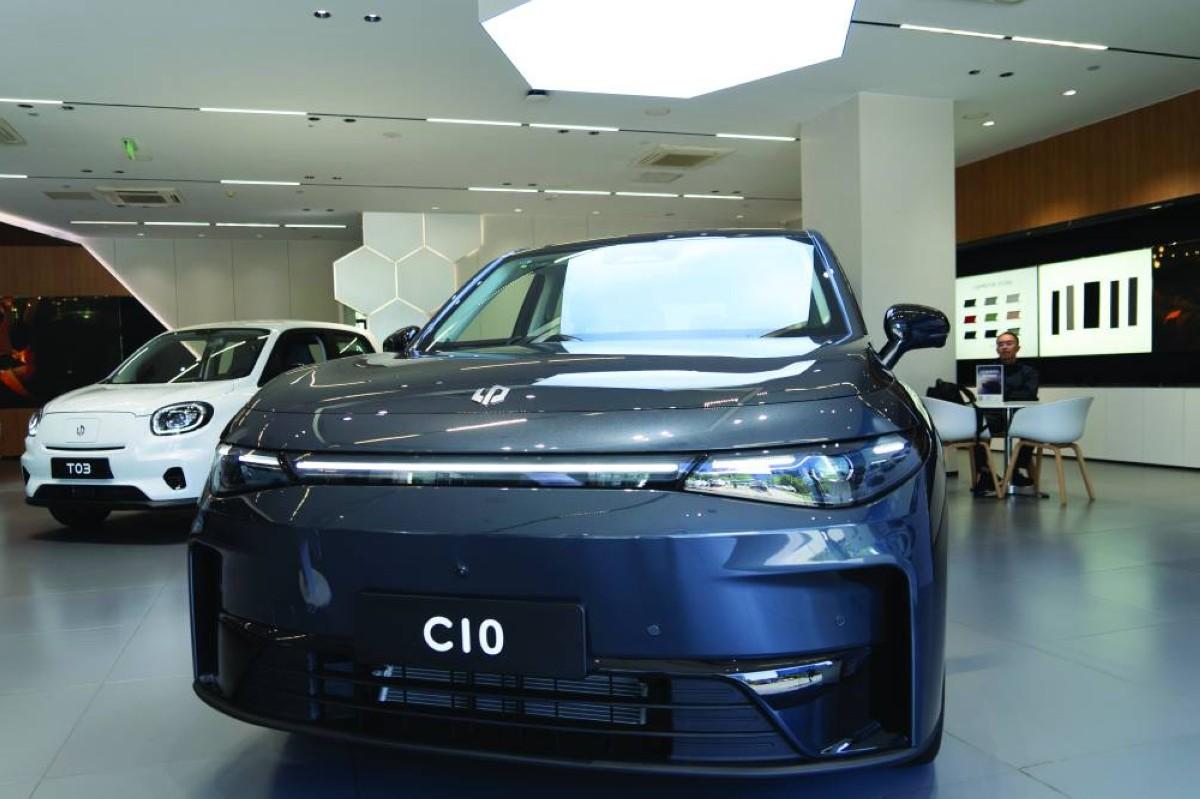
The Economic Times adds that in markets flooded with solar and wind, battery operators can buy electricity when it’s cheap and sell it when demand peaks, changing how grids function as renewable output dips. It also reports that in Scotland, two huge neighboring battery farms at the site of a former coal mine will start up this year, and it describes how storage technology is now becoming cheap and fast enough to make a difference in grid operations.