France, Britain, Germany, and Italy Welcome U.S.-Iran Memorandum, Prioritize Reopening Strait of Hormuz
Key Takeaways
- France, Britain, Germany, and Italy welcomed the U.S.–Iran memorandum.
- They regard reopening the Strait of Hormuz as a priority.
- They say the memorandum could restore regional stability and revive the global economy.
Hormuz deal and priorities
Leaders of France, the United Kingdom, Germany, and Italy welcomed on Sunday evening the announcement of a memorandum of understanding between the United States and Iran, calling it a significant diplomatic step that could open a window for restoring stability in the region and reviving the global economy.
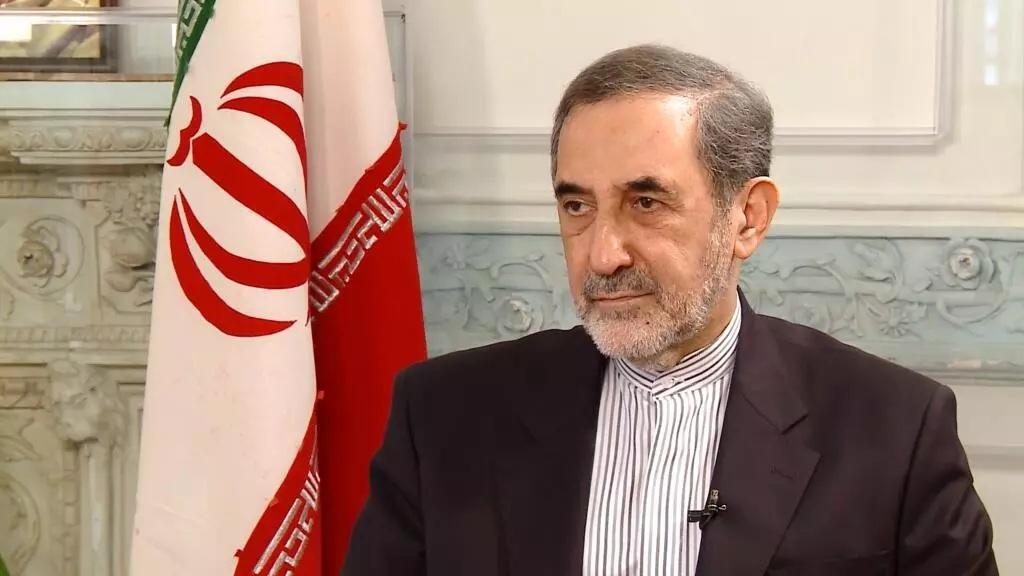
“Ali Akbar Velayati, a senior adviser on international affairs to the Leader of the Islamic Revolution, lashed out at the Persian Gulf Cooperation Council for its recent joint statement with the US against Iran, emphasizing Tehran’s key role in regional maritime stability”
In their joint statement, the four European leaders said the urgent reopening of the Strait of Hormuz is a top priority and emphasized the need to ensure unconditional and unimpeded freedom of navigation.
The statement also said the four countries are prepared to contribute by deploying an independent defensive mission of a purely defensive nature, aimed at reassuring commercial shipping and helping to clear mines.
The European leaders renewed their firm stance on the Iranian nuclear program, explicitly stating that Iran must not possess a nuclear weapon, and they expressed willingness to work with the United States, Iran, and the International Atomic Energy Agency to ensure Tehran’s commitment to its obligations.
Iran’s stance on navigation
In an interview with Tasnim News Agency, Yemeni affairs expert Mirabian said the Bab al-Mandeb Strait constitutes a stabilizing factor for the security of the Strait of Hormuz, adding that the Islamic Republic of Iran and Yemen have thus far refrained from using the Bab al-Mandeb card to manage tensions and prevent the crisis from widening.
Mirabian said this stance reflects restraint and goodwill on the part of Iran and Yemen, meaning that "we do not seek to widen the circle of tension unless developments occur that compel us to close the Bab al-Mandeb Strait".

He also warned that closing the strait would threaten the interests of European and Western countries by cutting off one of their most important maritime trade arteries and widening the scope of the crisis.
Mirabian further affirmed that the Strait of Hormuz currently constitutes the axis of ongoing developments, while clarifying that the movement of the Ansar Allah will intervene to close the Bab al-Mandeb Strait if circumstances require.
Roadmap, Lebanon, and risks
A note cited by Economy News, using IRNA, described a high-level Bürgenstock summit on the shores of Lake Lucerne, Switzerland, after a two-day delay prompted by Iran's demand to halt Israeli military operations in Lebanon.
“Leaders of France, the United Kingdom, Germany, and Italy welcomed on Sunday evening the announcement of a memorandum of understanding between the United States and Iran, considering it a significant diplomatic step that could open a window for restoring stability in the region and reviving the global economy”
The report said the summit followed understandings signed last week between the presidents of Iran and the United States, and it described attendance by Jidi Vans and Mohammad-Baqer Qalibaf along with mediating roles by the prime ministers of Qatar and Pakistan.
It said the most important achievements included drafting a 60-day roadmap, establishing a direct communication line between Tehran and Washington to manage the passage of commercial ships through the Strait of Hormuz, and forming a joint coordination center with participation by Iran, the United States, Lebanon, Qatar, and Pakistan to address ceasefire violations in Lebanon.
The analyst cited by Economy News argued that three issues could still threaten the course of the agreement, including implementing the ceasefire in Lebanon and disagreements related to the management of the future Strait of Hormuz within the 60-day period.
On the nuclear file, the report said the author described it as the third and most important point of disagreement between Tehran and Washington, and concluded that the future of Iran-US relations depends on how the three key files—Lebanon, the Strait of Hormuz, and Iran's nuclear program—are managed.
More on Iran

Iran Launches 4,000 Projectiles Against Gulf Cooperation Council States After June 17 U.S.-Iran MOU
12 sources compared
U.S. Strikes Iran After Drone Attack on Cargo Ship in Strait of Hormuz
32 sources compared

U.S. Strikes Iran After Trump Accuses Tehran of Ceasefire Violation in Strait of Hormuz
22 sources compared

Oman Warns Allies Ships Through Strait Of Hormuz May Face Transit Fees
12 sources compared