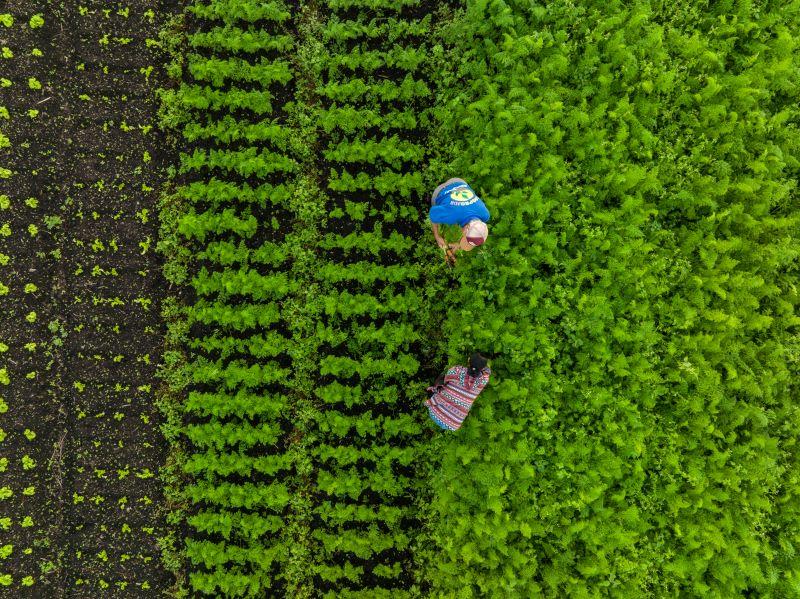
France Pushes SDG 15 To Preserve Terrestrial Ecosystems, Citing 2,268 Threatened Species
Key Takeaways
- SDG 15 aims to preserve and restore terrestrial ecosystems by protecting biodiversity and soils.
- It calls for integrating biodiversity management into national planning and poverty reduction strategies.
- France’s Agenda 2030 highlights SDG 15 as a national priority for ecosystem protection.
SDG 15 and biodiversity
France’s SDG 15 push centers on “Preserve and restore terrestrial ecosystems,” aiming for sustainable management of terrestrial ecosystems by preserving biodiversity and soils and limiting the long-term impacts of natural disasters.
The L’Agenda 2030 en France article says France is “one of the world’s fifteen megadiverse countries,” requiring at least 1% of the world’s endemic vascular plant species, and it places France as the sixth country hosting the largest number of threatened species with “2,268 threatened species” on French territory.

It also links ecosystem pressure to land-use change, stating that “9.1% of French soils were artificialized in 2020 (INSEE),” while warning that invasive alien species are a direct driver of biodiversity loss.
The piece cites the International Union for Conservation of Nature’s global Red List and frames invasive alien species as introduced by humans “whether deliberately or accidentally,” tying them to habitat destruction, overexploitation, and climate change and pollution.
It adds that “half of living species could disappear within a century,” and it points to a possible “sixth mass extinction” after the dinosaur extinction 65 million years ago.
Climate adaptation in Tunisia
In Tunisia’s Kerkennah Archipelago, UN-Habitat and the Municipality of Kerkennah presented the Soumoud project on Friday, April 17, 2026, as part of the flagship RISE UP program to strengthen urban climate resilience in vulnerable territories.
The La Presse de Tunisie article says the Soumoud project targets impacts including “sea-level rise, extreme weather events, floods, and droughts,” and it describes an integrated, data-driven approach using “multi-layer spatial vulnerability assessments” and participatory planning processes.
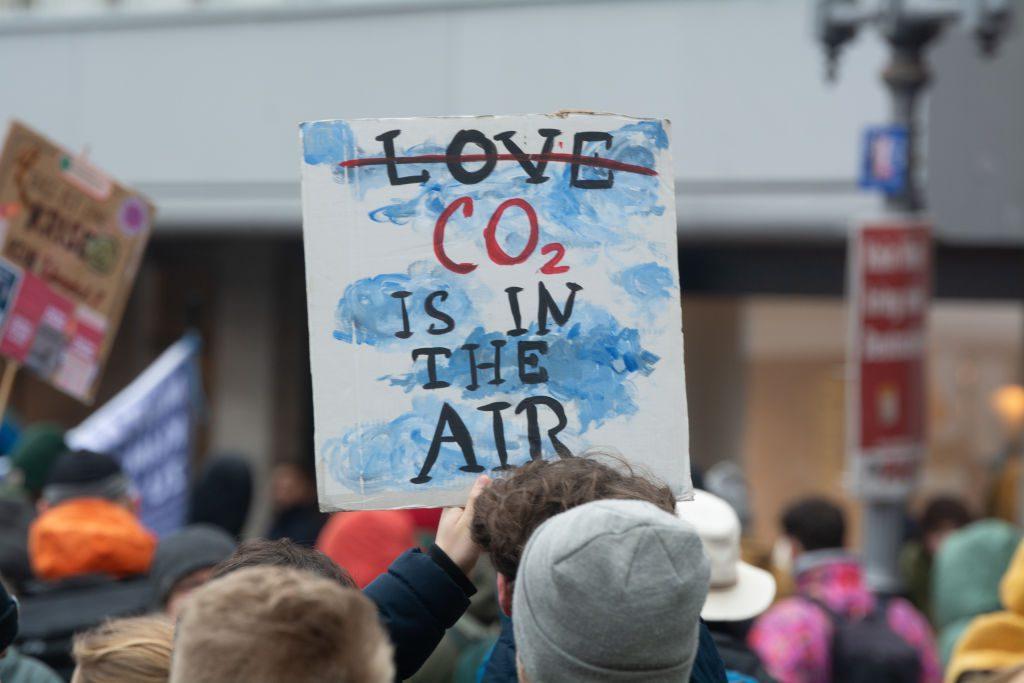
It reports that the diagnostic report titled “Multi‑Layer Vulnerability Assessment” (MVA) established a geospatial database for integrated analysis of climate, urban, and environmental risks, and that an action plan titled “Urban Resilience Action Plan” (URAP) defines a long-term strategic vision for the archipelago.
The event also served as a platform to explore opportunities to mobilize climate finance and partnerships, with discussions emphasizing “multilevel governance, data-driven planning, and strong partnerships.”
UN-Habitat representatives, the article says, stressed turning climate strategies into tangible local interventions, affirming that the Soumoud project demonstrates how data-driven planning and effective partnerships can generate sustainable development opportunities in territories exposed to climate risks.
Food waste, methane, and implementation
At the United Nations, a briefing framed food waste prevention as an evolving climate solution, saying food systems generate “more than one billion metric tons of waste each year” across distribution, retail, food service, and households.
The UN-linked article states that food losses and waste account for “roughly 8 to 10 percent of global greenhouse gas emissions,” and it adds that they are a major source of methane with a short-term impact more potent than carbon dioxide.
It says UNEP and partners launched the Food Waste Breakthrough initiative at COP 30 Belém, Brazil, 10–21 November 2025 to mobilize governments, cities, agrifood companies, and non-state actors to reduce global food waste by half by 2030.
The piece also cites the US Environmental Protection Agency finding that “food waste is responsible for 58 percent of landfill methane emissions alone,” and it positions cities at the center because organic waste in landfills is a principal urban methane source.
In the same UN framing, it ties the work to SDG tracking and policy implementation, noting that UNEP publishes the Food Waste Index Report and that UNEP’s mandate recognizes food losses and waste as a central element of sustainable consumption and production patterns.
More on Technology and Science

Saudi Doctors Successfully Separate Filipino Conjoined Twins Olivia and Gianna in Riyadh
11 sources compared
FDA Advisers Recommend Approving Moderna’s mFlusiva mRNA Flu Vaccine for Older Americans
11 sources compared

Ancient DNA Shows Plague Killed Siberian Hunter-Gatherers Near Lake Baikal 5,500 Years Ago
17 sources compared

Tropical Storm Arthur Moves Inland Near Matagorda County, Texas, Threatening Life-Threatening Flooding
11 sources compared