
France's far-right gains threaten mainstream parties as mayoral vote tests 2027 presidential bid
Key Takeaways
- Paris first-round lead: Grégoire ahead of Dati.
- Far-right gains nationwide, ahead of 2027 presidential race.
- Major cities show RN gains and LFI gains, shifting blocs.
Election Significance
France's municipal elections on March 15, 2026, have emerged as a crucial test for the country's political landscape.
“Turnout, surprises, results”
Far-right gains are posing significant threats to mainstream parties in the lead-up to the 2027 presidential election.
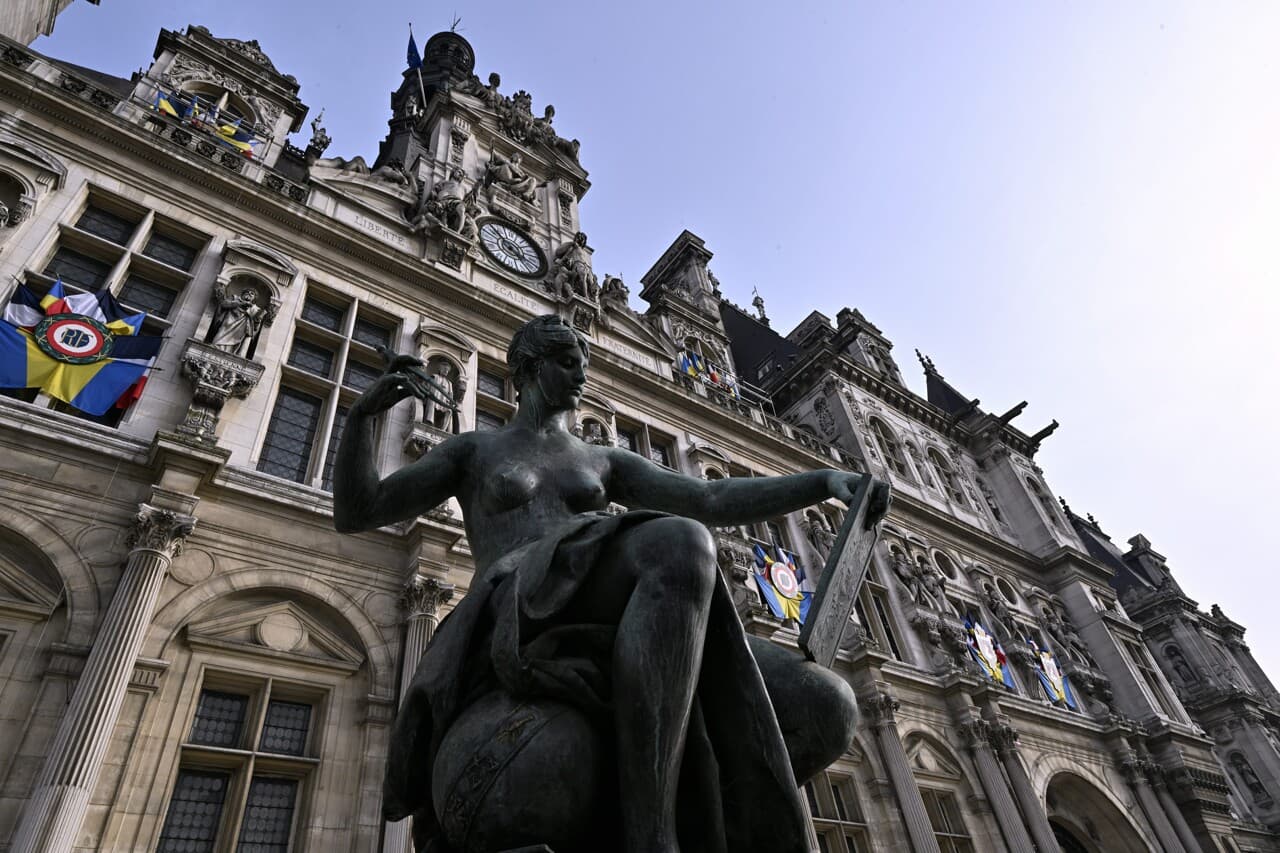
The first round of voting for mayors across 35,000 municipalities was characterized by record-low turnout.
These elections served as an early indicator of how parties might fare in next year's presidential contest.
With President Emmanuel Macron's second and final term ending in 2027, these local elections have taken on national significance.
Particular attention is focused on whether Marine Le Pen's National Rally party continues to gain ground.
The elections involved over 904,000 candidates across France.
Many races are heading to a second round on March 22 as no single candidates secured majority victories in key cities.
Far-Right Advances
The National Rally (RN) has achieved significant breakthroughs in these municipal elections.
The party is positioning itself as a major force in French politics despite historically limited local representation.
RN president Jordan Bardella declared that voters expressed 'a deep desire for change'.
Bardella appealed for additional support in the second round, stating 'Change isn't waiting for 2027. It starts next Sunday.'
The RN has particularly strong showings in key strategic cities.
RN candidate Franck Allisio tied in first-round polls with incumbent Socialist Mayor Benoit Payan in Marseille.
The party also projected strong performances in Toulon and Nice.
RN ally Eric Ciotti secured a projected first-round lead in the Mediterranean city.
These gains mark a significant departure from the party's traditionally weak municipal footprint.
RN currently governs only Perpignan among cities with more than 100,000 inhabitants.
Left-Wide Challenges
France's left-wing parties face significant challenges amid internal divisions.
“The first round of the municipal elections held this Sunday in France has partly cleared one of the major uncertainties of this electoral event with significant implications for the country: whether Paris, governed by the socialists for more than two decades, will pass into the hands of the right led by former Culture Minister Rachida Dati”
These challenges come amid the growing threat from the far right.
The situation creates a complex strategic landscape for the second round.
In Paris, Socialist candidate Emmanuel Grégoire emerged as the clear frontrunner with approximately 36% of the vote.
He was well ahead of conservative former minister Rachida Dati at about 25%.
The left must contend with the surge of Jean-Luc Mélenchon's France Unbowed (LFI) party.
LFI could split the left-wing vote in crucial second-round contests.
Socialist Party leader Olivier Faure explicitly ruled out national alliances with LFI.
Faure stated there would be 'no agreement national entre el Partido Socialista y La Francia Insumisa'.
He also said that 'only the left is in conditions to stop the extreme right.'
Turnout reached record lows at between 56-58.5%.
This represents a 7-point decrease compared to 2014.
The low turnout signals a growing democratic crisis as voters disengage.
Alliance Dynamics
The municipal elections have highlighted complex alliance dynamics.
These dynamics will determine the outcome of key races.

They could potentially reshape France's political landscape for the 2027 presidential contest.
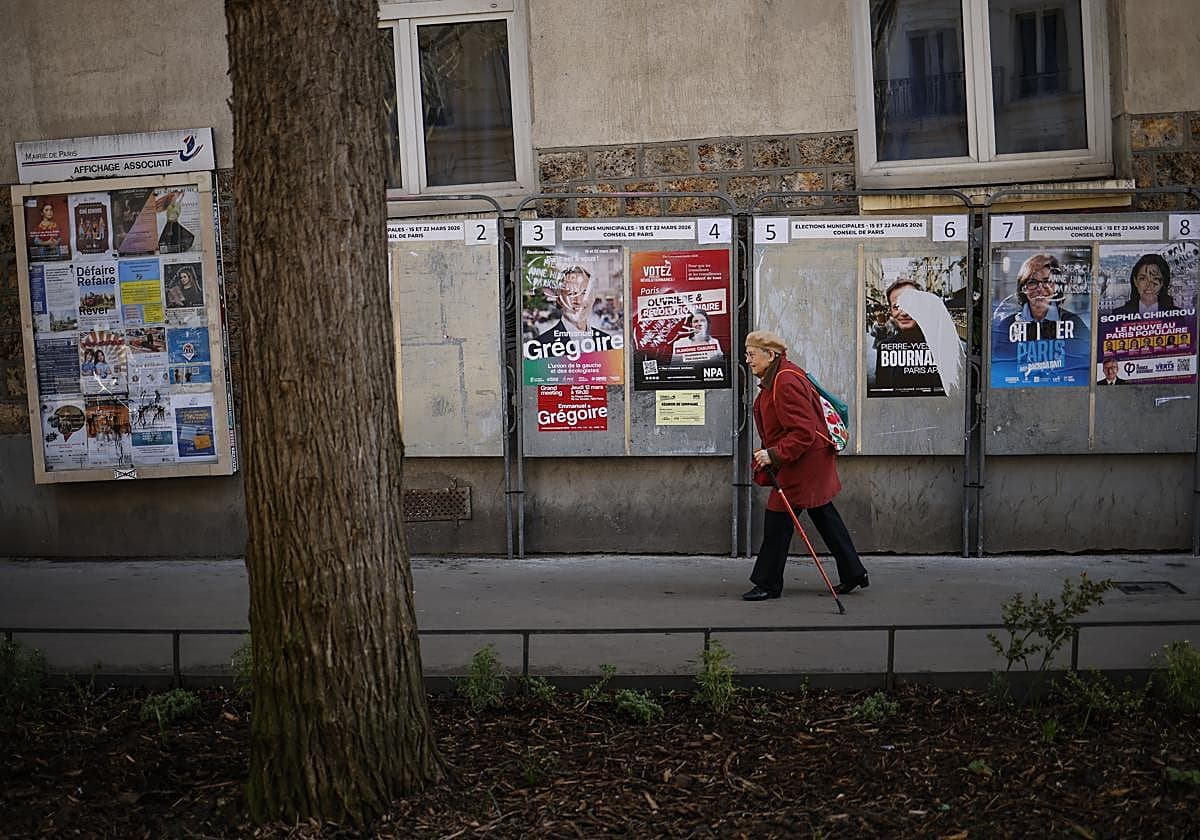
In Paris, the second round could see a four-way race involving Grégoire, Dati, hard-left candidate Sophia Chikirou.
Far-right candidate Sarah Knafo may also be included if she clears the 10% threshold.
Grégoire has ruled out joining forces with Chikirou of the hard-left France Unbowed party.
Dati has repeatedly urged center-right challenger Pierre-Yves Bournazel to rally behind her.
This is to avoid splitting the center-right vote.
In Marseille, the contest between incumbent Socialist Mayor Benoît Payan (38.4%) and RN candidate Franck Allisio (33.6%) is particularly complex.
La France Insoumise candidate Sébastien Delogu (12.3%) and right-wing candidate Martine Vassal (12%) could also be factors.
These intricate negotiations will test traditional political alliances.
They could either strengthen or fragment the left's ability to counter the far-right advance.
More on Europe

Left Leads Paris in First Round as RN and LFI Push Across France
12 sources compared
France's Municipal Elections Test Far-Right National Rally's Strength Ahead of 2027 Presidential Vote
10 sources compared

Muslim group claims responsibility for Amsterdam Jewish school explosion, mayor calls it attack on Jews
23 sources compared

Unknown Attackers Kill French Soldier in Erbil, Macron Says
11 sources compared