
Rasmussen's Moderates Decide Whether Mette Frederiksen Forms Government
Key Takeaways
- Left-wing bloc tops seats but lacks majority.
- Moderates led by Rasmussen hold pivotal balance for government formation.
- Long coalition talks will determine Denmark's next government and leadership.
Election result and governing challenge
Denmark’s Social Democrats, led by Mette Frederiksen, remained the largest single party after the March 24 vote, but their 38 seats were far from a majority.
“Porque los datos también reflejan un escenario fragmentado y abierto”
The left bloc won about 84 seats in the 179-seat Folketing, while the blue bloc totaled 77 and the centrist Moderates held 14.
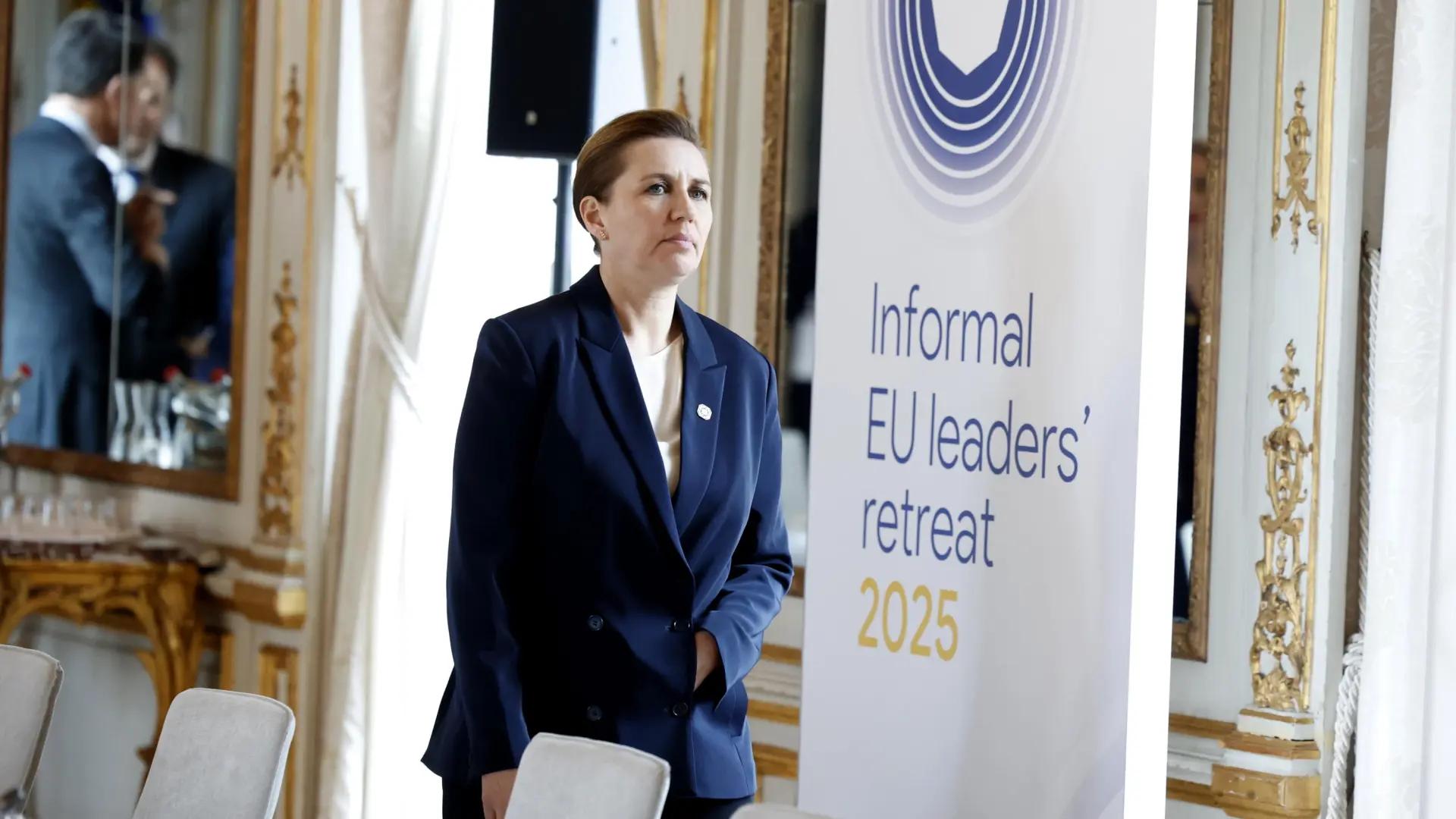
Frederiksen told supporters she was ready to take on the responsibility of serving as prime minister again for the next four years, signaling continuity even in a fractured parliament.
Analysts noted that neither bloc secured a majority, leaving Lars Løkke Rasmussen’s Moderates in the pivotal kingmaker position as talks loom.
Greenland, immigration in focus
Al Jazeera notes that Frederiksen’s centre-left Social Democrats are under pressure over immigration and the cost of living, even as they face a Greenland-related crisis.
France 24 observes that domestic concerns, notably immigration and welfare, dominated the vote despite Frederiksen’s stance on Greenland.
Le Figaro emphasizes that Greenland is central to politics, but voters also raised concerns about immigration and environmental issues tied to agriculture.
20 minutos frames the Arctic/Greenland context as interwoven with broader security concerns and immigration debates.
Moderates as kingmakers
Politico Europe says Lars Løkke Rasmussen will decide who governs Denmark next as kingmaker.
Euronews warns of potentially lengthy coalition negotiations as parties bargain for a majority.
The Guardian presents Rasmussen as a kingmaker, capable of shaping the next government.
France 24 notes that the Moderates will play a decisive role in the post-election talks.
Coalition formation reality
ABC observes that neither bloc has a majority, making minority governments a common feature in Denmark.
PBS notes the indecisive result and the pivotal role of the kingmaker in forming a new government.

Xinhuanet states that talks among party leaders will determine the next government’s formation.
The Straits Times highlights that the left bloc led in votes but fell short of a majority, signaling extended negotiations.
More on Europe

Volkswagen Seeks to Convert Osnabrück Plant to Make Iron Dome Components If Workers Opt In
21 sources compared
Frederiksen seeks to stay as Denmark's prime minister after election amid Social Democrats' decline
13 sources compared
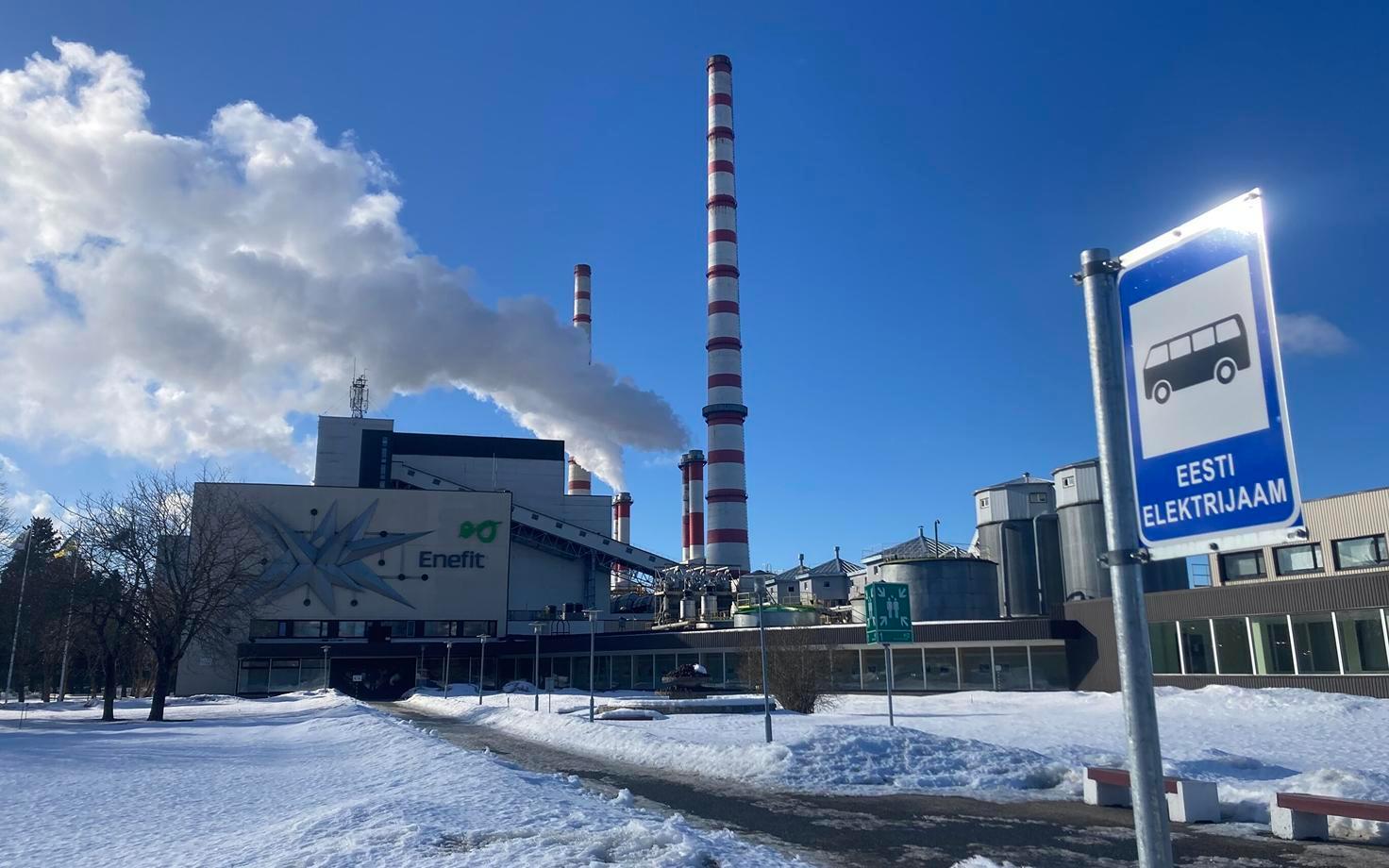
Drones from Russia Enter Estonia and Latvia; One Hits Power Station Chimney, Crashes in Latvia
31 sources compared

Socialists Reel From Turmoil Over LFI Alliances After Municipal Elections
10 sources compared