Frederiksen Loses Ground After Danish Elections; Coalition Talks Loom
Key Takeaways
- Inconclusive election leaves Frederiksen's left bloc short of majority, delaying coalition talks.
- Social Democrats lost ground and failed to form a majority.
- Left bloc holds 84 seats, paving lengthy coalition talks with other blocs.
Election Results and Political Landscape
Danish Prime Minister Mette Frederiksen faced significant political challenges following the recent elections.
“Denmark's Prime Minister Mette Frederiksen suffered an electoral setback as her left-leaning bloc appeared to have fallen short of winning enough votes to form a government after a campaign clouded by U”
Her left-leaning bloc secured 84 seats against the right-wing bloc's 77 seats.

The centrist Moderates party holds 14 crucial seats that could determine the next government formation.
The high 84% turnout reflected strong public engagement in the election.
Neither major bloc achieved a clear majority, forcing complex coalition negotiations.
Frederiksen's Social Democrats experienced a notable decline, losing nearly 6 percentage points from their 2022 performance.
Her Green Left ally secured 11.6% support and the right-leaning Liberals recorded their worst-ever result at 10.1%.
With the Liberals unwilling to join another Frederiksen coalition, her options for securing another term have substantially narrowed.
This could open the door for alternative coalition formations that might lead to a different prime minister.
Frederiksen's Leadership Challenges
Despite her electoral challenges, Frederiksen remains a significant political figure.
She has demonstrated resilience throughout her leadership since 2019.

She became Denmark's youngest-ever prime minister at age 41.
Her seven-year tenure has been marked by navigating multiple crises including the pandemic, international conflicts, and direct confrontations with American leadership over Greenland.
She acknowledged a four percent decline in support during her time in office.
She has positioned herself as a strong leader who can withstand external pressures, particularly from the Trump administration.
Political analysts note that winning three elections in a row is a rare achievement in European politics.
This reflects her ability to maintain political relevance despite facing significant headwinds.
Greenland Geopolitical Dynamics
The Greenland issue played a complex role in the Danish political landscape.
“Frederiksen sale debilitada de las elecciones danesas y se le complica formar el Gobierno El bloque de las izquierdas sumó 84 escaños, frente a los 77 que obtuvieron los conservadores y los 14 de los liberales La socialdemócrata Mette Frederiksen sufrió ayer en las elecciones danesas un pérdida significativa de votos al quedarse en el 21,9%, un 5,6% por”
It served as both a point of geopolitical tension and a potential catalyst for political change.
The territory remained a significant concern for Greenlandic voters.
Greenland's local prime minister Jens-Frederik Nielsen called the election 'the most important in the island's history'.
This was amid fears of US aggression toward the territory.
The issue was less prominent in metropolitan Denmark's campaign.
After Trump's initial threats to annex the Arctic island for national security reasons simmered down, technical talks began on an Arctic security deal.
Tensions remained despite the diplomatic developments.
Frederiksen's firm stance against American takeover attempts enhanced her international standing.
Her warning that it would amount to 'the end of NATO' complicated domestic political dynamics.
Greenlandic parties with different approaches to independence gained prominence.
Kingmaker Rasmussen's Role
As coalition talks loom, the political landscape is complicated by Lars Lokke Rasmussen's influence.
Rasmussen leads the centrist Moderates party and has positioned himself as a kingmaker.
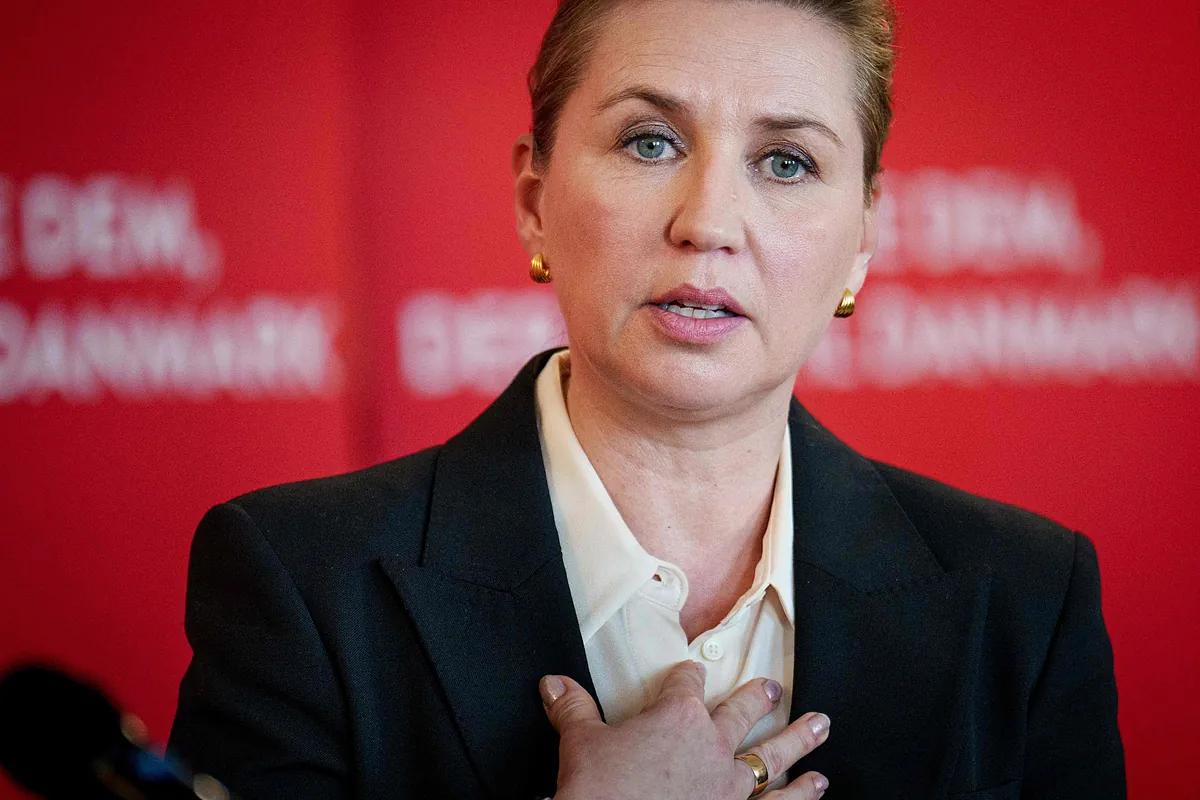
His party's 14 seats make him the most influential figure in the current political deadlock.
Analysts suggest he 'will determine who becomes prime minister in Denmark.'
He has strategically engaged in what's described as an 'arm-wrestling match with Donald Trump.'
This occurred during diplomatic negotiations over Greenland earlier in 2026.
His confrontational approach toward the American administration has set 'a course for Denmark to be on a confrontational path with Donald Trump in the years to come.'
Despite this, his party has campaigned on pragmatic cooperation across Denmark's traditional left-right divide.
Domestic Policy Focus
The Danish election campaign primarily focused on domestic issues affecting citizens' daily lives.
“Dinamarca se asoma a la incertidumbre sobre cuál será el color político de su futuro Gobierno de coalición tras las elecciones generales anticipadas celebradas ayer, en las que el Partido Socialdemócrata de la primera ministra, Mette Frederiksen, fue el más votado, pero al tiempo sufrió su peor resultado histórico”
Clean drinking water, agricultural pollution, and economic pressures took center stage.
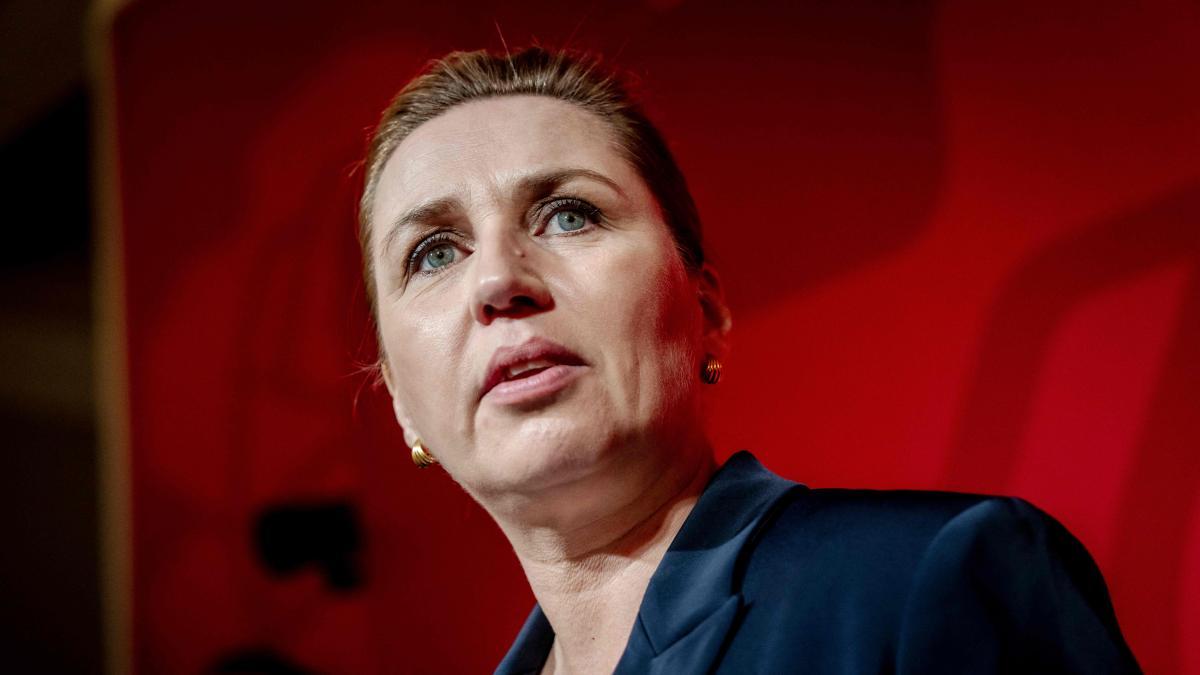
Analysts noted that issues like high nitrate levels in water from agriculture were challenging for Frederiksen's Social Democratic party.
Inflation, the welfare state, and food and fuel prices were significant concerns.
The campaign reflected Danish voters' priorities on quality-of-life issues rather than geopolitical posturing.
This domestic focus created a contrast between metropolitan Denmark's concerns and Greenland's more urgent geopolitical anxieties.
The political landscape facing coalition negotiators is complex.
They must form a government that can address both local and international challenges.
More on Europe

Volkswagen Seeks to Convert Osnabrück Plant to Make Iron Dome Components If Workers Opt In
21 sources compared

Frederiksen seeks to stay as Denmark's prime minister after election amid Social Democrats' decline
13 sources compared
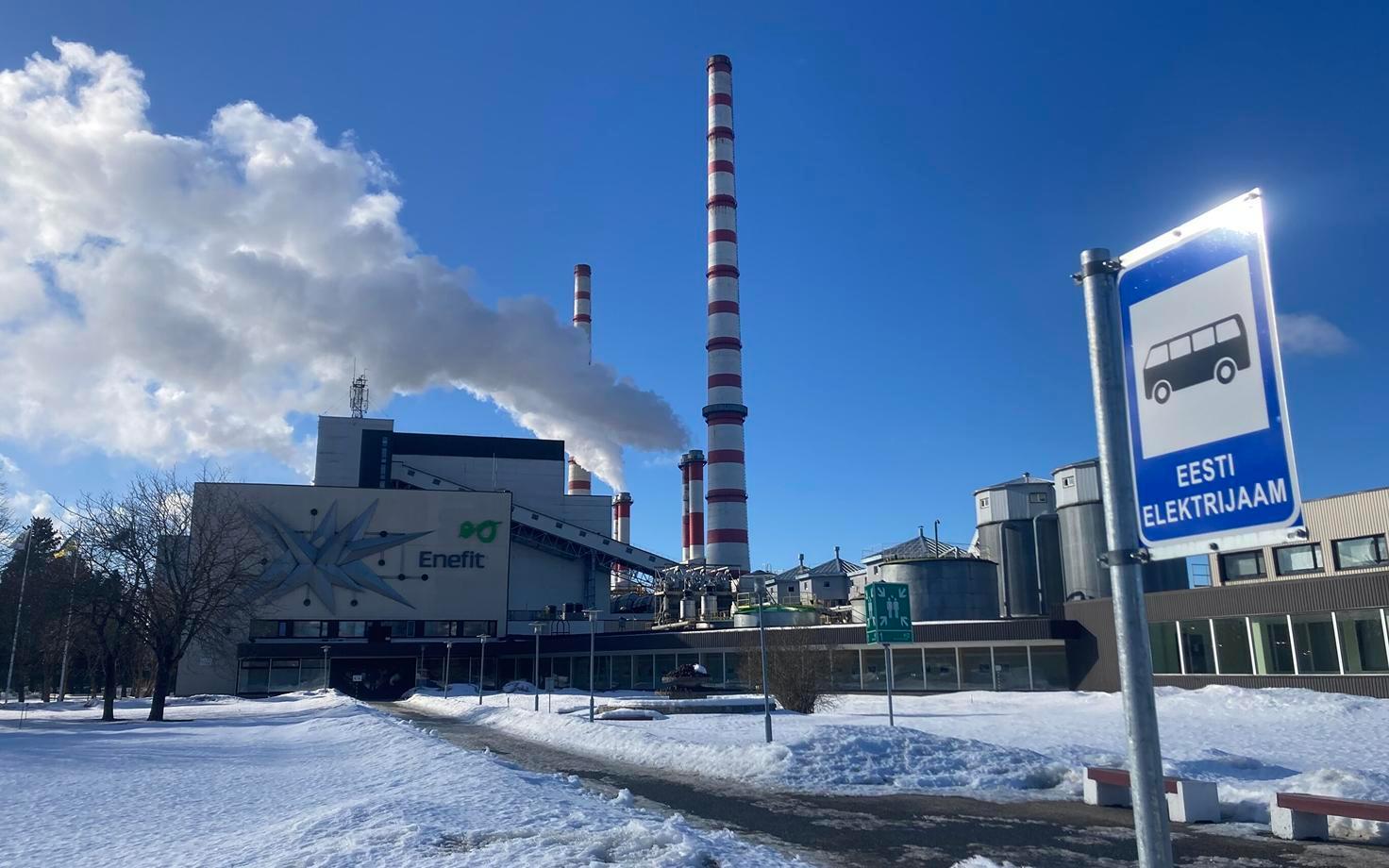
Drones from Russia Enter Estonia and Latvia; One Hits Power Station Chimney, Crashes in Latvia
31 sources compared
Rasmussen's Moderates Decide Whether Mette Frederiksen Forms Government
66 sources compared