
G7 Readies Oil Reserves Release As Crude Nears $120 Amid US-Israel-Iran War
Key Takeaways
- Brent and WTI crude surged above $115–$120 per barrel amid the Iran‑US war
- G7 prepared to release emergency strategic oil reserves to stabilize global markets
- G7 finance ministers convened emergency talks about releasing strategic oil reserves
G7 oil reserve response
G7 officials signalled they are prepared to deploy strategic oil reserves to stabilise global crude markets after prices spiked to nearly $120 a barrel amid the widening US–Israel–Iran conflict.
“G7 readies strategic reserves after oil nears $120 amid Iran war It is the first time oil prices have passed $100 in nearly four years as the key producers in the energy-rich Middle East curb output amid the conflict”
Al-Monitor reports the group said it was "prepared to use strategic oil reserves to stabilize markets if needed after crude spiked to nearly $120 a barrel early Monday amid the widening US–Israel–Iran conflict."

News18 says "G7 finance ministers will hold an emergency call Monday to consider a coordinated release of strategic oil reserves to calm crude markets."
The Reuters snippet provided with these items did not include the main article text.
G7 energy consultation
Ministers planned a coordinated consult with the International Energy Agency.
News18 reported that finance chiefs "will speak with IEA Executive Director Fatih Birol at 8:30 a.m. New York time to assess the war's impact on global energy supplies."

Al-Monitor quoted French Finance Minister Roland Lescure saying the G7 "could draw on International Energy Agency emergency stockpiles but has not yet decided to do so."
Reuters' provided snippet did not include further reporting from the wire on the ministers' call.
Oil price volatility report
Markets showed extreme volatility in oil prices.
Al-Monitor reported that global benchmark Brent briefly hit $119.25 and U.S. WTI reached $119.10 before later easing to about $102 and $101 respectively, and that both contracts recorded their largest single-day percentage jumps on record.
News18 reported that after the initial panic prices eased to about $110 and $107 per barrel from roughly $116 each earlier.
Reuters' snippet in the bundle did not provide confirmed price tables.
Al-Monitor and News18 provide different eased-price figures (about $102/$101 versus about $110/$107), a discrepancy the sources do not reconcile.
Middle East oil shocks
Analysts and the reporting point to concrete supply shocks behind the surge.
Al-Monitor says the rally followed 'a sharp rise last week (Brent +27%, WTI +35.6%) as Middle East producers curtailed output and fighting disrupted transit through the Strait of Hormuz, a chokepoint carrying roughly one-fifth of the world's oil and LNG.'
News18 highlights disruption after 'U.S. and Israeli strikes on Iran that began Feb. 28.'
The Reuters snippet included with these items does not add further corroboration in the provided text.
G7 reserve discussions
Al-Monitor records that President Trump downplayed the price surge on social media, calling it 'a very small price to pay' for global security.
“G7 To Discuss Emergency Oil Reserve Release As Iran-US War Pushes Crude Above $115: Report Following the report, Brent crude prices have eased to $110 a barrel, while WTI crude declined to $107, compared with $116”
Coverage emphasises that the G7 has 'not yet decided' on any release and is actively assessing impact with the IEA.
This underscores lingering uncertainty about both the size and timing of any coordinated reserve drawdown.
The Reuters snippet in the set did not contain further commentary.
More on Iran
US Bombs Military Sites on Iran's Kharg Island
10 sources compared
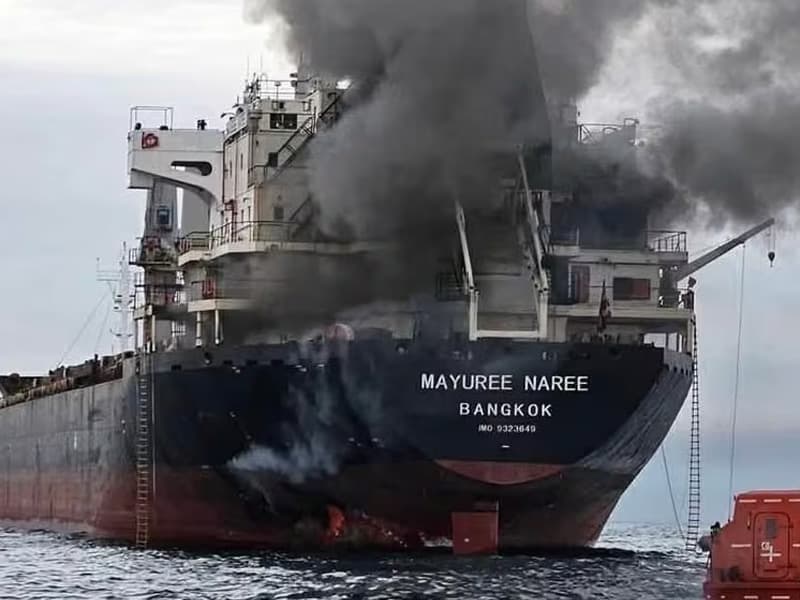
Iran Closes Strait of Hormuz, Chokes Global Shipping and Pushes U.S. Retail Prices Higher
41 sources compared
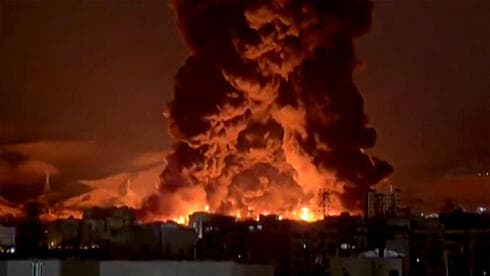
President Donald Trump Orders US Bombing of Iran's Kharg Island, Says Targets 'Totally Obliterated'
18 sources compared
US obliterates military targets on Iran’s Kharg Island, Trump warns
13 sources compared