
GameStop Pledges 4,709 BTC to Coinbase as Collateral for Covered-Call Income Strategy
Key Takeaways
- 4,709 of 4,710 BTC pledged to Coinbase as collateral.
- Not sold; used for a covered-call options strategy.
- Bitcoin stash valued around $368 million.
New collateral-based BTC strategy
GameStop's latest disclosure marks the single most important new development: 4,709 of its 4,710 BTC have been pledged to Coinbase as collateral for an over-the-counter covered-call options strategy, moving the stash from a direct hold to a counterparty-based position.
“GameStop turned its $368 million bitcoin stash into an options income play The video retailer sparked speculations of selling bitcoin after it transferred nearly all its coins to Coinbase Prime in January”
The plan uses short-dated calls with strike prices of $105,000 to $110,000 and expiries through late March to generate premium income while capping upside.

Because the pledged BTC are collateral, GameStop no longer holds the bitcoin directly and now records a receivable representing the right to reclaim an equivalent amount later.
The annual filing shows a $368.3 million receivable linked to the pledged bitcoin, a $0.7 million liability tied to the options, a $2.3 million unrealized gain, and a $59.7 million unrealized loss tied to bitcoin's price move.
Collateral mechanics and accounting
Mechanics of the collateral arrangement put Coinbase into a central role: Coinbase Credit holds the pledged bitcoin and can rehypothecate or redeploy it, meaning GameStop does not own the BTC outright.
As a result, the assets are not classed as directly held; the company records a receivable instead.
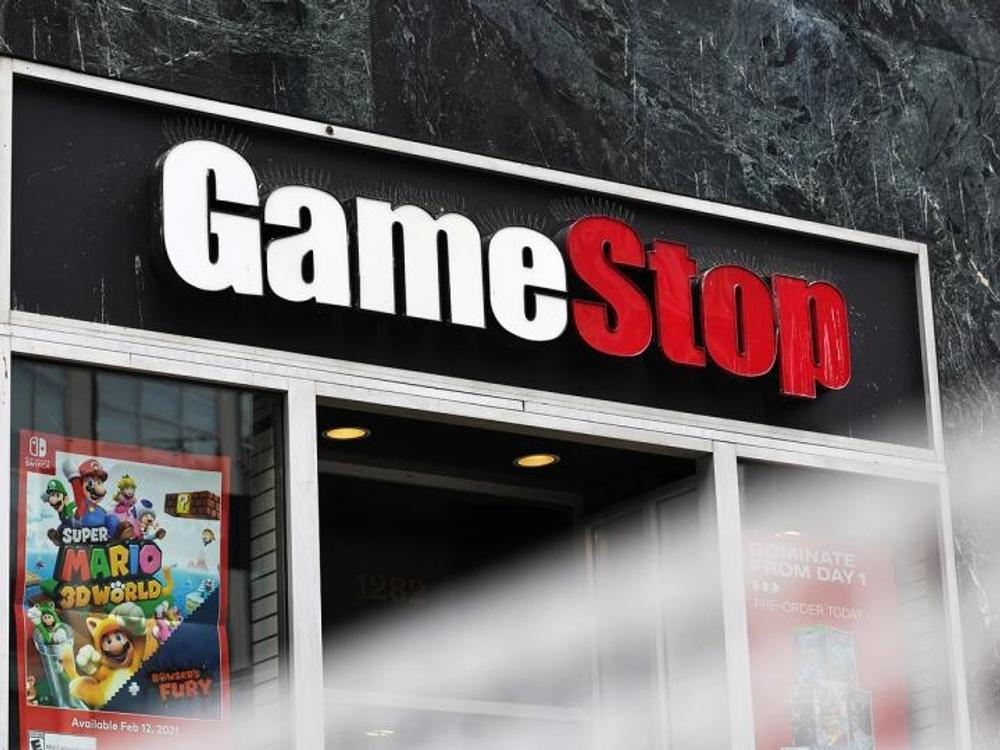
The scale of the position is underscored by receivables linked to the pledged bitcoin being worth about $368.3 million at fiscal year-end.
Plan specifics and risk
The BTC options strategy involves short-dated call options with strike prices between $105,000 and $110,000 and expiries through late March, aimed at generating income from option premiums while capping potential upside gains.
“GameStop's (GME) massive, $420 million bitcoin (BTC) transfer earlier this year was not an exit – but it's not holding the coins anymore either”
A portion of the covered-call contracts expired unexercised, while the related collateral remained with Coinbase Credit, so the structure still leaves the BTC tied to a counterparty rather than fully liquid.
CriptoPeriódico frames this as a shift toward treating Bitcoin holdings as a dynamic asset rather than a simple investment, highlighting the pros and risks of such a yield-driven approach.
Broader implications and context
CriptoPeriódico describes it as turning a reserve into a dynamic income-generating asset, while noting that not all observers see only upside.
The move has been described as corporate crypto-treasury experimentation with potential yield opportunities and risk management implications.
Western outlets frame this as part of a broader institutionalization of crypto-native financial tools, including stablecoins in the infrastructure stack.
More on Finance

Attorney General Nick Brown Sues Kalshi To Shut Down Washington Operations, Compel User Disclosures
14 sources compared
SK hynix Confidentially Files For U.S. ADR Listing To Raise Up To $14 Billion
10 sources compared

CRFB Proposes Cap on Social Security to Slow Trust Fund Insolvency: $100,000 Couples, $50,000 Individuals
15 sources compared

American Senators File Bill to Ban Sports Betting on Polymarket and Kalshi
42 sources compared