Gaza Oil, Spare Parts Shortages Fail Al-Aqsa Martyrs Hospital Generator During Surgery
Key Takeaways
- Oil, gas, and spare-parts shortages cripple Gaza’s critical services, including hospitals and water.
- Hospital generators face outages or collapse due to shortages, risking surgeries and care.
- Bread production and water systems are disrupted by fuel and spare-parts shortages.
Hospitals lose power
In Gaza, shortages of engine oil, spare parts and gas are disrupting critical services and infrastructure, with the backup generator at Al-Aqsa Martyrs Hospital failing mid-surgery last week and surgeons working for nearly half an hour by mobile phone light.
“On a dusty roadside in west Gaza City, Jihad Qasim tunes out the ceaseless rattle of the passing traffic and focuses on his clientele”
Dr Raed Hussein, director of the Al-Aqsa Martyrs Hospital in central Gaza, said, "We issued a distress call after a small generator that we depended on to support the operation of the surgery operating rooms during the morning stopped working," and he explained that when it broke down, the surgical operating rooms had to close because "the available electrical capacity was no longer sufficient to handle the required load."
The Guardian reported that the maintenance being carried was only temporary, warning that there was no availability of the materials needed for a full repair, and it quoted Hussein saying, "What is happening now is ‘patchwork’ maintenance, not real maintenance, because Gaza lacks the necessary spare parts."
Gaza’s civil defence warned that fire and rescue operations are at risk of a complete halt, and the Guardian said it was already only dealing with the most critical emergencies while facing a lack of spare parts for vehicles and restrictions on the entry of firefighting and rescue equipment, fuel and engine oil.
Oil prices and breakdowns
The crisis is also hitting transportation and emergency response as engine oil shortages force vehicles out of service, with the Guardian reporting that one litre now costs about 2,200 shekels (£570) compared with roughly 25 shekels before the war.
Rafiq Hamouda, 52, who repairs engines and vehicles in the al-Mawasi area of Deir al-Balah, told the Guardian, "Today we have seven cars that we have fully repaired, but they remain out of service simply because there is no engine oil available to run them."

To cope, Hamouda said he has started dismantling entire vehicles to use their parts in repairing others, describing it as, "It has become like trying to keep a patient alive on life support."
The Guardian added that the shortage has already led to the breakdown of three firefighting and rescue vehicles and two ambulances, while the BBC described how daily life is governed by the unpredictability of essentials like power and water for Gaza’s 2.1 million residents.
Ceasefire rebuild stalls
Beyond immediate breakdowns, the sources describe a stalled pathway for rebuilding under the October ceasefire terms, with Nickolay Mladenov saying the arrangement is "based on reciprocity" and that "Each step that we suggest to be taken by one side triggers a step to be taken by the other."
“You Browser Working London Working world”
The BBC reported that Israel has withdrawn its troops to a "yellow line," a shifting border marked by yellow concrete blocks that bisects Gaza from north to south, while Hamas has not disarmed, leaving the arrangement stalled.
In the same reporting, the BBC said Israel banned 37 international NGOs from operating in Gaza in December, and it quoted MSF aid worker Craig Kenzie saying, "We end up having to make a lot of the water with reverse osmosis water plants."
The Guardian framed the stakes as a deepening humanitarian crisis, stating that the war has killed about 70,000 Palestinians, displaced more than 1.5 million people and destroyed over 80% of buildings and homes across Gaza, while warning that shortages of engine oil, spare parts and gas are producing one fresh crisis after another.
More on Gaza Genocide
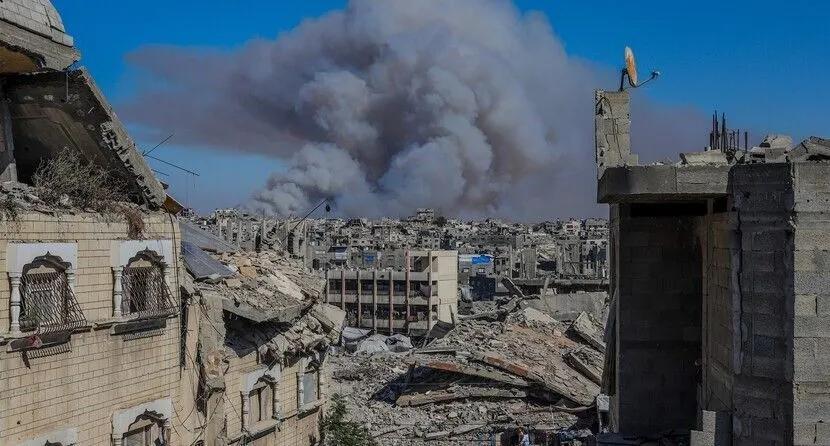
Israel Shells Abu Hussein School in Jabalia, Wounding Five Displaced Palestinians
11 sources compared

Jerry Seinfeld Sparks Backlash After Telling Streamer Palestine “Doesn’t Exist” Outside Madison Square Garden
10 sources compared

UK, Australia, and Canada Launch International Peace Fund for Two-State Solution Between Palestine and Israel
11 sources compared
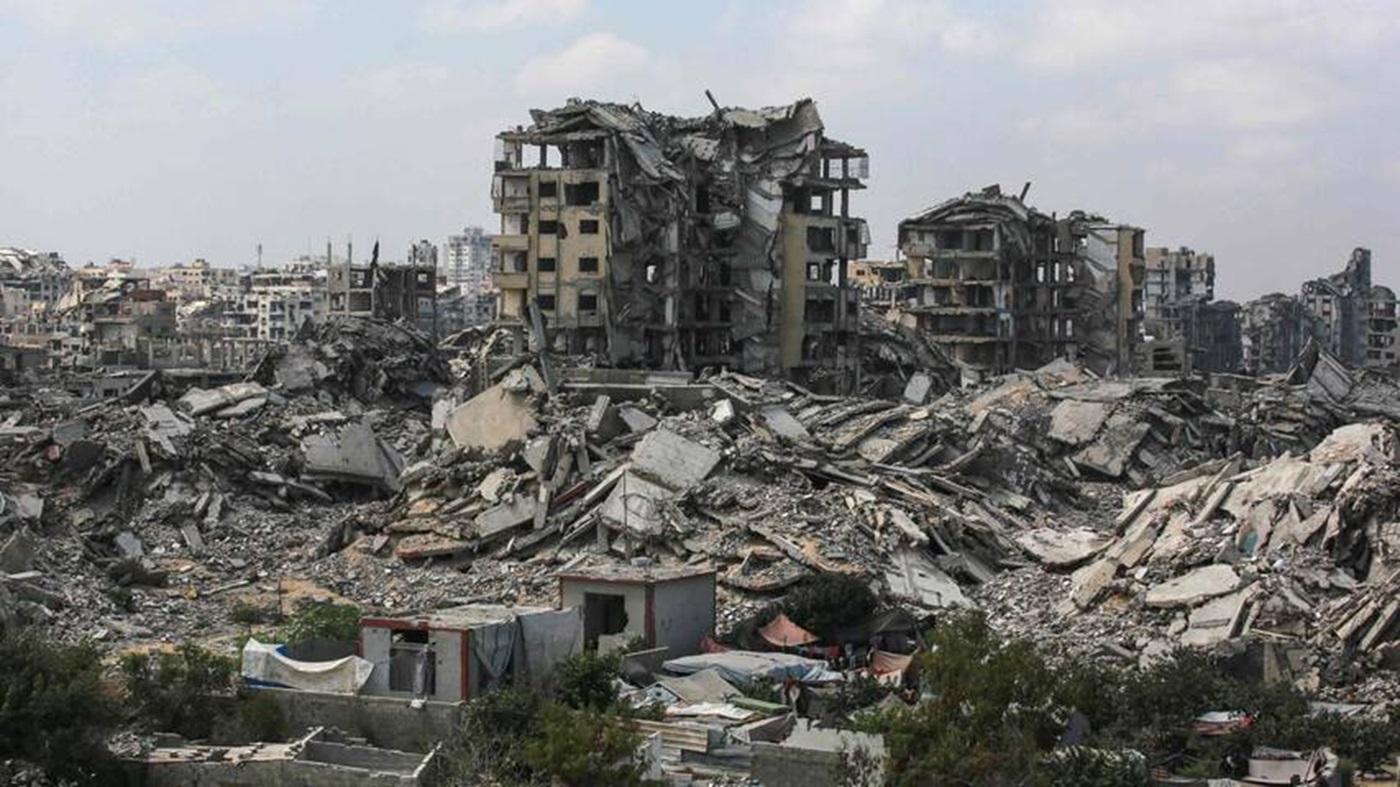
Hamas Partially Accepts Egypt, Turkey, Qatar Proposals for Trump Gaza Plan in Cairo
10 sources compared