Gaza Genocide13 June, 20262 min read
Gaza Pet Owners Face Veterinary Shortages As Only Two Clinics Remain Operational
This article is an automated aggregation of coverage from news outlets. Our editorials offer in-depth analysis curated by the NewsCord team.
Only two pet clinics remain operative across Gaza. Critical veterinary supplies and pet food are running low.
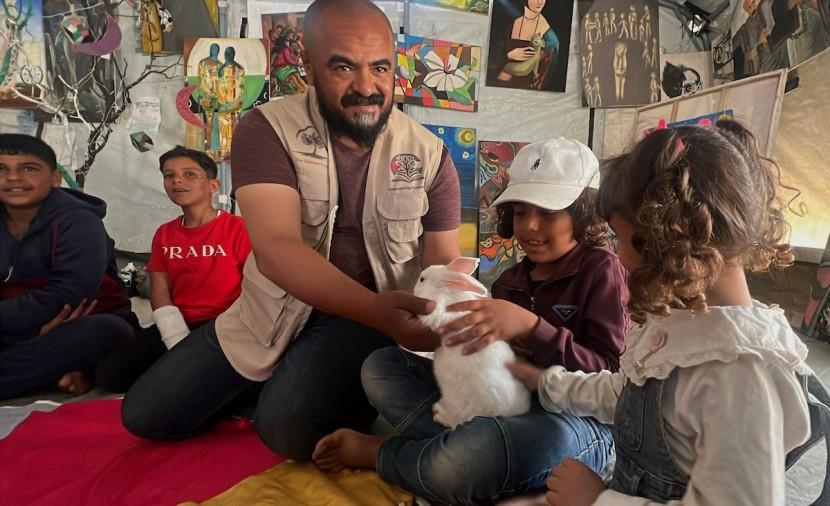
Vet crisis for pets
In Gaza, only two pet clinics remain operational as critical veterinary supplies and animal food run low, leaving pet owners to resort to desperate measures to keep their animals alive and healthy. The AP reports that beyond a few facilities that treat mostly farm animals, just two veterinary clinics for common house pets remain operational across Gaza.
AP says a lack of supplies, medicines and proper food for domesticated animals has led to a rise in deaths, including among pets whose owners, most of them displaced by the war, have abandoned them in the streets. Al Jazeera describes vets warning that animal deaths will rise unless supplies arrive soon, as pet owners struggle to find necessary medical care for their animals.

Desperate measures and warnings
Al Jazeera says animal lovers in Gaza are resorting to desperate measures to keep their pets alive and healthy, with only two pet clinics still operating. The Oz Arab Media account adds that critical veterinary supplies and animal food are running low, prompting pet owners to take desperate measures to ensure their pets’ health and survival.
Modern Ghana’s repost of an Al Jazeera clip similarly states that only two pet clinics are still operating and that critical veterinary supplies and animal food are running low. In the same Al Jazeera framing, vets warn that animal deaths will rise unless supplies arrive soon, tying the immediate shortage to an expected increase in fatalities.

Mental health strain
Beyond veterinary care, The Goal quotes Abdullah al-Khatib, a professor of mental health at Al-Aqsa University, warning of a sharp rise in mental health disorders in Gaza, especially among children and women, due to ongoing war and the accompanying loss of security and privacy. Al-Khatib tells The Goal that many people suffer from anxiety, fear, and depressive symptoms including sadness, fatigue, and a sense of helplessness, along with guilt, and an uptick in behavioral disorders such as anger, excessive attachment, and unusual behaviors.
He stresses that the lack of medicines and psychosocial support hampers recovery and warns that about 70% of the population may be at risk of post-traumatic stress disorder. The Goal also describes Rashid Anbar’s community mental health model as built on closeness, listening, and kindness, in a place that requires people to feel seen and understood above all.