
Gaza Tribes And Families Hold Conference To Foil Sedition Plots, Reject Chaos Calls
Key Takeaways
- Palestinian tribes, clans, and families in Gaza declared national mobilization against sedition plots.
- They organized large-scale public events to counter calls to sow chaos and destabilize peace.
- They reaffirmed rejection of destabilizing civil peace and diverting focus from confronting the occupation.
Gaza unity vs sedition
In the Gaza Strip, Palestinian tribes and families organized large-scale public events in response to suspicious calls to sow chaos and to reaffirm their rejection of attempts to destabilize civil peace or divert the focus from confronting the occupation.
“Montpellier: About 150 people rally in support of Anasse Kazib and denounce the criminalization of support for Palestine”
During a central conference organized by the National Assembly of Palestinian Tribes, Clans, and Families, Dr. Alaa Din Al-Aklouk said: "There will be no place for chaos in our society, there will be no cover for criminals and gangs in our society, and we will not tolerate anyone who threatens the security of the citizens."

He added that the national and ethical responsibility imposes a "decisive stance" based on the rejection of security breakdown and "the mercenary gangs that seek to tamper with the security of citizens."
Al-Aklouk also said the calls of what is called the 'Movement 26/6' do not serve the people's interests, and he framed them as serving the goals of Netanyahu and Smotrich, adding: "And as tribes, we will foil the plan of sedition just as we foiled the displacement plan."
Voices of rejection
In Khan Younis Governorate, elders, mukhtars, reformers, and men of reform organized a large public stand in front of the Nasser Medical Complex to stress the sanctity of national unity.
Mukhtar Abu Ahmed Al-Fajm told the crowd: "We will not tolerate any suspicious movement, prompted by the occupation's mercenary gangs; our people reject the vile and reject the traitors."
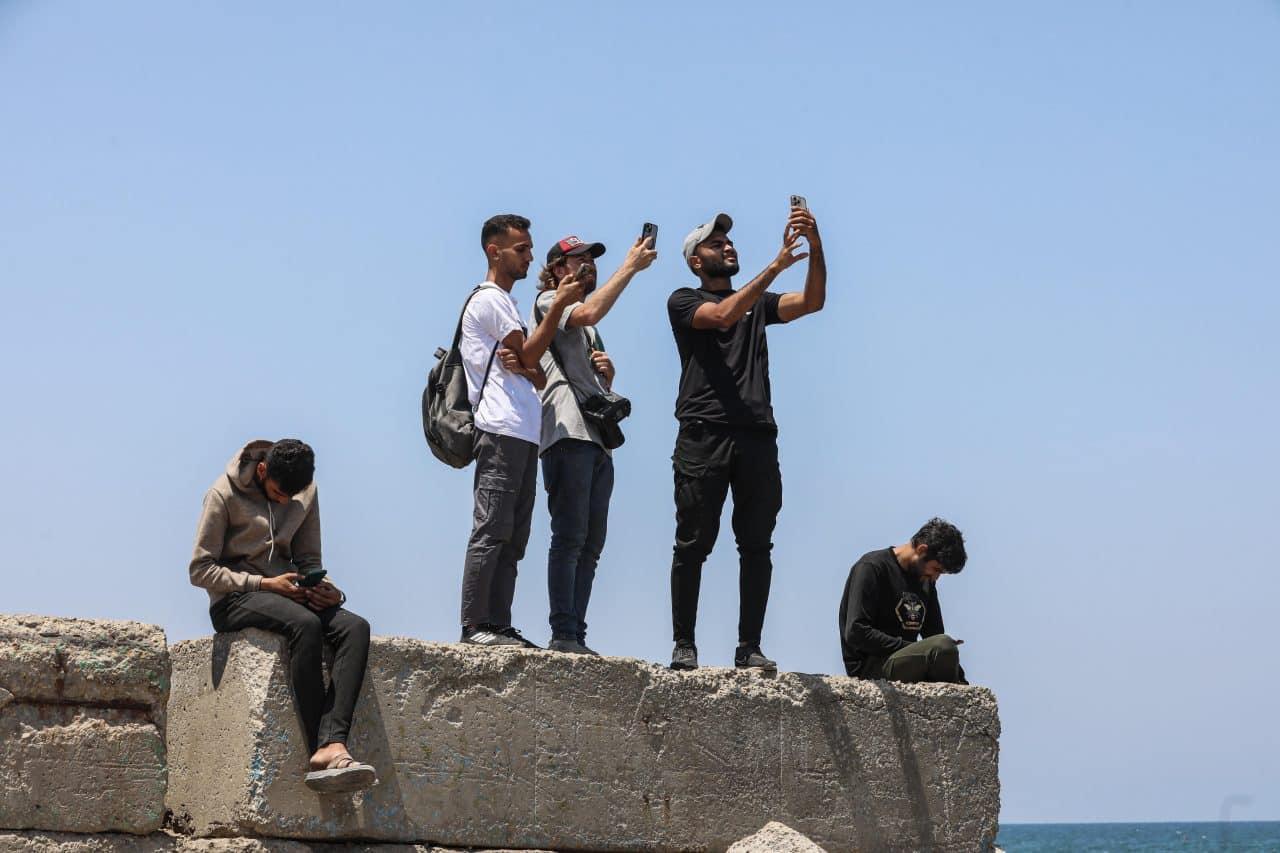
The article also quotes Mukhtar Rashad Hals of the Hals clan saying: "We confirm that our family has never been, and will never be, on the side of sedition."
Mukhtar Abu Fadi Bakr described the so-called Movement 26/6 as "empty nonsense" and said: "The movement should be against the occupation, the main cause of genocide, and we will not accept calls for sedition."
Mukhtar Azmi Dagmash announced the Dagmash family's rejection of the sedition calls scheduled for 26/6, saying: "we reject categorically the sedition calls scheduled for 26/6; our people have suffered for more than a thousand days of genocide and suffering".
War’s reach beyond Gaza
Outside the Gaza Strip, a demonstration in Montpellier drew attention to legal pressure tied to support for Palestine, with about 150 people gathering at Place du Marché aux Fleurs on Tuesday, June 17 in support of Anasse Kazib.
“"Elles étaient une vision fugace dans la nuit”
The rally said Kazib and his comrade would go on trial on Wednesday, June 18 for 'glorification of terrorism' connected to tweets about Gaza and Palestine posted shortly after October 7, 2023, and one speaker told the crowd: "Tomorrow our comrades will face a trial for genocide and colonialism."
The same article states that since October 10, 2024, a circular from the Ministry of Justice stressed the importance of condemning 'hate provocations' and 'glorification of terrorism.'
In a separate reflection on reporting, Tareq S. Hajjaj writes that "Reporting on Gaza is not simply a profession. It is a form of belonging," describing how daily messages, calls, updates, recordings, interviews, photographs, and testimonies keep Gaza emotionally present.
Hajjaj concludes that "Every day that I report on Gaza, Gaza reports back to me — through its people, its streets, its memories, and its wounds — reminding me that while I may be far from the land, the land has never been far from me."
More on Gaza Genocide

Zohran Mamdani-Backed Candidates Sweep New York Democratic House Primaries
16 sources compared

UN Committee Says Israel Deliberately Targeted Palestinian Children in Gaza, Calling It Genocide
26 sources compared
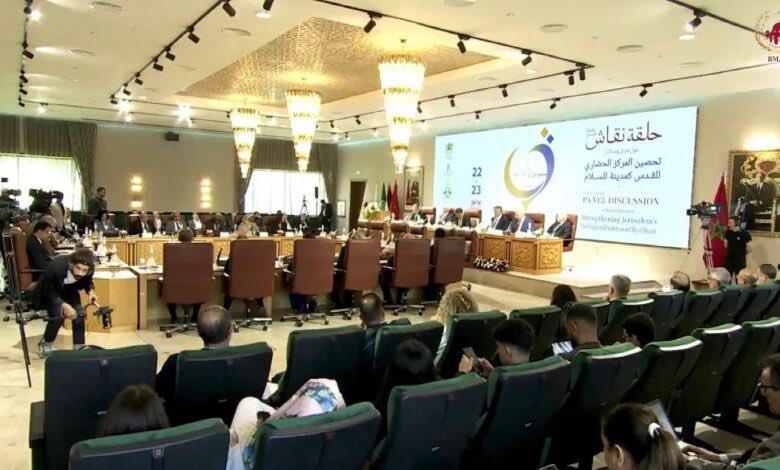
OIC Assistant Secretary-General Dawas Joins Rabat Panel on Al-Quds Global Narrative for Peace
11 sources compared

UN Commission Says Israel Deliberately Targets Palestinian Children in Gaza, Killing Them
37 sources compared