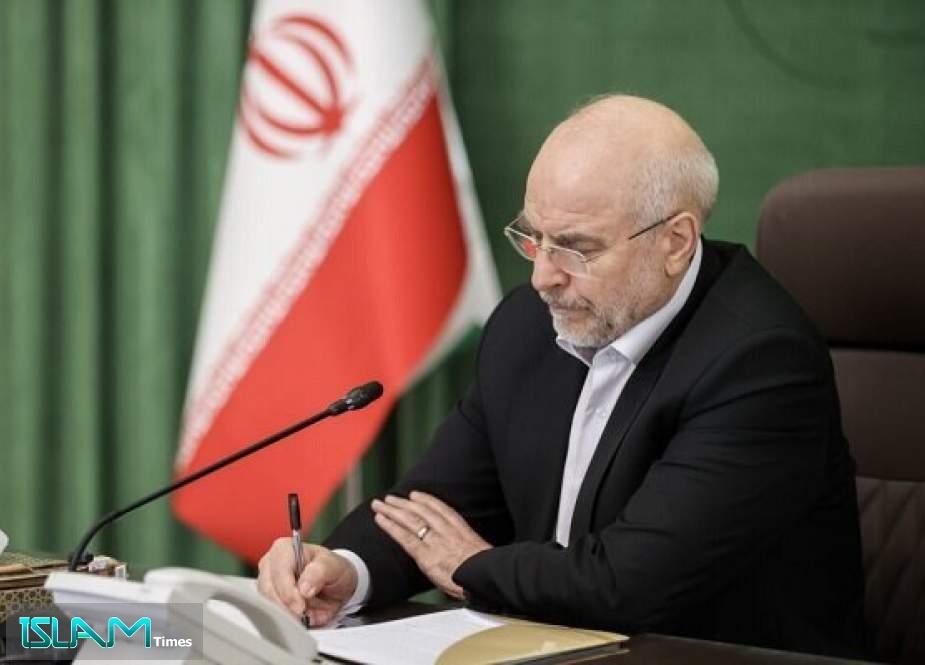
Ghalibaf Warns US Iran Military Will Teach Any Aggressor a Lesson After Trump Rejection
Key Takeaways
- Qalibaf says Iran's armed forces are battle-ready to respond to aggression.
- Iran would deliver a crushing, forceful response to aggression.
- Trump questioned the ceasefire, prompting Iran's warning of a forceful response.
Trump rejects, Ghalibaf replies
Iran warned on Monday that its armed forces were prepared to “teach a lesson” to any aggressor after US President Donald Trump rejected Tehran’s latest counterproposal aimed at preserving the fragile Middle East ceasefire.
Trump, speaking to reporters in Washington, said the ceasefire was on “massive life support” after dismissing Iran’s response to a US-backed proposal as “TOTALLY UNACCEPTABLE”.

Responding to Trump’s remarks, Iranian Parliament Speaker Mohammad Bagher Ghalibaf wrote on X that “Our armed forces are ready to respond and to teach a lesson for any aggression,” and added that “A bad strategy and bad decisions always lead to bad results -- the world already understands this.”
Iran’s foreign ministry said Tehran’s proposal demanded an end to the US naval blockade on Iranian ports and a halt to military operations “across the region”, including Israeli strikes targeting Hezbollah in Lebanon, and called for the release of Iranian assets frozen abroad for years under sanctions.
“They will be surprised”
In a separate account, Iranian Parliament Speaker Mohammad Bagher Qalibaf warned that Tehran was prepared for all possible scenarios and would deliver a forceful response to any attack, after Trump questioned the durability of the ceasefire between Washington and Iran.
Qalibaf wrote on X that “Our armed forces are prepared to respond and teach a lesson in the face of any attack,” and suggested that any hostile action would be met with an unexpected response.
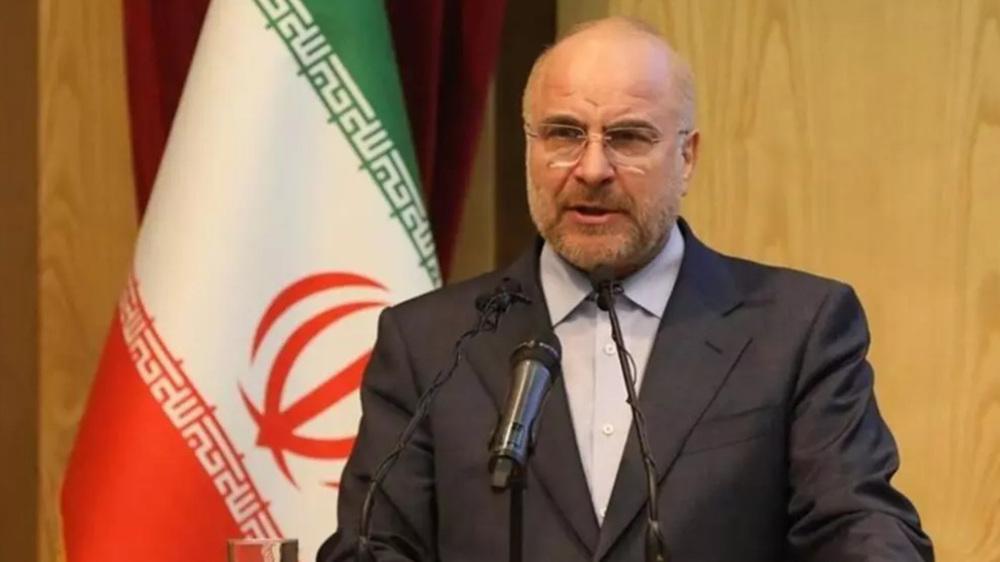
He added, “We are ready for every possibility. They will be surprised,” and criticized what he described as flawed strategic calculations by Iran’s adversaries.
The comments came as the exchange further raised tensions in the region and rattled global energy markets already strained by disruptions in the Strait of Hormuz, according to The Times of India | Asian.
Strait of Hormuz stakes
The standoff intensified concerns over the future of the Strait of Hormuz, where Iran has tightened restrictions on maritime traffic and introduced toll mechanisms for passing vessels, while US officials have warned that allowing Tehran to control the strategic waterway would be “unacceptable”.
“Note: AI technology was used to generate this article’s audio”
Saudi Aramco CEO Amin Nasser said the current disruption represented “the largest” energy supply shock the world had ever experienced, and the United Nations warned that prolonged disruptions could trigger severe food shortages globally due to reduced fertiliser exports from Gulf ports.
UNOPS executive director Jorge Moreira da Silva said the world had only weeks left to avoid a “massive humanitarian crisis,” adding, “We may witness a crisis that will force 45 million more people into hunger and starvation,”.
The conflict has also revived concerns over Iran’s nuclear programme, with Israeli Prime Minister Benjamin Netanyahu maintaining that military operations would continue until Iran’s nuclear facilities were destroyed.
More on Iran

Trump Says US-Iran Ceasefire Is on Massive Life Support After Rejecting Tehran Proposal
30 sources compared
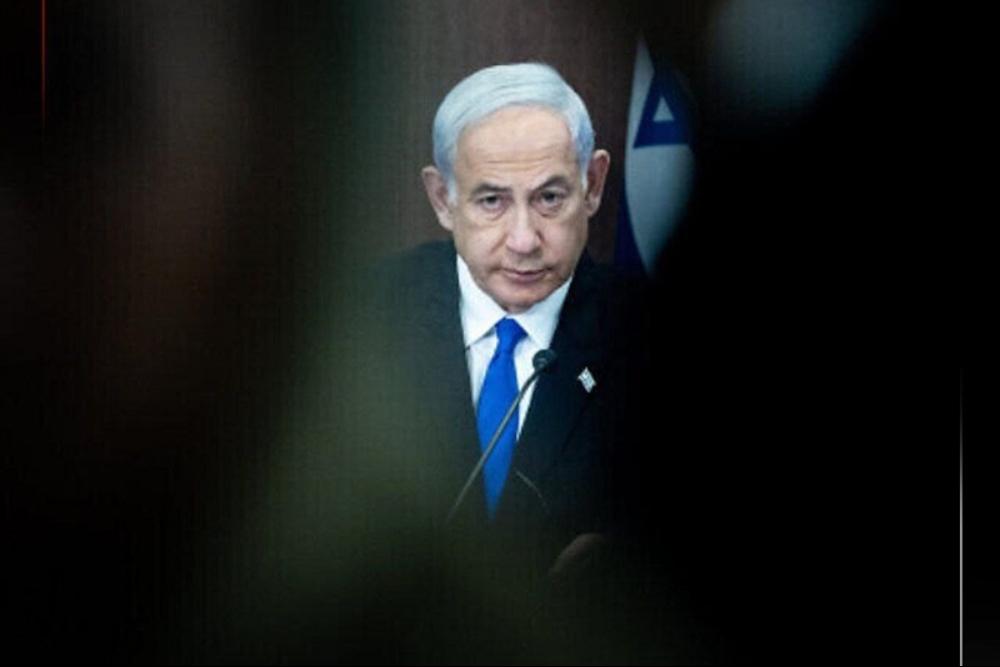
Benjamin Netanyahu Says War With Iran Not Over Until Enriched Uranium Is Removed
17 sources compared
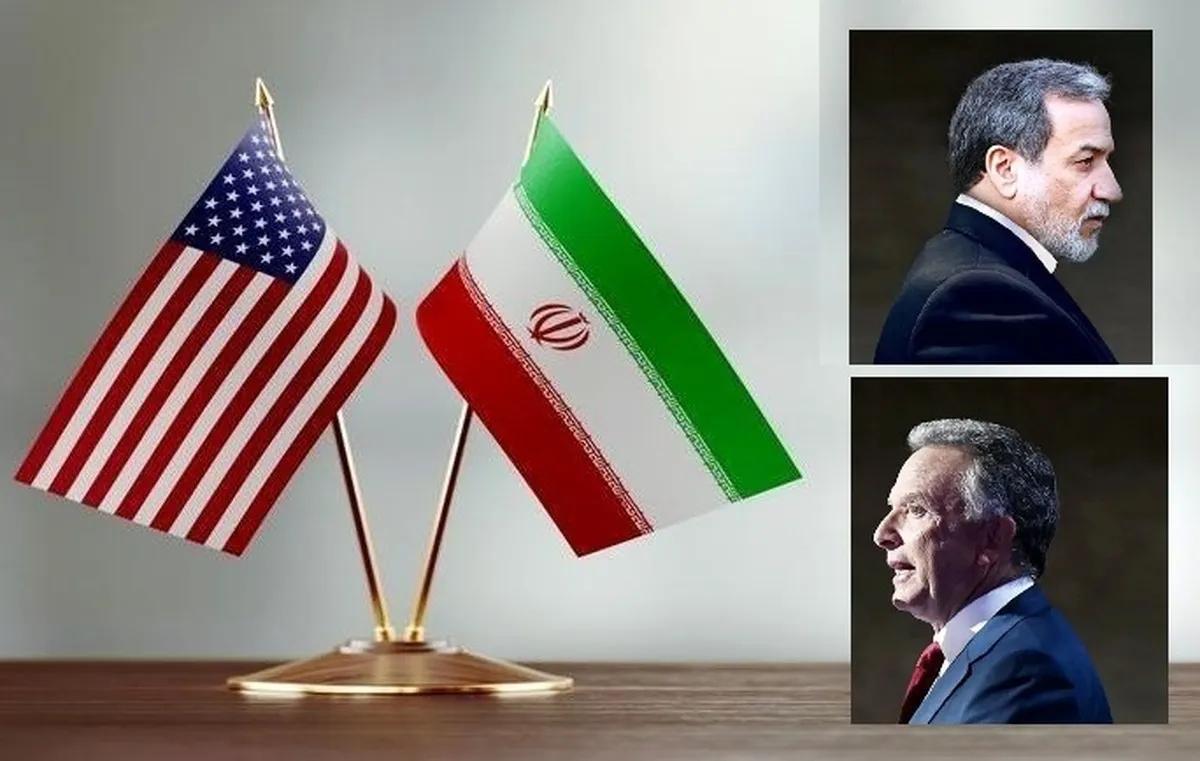
Trump Rejects Iran’s Response to U.S. Peace Proposal as Iran Blocks Strait of Hormuz Ships
14 sources compared
Iran Submits Response To U.S. Ceasefire Proposal Via Pakistani Mediators
30 sources compared