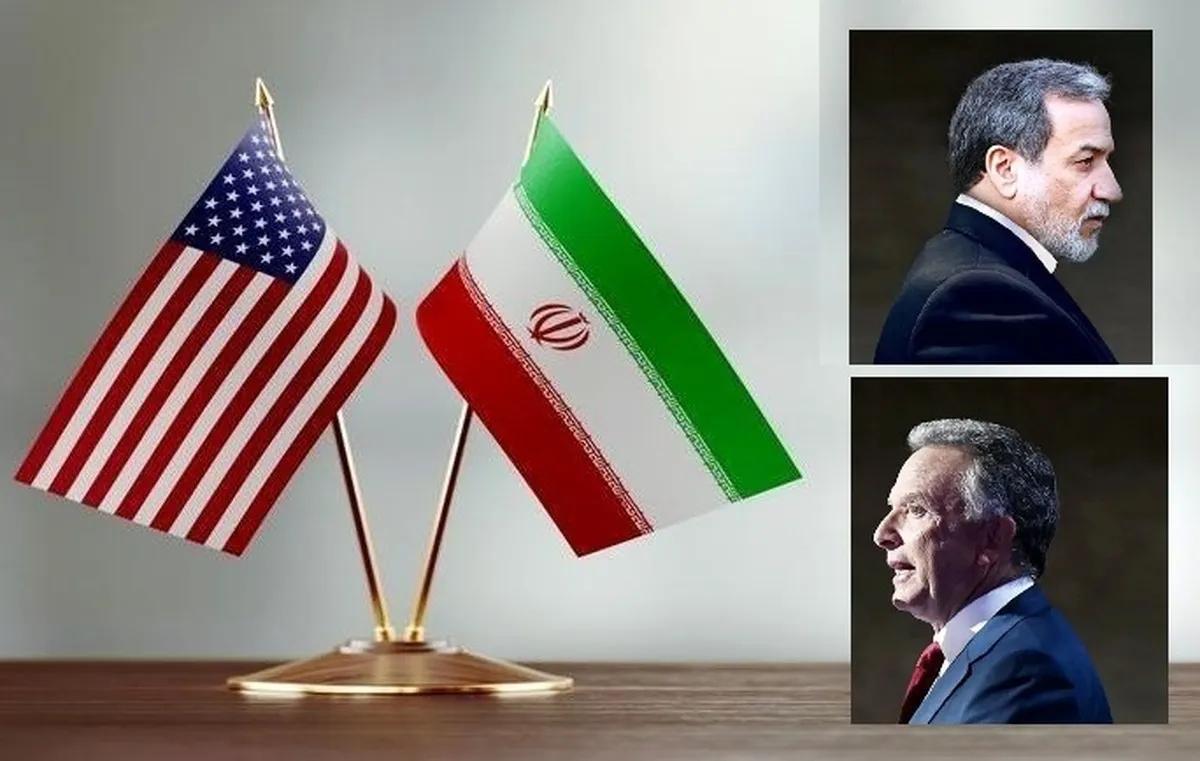
Trump Rejects Iran’s Response to U.S. Peace Proposal as Iran Blocks Strait of Hormuz Ships
Key Takeaways
- Islamabad talks ended without agreement after 21 hours.
- Trump called Iran's response 'totally unacceptable'.
- Iran's reply delivered via Pakistani mediators.
Ceasefire Talks Stall
President Donald Trump rejected Iran’s response to a U.S. peace proposal aimed at ending the war, calling it “TOTALLY UNACCEPTABLE” as both sides continued to hold to a fragile ceasefire.
“Fareed speaks with Danny Citrinowicz, former head of the Iran branch of Israel’s military intelligence, about the key sticking points in a possible peace deal between Washington and Tehran”
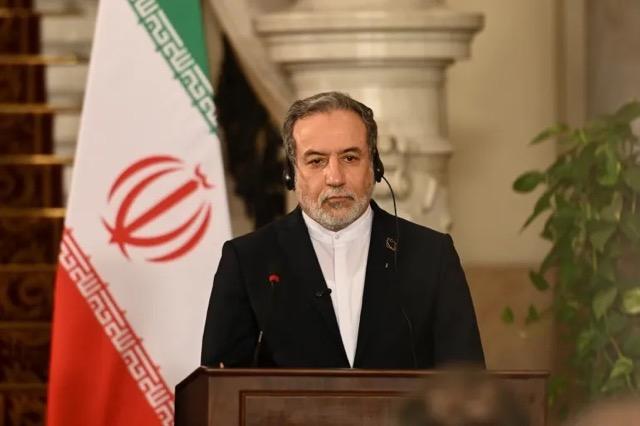
Iran’s Foreign Minister Abbas Araghchi said Friday that “every time a diplomatic solution is on the table, the U.S. opts for a reckless military adventure,” while NBC News reported the U.S. was still waiting for a “clear resolution” from Iran on its latest proposal.

NBC News said Iran has continued to block ships from passing through the Strait of Hormuz, disrupting critical Gulf oil supplies and prolonging global economic uncertainty.
The Jerusalem Post reported that Iran’s response was submitted to Pakistani mediators, with Tehran’s official news agency IRNA saying the negotiations were focusing on “ending the war in the region.”
What Iran Demands
Iran’s proposal, as described by the Jerusalem Post, placed a ceasefire in Lebanon and lifting restrictions on Iranian oil exports at the center of any future understanding with Washington, and it reportedly called for a 30-day negotiating period after the current regional conflict ends.
The Jerusalem Post also said an Iranian official told Al Jazeera that Tehran’s response had been delivered in a “positive and realistic manner,” emphasizing that Iran seeks an end to the war “across the region, especially in Lebanon,” alongside a resolution of disputes with Washington.
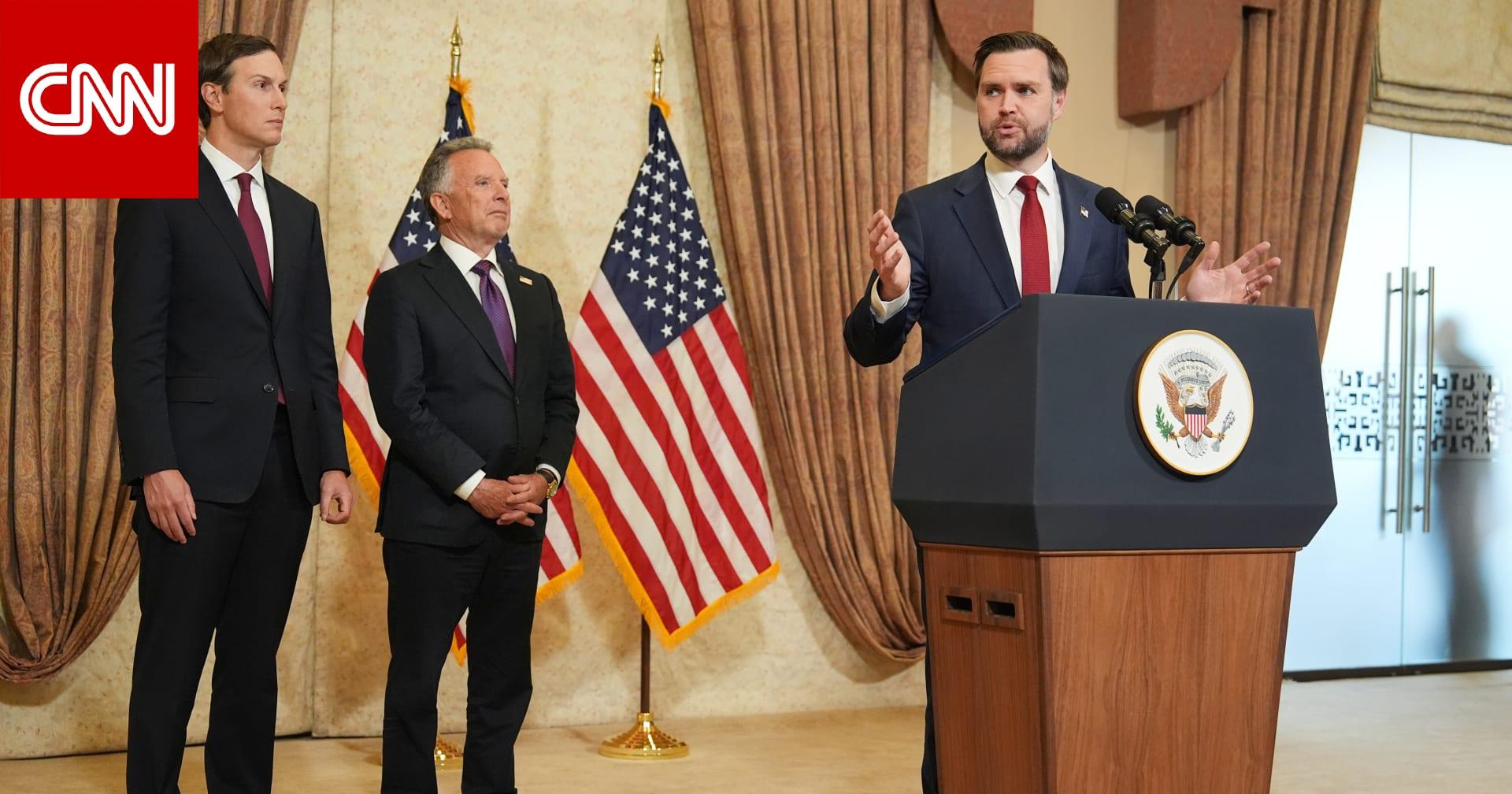
In parallel, the Wall Street Journal reported that Iran’s response “does not meet the US demands regarding its nuclear program and enriched uranium,” including a reported proposal to dilute its enriched uranium stockpile and transfer part of it to a third country that is not the United States.
France 24 reported that a senior White House official said Iran’s ten-point ceasefire plan published by Iran is not the same set of conditions the United States agreed to to stop the war, describing the circulated document as “not the actual framework.”
Strait of Hormuz at Risk
The Independent reported that Israeli Prime Minister Benjamin Netanyahu said the war “is not over” and pointed to “enrichment sites that have to be dismantled,” “proxies that Iran supports,” and “ballistic missiles that they still want to produce.”
“The White House: Iran's ten-point ceasefire plan does not match Washington's conditions to halt the war”
NBC News said the U.S. plan proposes a pause in fighting while officials hammer out a permanent peace plan, and it requires Iran to reopen the Strait of Hormuz for a month-long period, which the outlet described as “one of Iran’s strongest tools of leverage.”
USA Today reported that Iran’s proposal included an emphasis on Iranian sovereignty over the Strait of Hormuz, while NBC News said Iran has continued to block ships from passing through the strait, disrupting critical Gulf oil supplies.
USA Today added that after the United States and Iran failed to agree on the peace proposal on May 10, oil prices jumped $3 a barrel, with Brent crude rising $3.18 to $104.47 and U.S. West Texas Intermediate up $3.09 to $98.51, as the negotiations continued under a fragile ceasefire.
More on Iran
Iran Sends Response to US Proposal via Pakistan, Trump Calls It Totally Unacceptable
19 sources compared
Trump Rejects Iran’s Response To U.S. Peace Proposal As Two Ships Pass Strait Of Hormuz
10 sources compared

Iran Demands 10-Point Visa And Security Conditions For 2026 World Cup Participation
14 sources compared

Donald Trump Rejects Iran’s Response to U.S. Proposal Delivered via Pakistani Mediators
33 sources compared