
Trump Threatens Iran Strikes as Gulf Diplomacy Intensifies
Key Takeaways
- Trump threatened to destroy Iran's power plants and bridges if Hormuz remains closed.
- 8 p.m. ET deadline to reopen Hormuz set by Trump amid ongoing negotiations.
- Indirect talks mediated by Pakistan continue as Iran pauses direct diplomacy with the United States.
Deadline and Retaliation
President Trump imposed an 8 p.m. deadline for Iran to reopen the Strait of Hormuz.
“In an early Easter Sunday post on Truth Social, President Donald Trump threatened to target Iranian infrastructure, including power plants and bridges”
Trump said a whole civilization will die tonight if Iran did not comply.

Iran's parliament speaker warned reckless moves would burn the region.
Iran called on young people to form human chains to protect power plants.
US-Israeli strikes intensified on Iranian infrastructure and oil exports.
Gulf Diplomacy in Action
Pakistani Prime Minister proposed a two-week ceasefire to allow negotiations.
Trump acknowledged being in heated negotiations but gave no details.

Sources told CNN some good news was expected soon.
Pakistani Foreign Minister was calling regional stakeholders in a rush of diplomacy.
The US-Israel strikes came even as diplomatic efforts intensified.
Legal and Human Costs
Trump's threats to destroy civilian infrastructure could constitute war crimes.
Iran's UN representative called the threats incitement to war crimes and potentially genocide.
The Council on Foreign Relations noted a major shift to pursuing regime change.
More than 3,400 people have been killed across the Middle East since the strikes began.
Media coverage struggled to balance pressure with scrutiny.
More on Europe
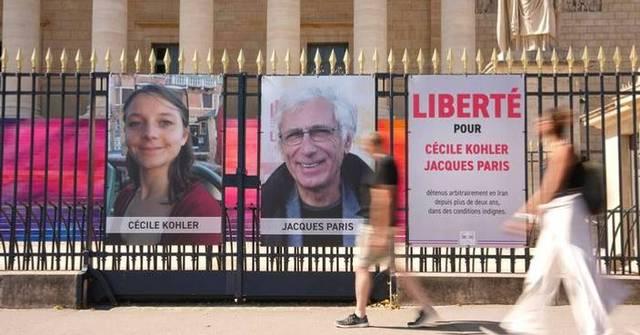
France Secures Release of Kohler and Paris After 3.5 Years in Iranian Detention
24 sources compared

French TGV Maches Army Convoy Near Paris
32 sources compared

Gunmen Attack Israeli Consulate in Istanbul; One Killed, Two Captured
69 sources compared
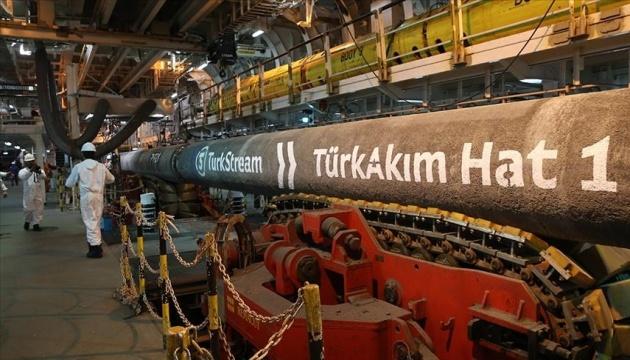
Explosives Found Near TurkStream Pipeline Ignite Hungary-Serbia-Ukraine Tensions
33 sources compared