
Global Markets React as Iran War Spurs Oil Surge and Economic Worry
Key Takeaways
- Global oil prices rise above $110 per barrel due to Hormuz tensions.
- Strait of Hormuz disruption threatens global economy and long-lasting oil-driven inflationary costs.
- Markets display volatility and caution; traders and banks craft hedges amid risk.
Market Volatility
Global markets showed strained reactions with US stock futures turning negative.
The Dow plunged 408 points while crude surged above $115 per barrel.
Goldman Sachs hedge fund head said traders are dealing with multiple scenarios.
Wall Street desks are preparing for starkly different outcomes.
The Atlantic Council described the campaign as a high-risk gamble.
Oil Surge and Economic Fallout
Crude prices jumped with US crude above $115 per barrel.
The Guardian framed the risk as a double-edged sword.

JPMorgan CEO warned the conflict could keep inflation elevated.
Analysts warned reaching $200 per barrel was not unlikely.
Moody’s Analytics raised recession probabilities to 48.6%.
Iran's Resilience and Regional Uncertainty
Iran's regime remained resilient despite intensive strikes.
“Jamie Dimon, the chief executive of JPMorgan Chase, warned that the war in Iran could trigger shocks in oil and commodity markets, which could keep inflationary pressures elevated and push interest rates to levels higher than current market expectations”
Iran's decentralized doctrine allows continued operations.
The war seemed to strengthen hardliners.
Experts warned regional powers must avoid power vacuums.
Italian Defense Minister warned the conflict could escalate to a nuclear level.
More on Iran
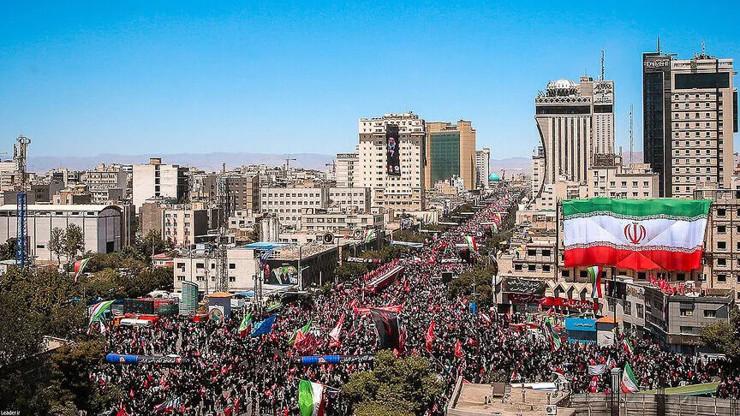
Israeli Strike Kills Ayatollah Ali Khamenei, Buried at Imam Reza Shrine in Mashhad
19 sources compared
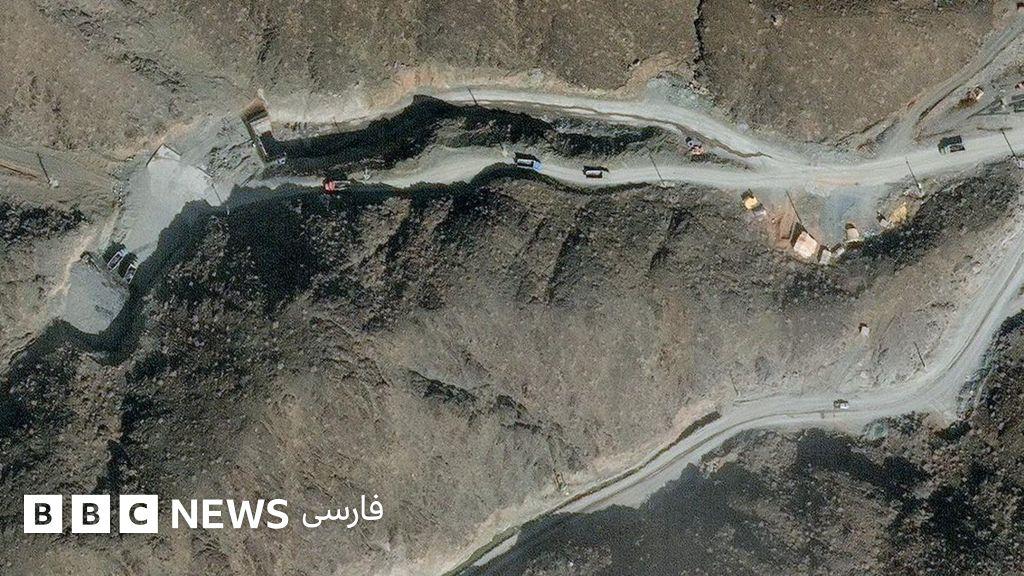
Iran Attempts To Restore Nuclear Sites Damaged In US And Israel Strikes, CNN Satellite Images Show
15 sources compared
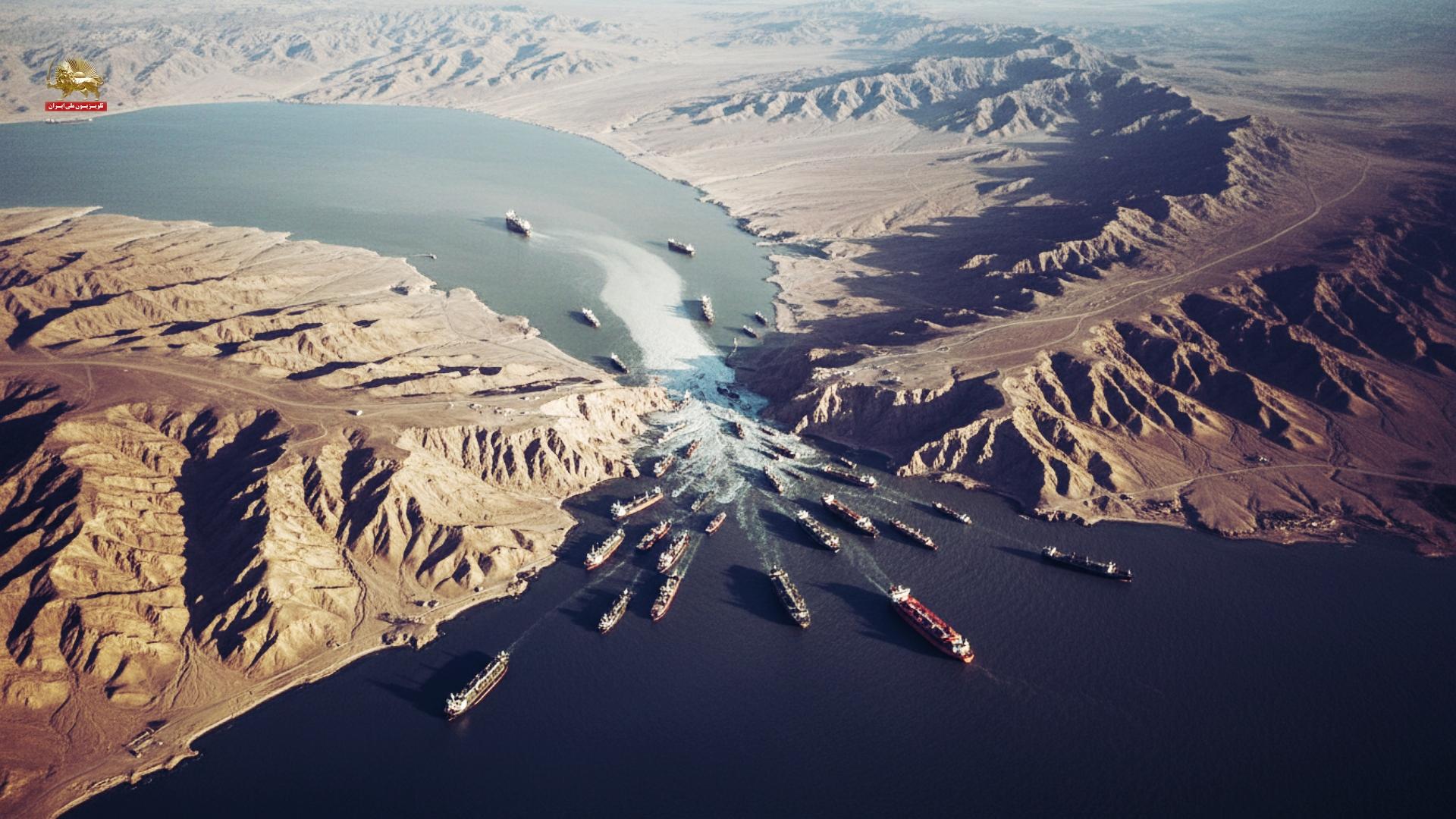
Abbas Araghchi and Prince Faisal Bin Farhan Discuss Regional Developments After US Attacks
11 sources compared

Trump Says U.S. Agreed to Continue Iran Talks, Ceasefire Is Over
19 sources compared