Iran13 April, 20262 min read
Trump Orders US Naval Blockade of Iranian Ports in Strait of Hormuz
U.S. blockade of Iranian ports in Hormuz began Monday at 10:00 a.m. ET. China described the blockade as dangerous and irresponsible, warning it could undermine a fragile ceasefire.
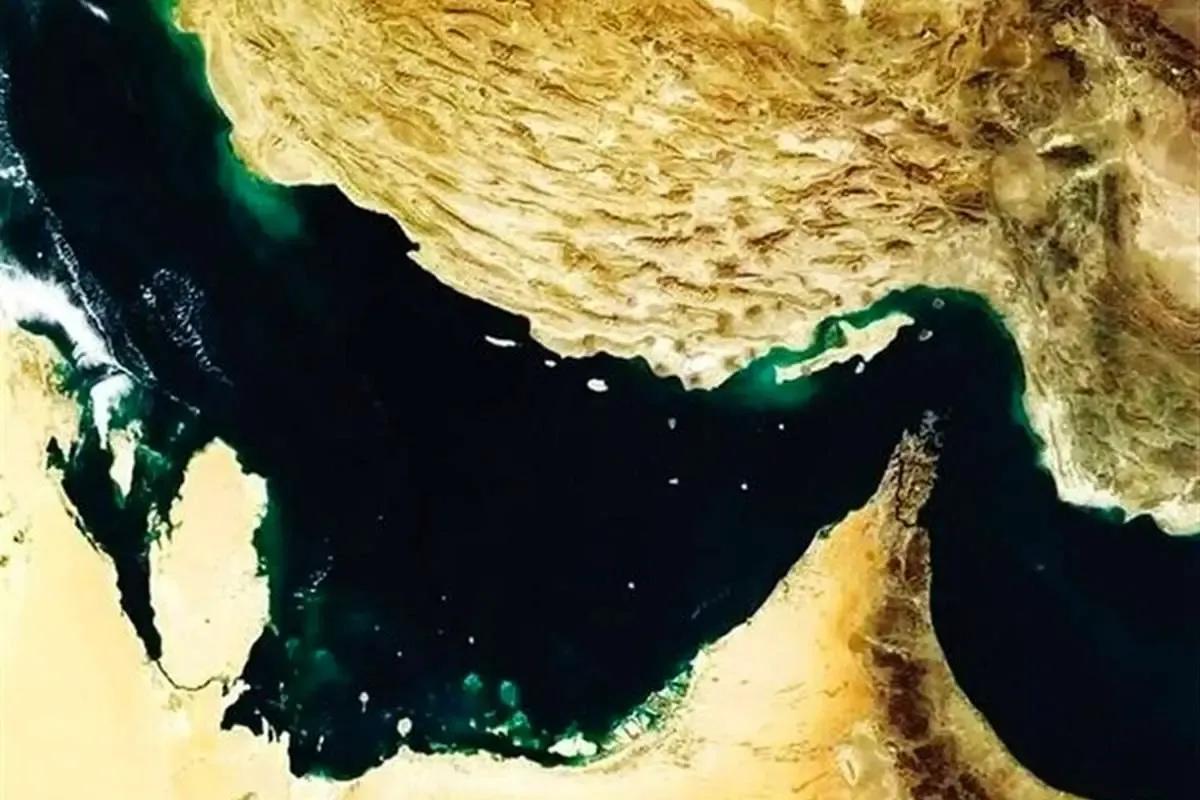
US Blocks Iranian Ports
President Donald Trump ordered a US naval blockade of Iranian ports in the Strait of Hormuz after peace talks with Tehran collapsed.
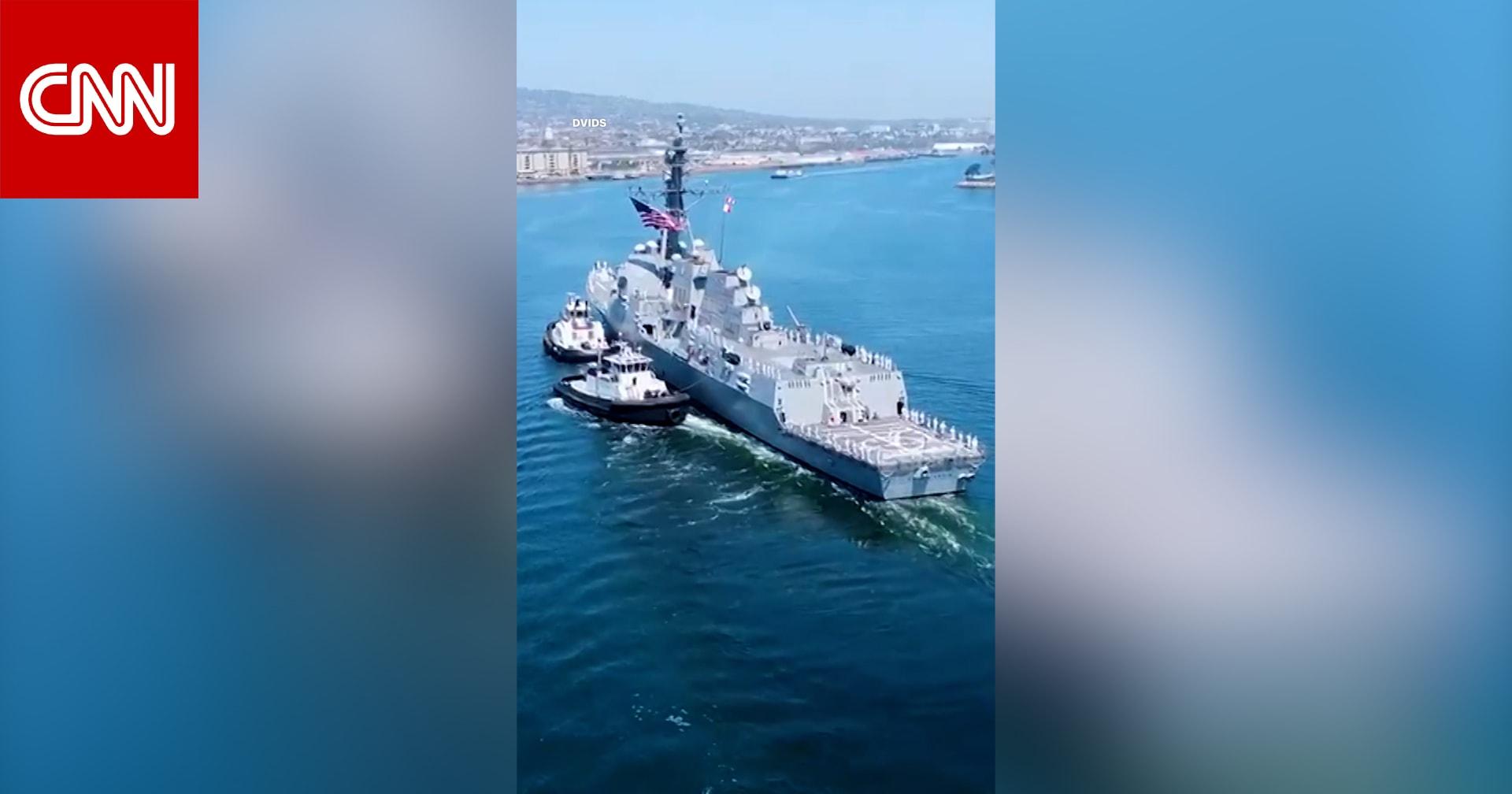
The blockade took effect on Monday at 10 a.m. ET, with US Central Command deploying about 10,000 service members and 15 warships.

The move came after Iran effectively closed the strait on March 29, allowing only vessels from countries it considers friendly, such as China, to pass.
Trump wrote on Truth Social that other countries will be involved with this blockade, though no allies had agreed to participate.
The blockade is designed to prevent ships from entering or leaving Iranian ports, not to stop transit through the strait to non-Iranian destinations.
China Condemns Blockade
China condemned the US blockade as dangerous and irresponsible. Chinese Foreign Ministry spokesperson Guo Jiakun urged all parties to abide by the ceasefire and restore normal navigation. Chinese state media described the blockade as a blockade in response to a blockade.
Trump threatened to impose a 50% tariff on Chinese goods if military assistance was provided to Tehran. The blockade raised concerns about maritime safety and global trade.
Iran-Linked Ships Transit
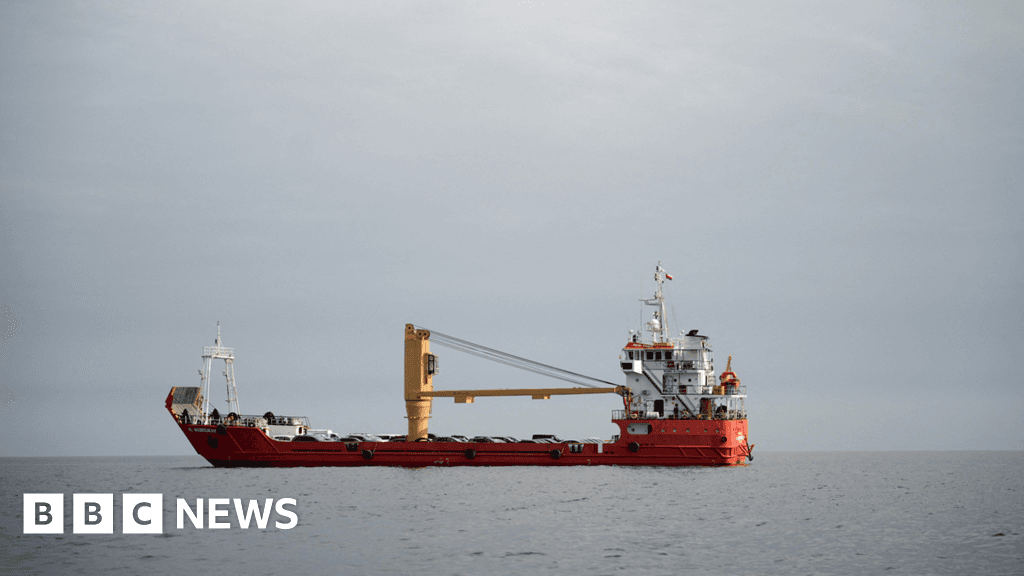
At least four Iran-linked ships, including a Chinese tanker, passed through the Strait of Hormuz within 24 hours of enforcement. US Central Command maintained that the blockade had been successful since the restriction took effect. The Rich Starry, a Chinese-owned tanker carrying about 250,000 barrels of methanol, was among the vessels that transited.
Dozens of ships are under sanction by the US State Department for their alleged involvement in Iran's shadow fleet. Trump vowed to fight back against Iran's WORLD EXTORTION.
Economic and Diplomatic Fallout
The blockade sent oil prices surging above $100 per barrel. The International Rescue Committee called for a humanitarian corridor through the Strait. The blockade complicated Trump's planned summit with Chinese President Xi Jinping.
Analysts warned the greatest risk may come from encounters at sea with unpredictable outcomes. The rules of engagement remained unclear.