Sportsupdated 9m ago3 min read
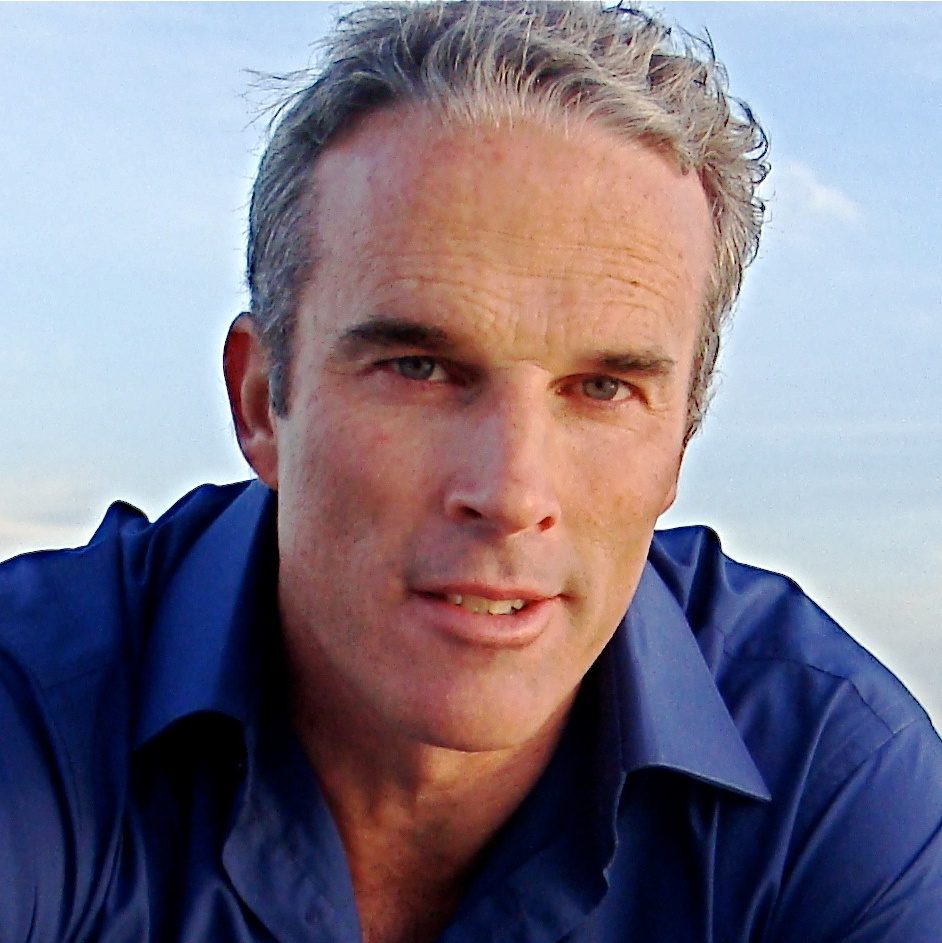
Archive photo · 4 May 2012Lewis Pugh Completes 15km Strait of Hormuz Swim Highlighting Iran War’s Wildlife Impact
5 Western Mainstream3 Other2 Asian4 Other source typesPhoto: Tessa Graham, CC BY-SA 3.0 · Cropped for layout
This article is an automated aggregation of coverage from news outlets. Our editorials offer in-depth analysis curated by the NewsCord team.
Lewis Pugh completed a three-day, 15-kilometer swim through the Strait of Hormuz. The swim aimed to spotlight war-related environmental damage to wildlife and marine ecosystems.
Save coverage image
14 outlets in this story. Read their headlines below.
The Times of Israel was read line by line by the Watchdog: 3.0. See the score →
Pugh’s Hormuz swim
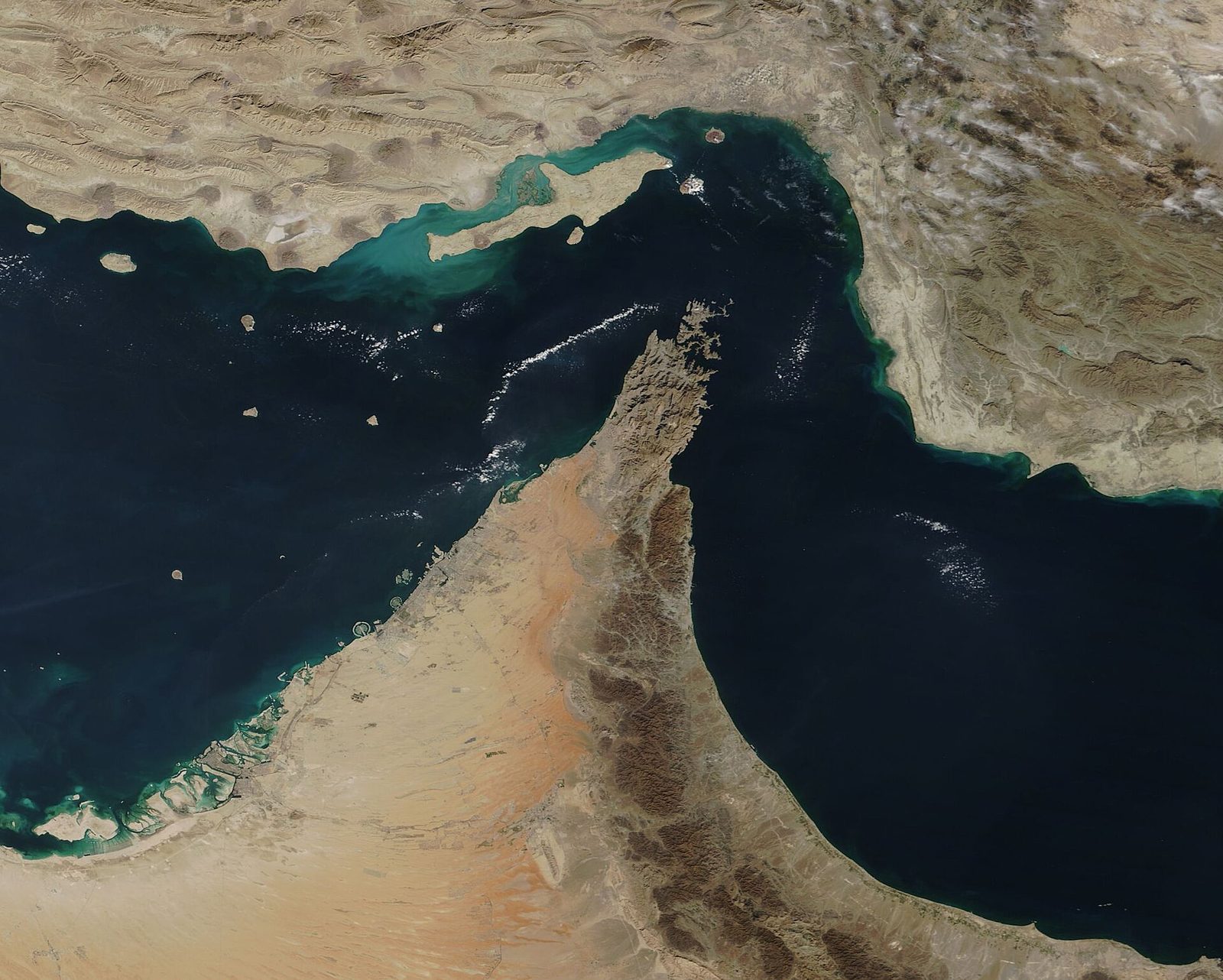
Lewis Pugh completed a three-day swim through the Strait of Hormuz, covering 9.3 miles (15km) to highlight the environmental cost of the Iran war amid attacks on nearby oil tankers and other commercial shipping. Pugh, a UN patron of the oceans, said he witnessed an oil tanker being struck by a projectile about 2.5 miles from where he was swimming on the first day, and he later saw flames rising above a headland separating him from the burning liquefied petroleum gas carrier Tara Gas. Pugh said he passed close to the Tara Gas vessel while it was still on fire, and he described the flames as “enormous,” adding that attacks on highly flammable gases can have “catastrophic consequences” for crew and the surrounding marine environment.
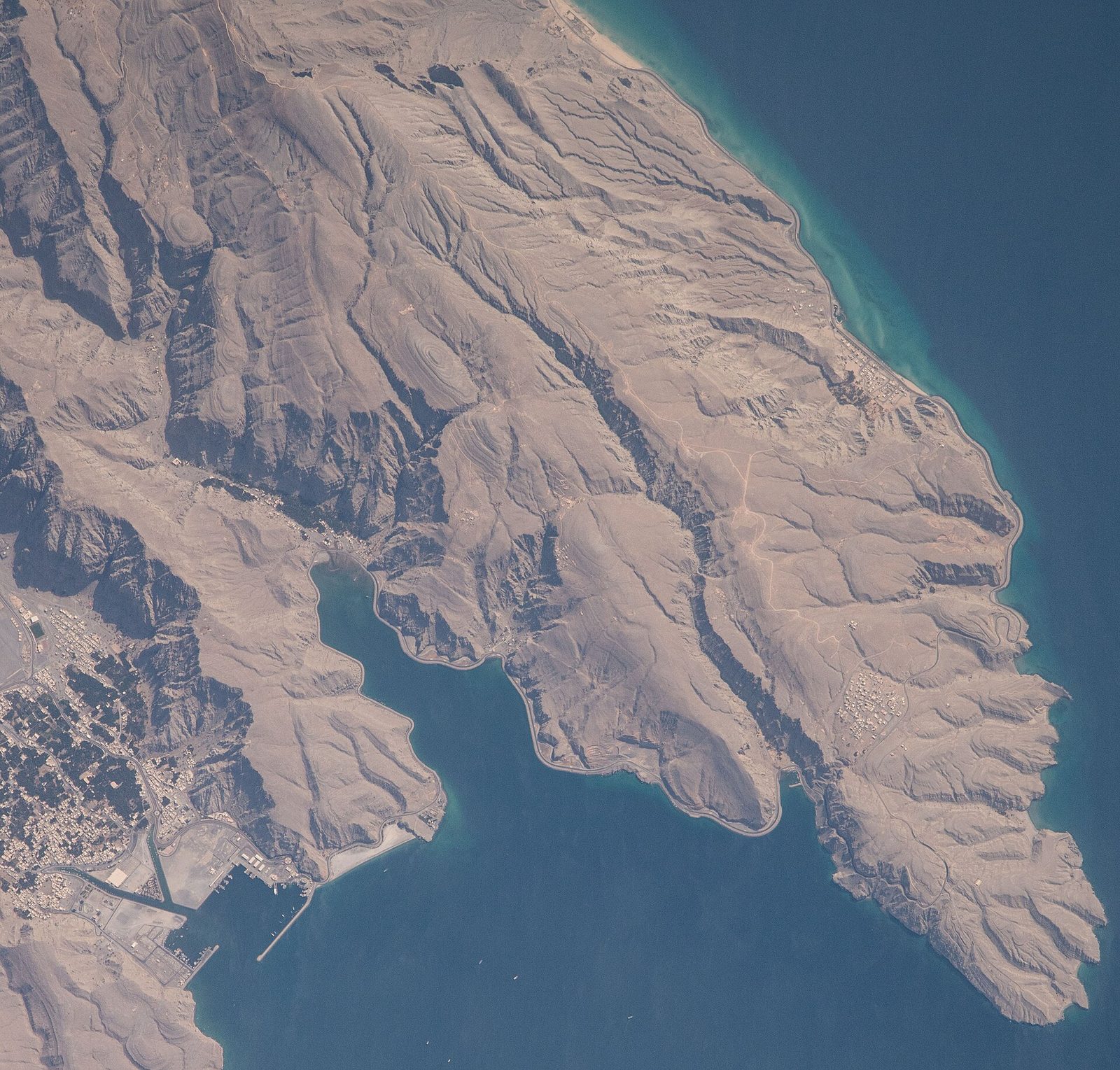
Pugh said the swim was his first long-distance attempt in the strait since the conflict began in March, and he swam a route from Musandam Island through Oman’s Musandam peninsula to the Cape of Hormuz. Pugh said he was born in Plymouth, Devon and that the Strait of Hormuz is also home to wildlife including dugongs, sea turtles and whale sharks.
Explosions and calls
Pugh told The Associated Press that minutes after he entered the water on Monday, he heard two loud explosions that rocked the sea and saw an oil tanker about four kilometres away had been hit. Pugh said the explosion was so loud that “two booms” followed by fighter jets arriving made him realize “we have to get out of here right now,” and he later recalled passing a gas carrier as flames rose into the sky. Pugh said he heard and saw attacks during the swim, and he described the water around the burning vessel as “on fire.”
Pugh said he wanted to urge an end to the fighting, the reopening of the strait and action to address environmental damage caused by the conflict, and he added “War causes immense human suffering” while nature was “another casualty that receives far too little attention.” Pugh said he believed he was the first person to attempt a long-distance swim in the strait since the war began, and he said the damage could last long after the fighting has stopped.
Wildlife, pollution, recovery
Pugh warned that oil spills and other contamination could have long-term consequences for marine ecosystems including coral reefs, seagrass meadows and mangrove forests, and he said the damage can last long after the fighting has stopped.
“The environmental consequences of this war will last for generations.”
Pugh said the environmental damage caused by conflict often receives less attention than the human cost, and he framed the strait as a place where dugongs, sea turtles and whale sharks live alongside coral reefs and mangrove forests.
Pugh said oil leaking from damaged and sunken tankers could have devastating consequences for marine life and that the environmental damage could take years or even decades to reverse.
Pugh said “Oil tankers, gas carriers and other merchant ships are being attacked, day after day,” and he warned that “The environmental consequences of this war will last for generations.”
Pugh said his message was simple, “Stop the fighting. Open the Strait. Clean up the pollution,” while he described the Strait of Hormuz as “one of the most beautiful places I have ever visited” and “one of the treasure troves of the natural world.”