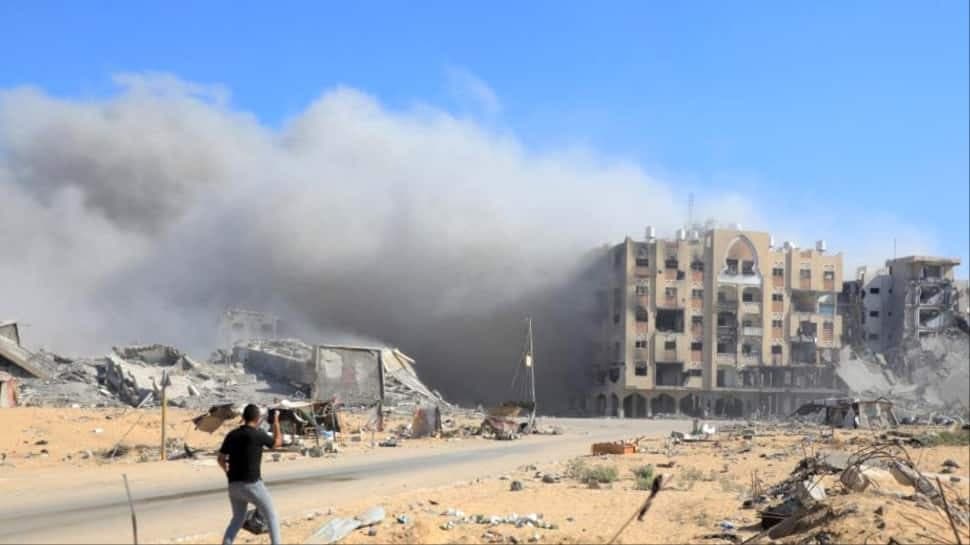
Gulf Energy Producers Invoke Force Majeure After Iran Conflict Disrupts Hormuz Shipping
Key Takeaways
- Qatar, Bahrain and Kuwait invoked force majeure on exports amid Hormuz disruptions from Iran conflict.
- The move tightens global LNG supplies and raises oil and gas prices.
- Import-dependent countries face scrambling for alternative supplies due to force majeure.
Energy Crisis Escalation
The escalating Middle East conflict between Iran, the United States, and Israel has triggered unprecedented force majeure declarations by Gulf energy producers, disrupting global energy supplies and creating market turmoil.
“As the Middle East conflict between Iran, the United States and Israel intensifies, a legal term rarely discussed outside corporate boardrooms has suddenly become headline news and that is force majeure”
Gulf energy producers are invoking force majeure after conflict with Iran disrupted shipping through the Strait of Hormuz, preventing them from fulfilling gas export contracts.

The move has tightened global LNG supplies, pushed oil and gas prices higher, and forced import-dependent countries to scramble for alternative energy sources.
A conflict in West Asia is beginning to rattle the world's energy system, as fighting between the United States-Israel alliance and Iran enters its third week.
Gas exporters in the Gulf have started pulling an unusual legal lever, force majeure, to shield themselves from contractual obligations they can no longer meet.
Gulf Nations Declare Force Majeure
Several Gulf energy producers, including Qatar, Bahrain, and Kuwait, have invoked force majeure on oil and gas exports after attacks, shipping disruptions, and infrastructure risks caused by the ongoing war.
The latest declarations are directly tied to the regional war that erupted after US–Israeli strikes on Iran on February 28, 2026.
Since then, the conflict has spilled across the Gulf, with missile strikes, drone attacks, and naval tensions affecting energy infrastructure and shipping routes.
These Gulf producers have invoked force majeure because shipping routes through the Strait of Hormuz are disrupted, energy facilities have been targeted, and security risks make exports unpredictable.
The Strait of Hormuz is especially critical because roughly 20% of global oil and LNG shipments pass through it, making any disruption there a global economic concern.
Major Exporters Affected
Qatar's dramatic shutdown of natural gas production and force majeure declaration has triggered global alarm, as the country is the world's second-largest exporter of liquefied natural gas (LNG).
“As the Middle East conflict between Iran, the United States and Israel intensifies, a legal term rarely discussed outside corporate boardrooms has suddenly become headline news and that is force majeure”
Qatar halted production after attacks on energy infrastructure early in the conflict, sending immediate shockwaves through global energy markets.
Following Qatar's shutdown, several international companies that buy Qatari gas also declared force majeure on their own deliveries to customers, creating a cascading effect.
This demonstrates how quickly supply disruptions can spread across global energy networks.
Bahrain's state oil company further escalated the crisis by declaring force majeure after an Iranian strike hit its main refinery complex, disrupting oil operations.
Market Disruption Chain
The force majeure declarations are creating a domino effect across global supply chains, with buyers scrambling to find alternative suppliers, shipping schedules collapsing, and prices spiking due to market uncertainty.
Energy analysts emphasize that incidents like these highlight how vulnerable Gulf energy infrastructure can be during regional conflict.
They note that since the Gulf region supplies a significant share of the world's oil, even temporary disruptions can send shockwaves through markets.
The legal mechanism of force majeure, derived from French meaning 'superior force,' allows companies to temporarily stop deliveries or operations without being penalized for breaking contracts.
In the energy sector, this typically means halting shipments of oil, gas, or other commodities when conflict, attacks, or logistical breakdowns make exports unsafe or impossible.
Long-term Strategic Impact
The broader implications of these force majeure declarations extend far beyond immediate energy market disruptions, potentially reshaping global energy trade patterns and security arrangements for years to come.
“As the Middle East conflict between Iran, the United States and Israel intensifies, a legal term rarely discussed outside corporate boardrooms has suddenly become headline news and that is force majeure”
The timing of these declarations, coming after US–Israeli strikes on Iran in February 2026, suggests that Gulf producers are strategically using legal protections to navigate the increasingly volatile regional security environment.
The vulnerability of energy infrastructure in the Gulf region has been exposed, prompting questions about the long-term viability of current energy shipping routes through the Strait of Hormuz.
Import-dependent countries are now accelerating efforts to diversify their energy sources and develop alternative supply chains.
This could lead to permanent shifts in global energy trade relationships and investment patterns.
More on Iran
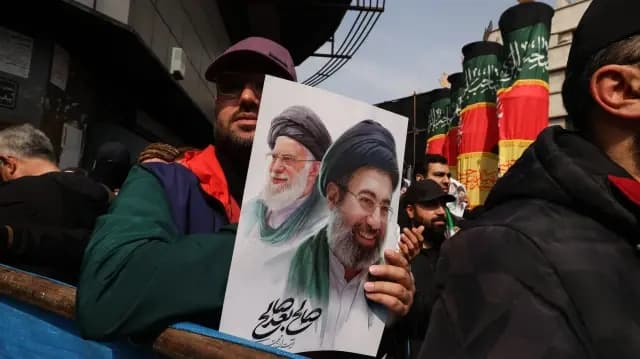
Russia Secretly Airlifts Iran's Supreme Leader Mojtaba Khamenei to Moscow for Surgery
11 sources compared
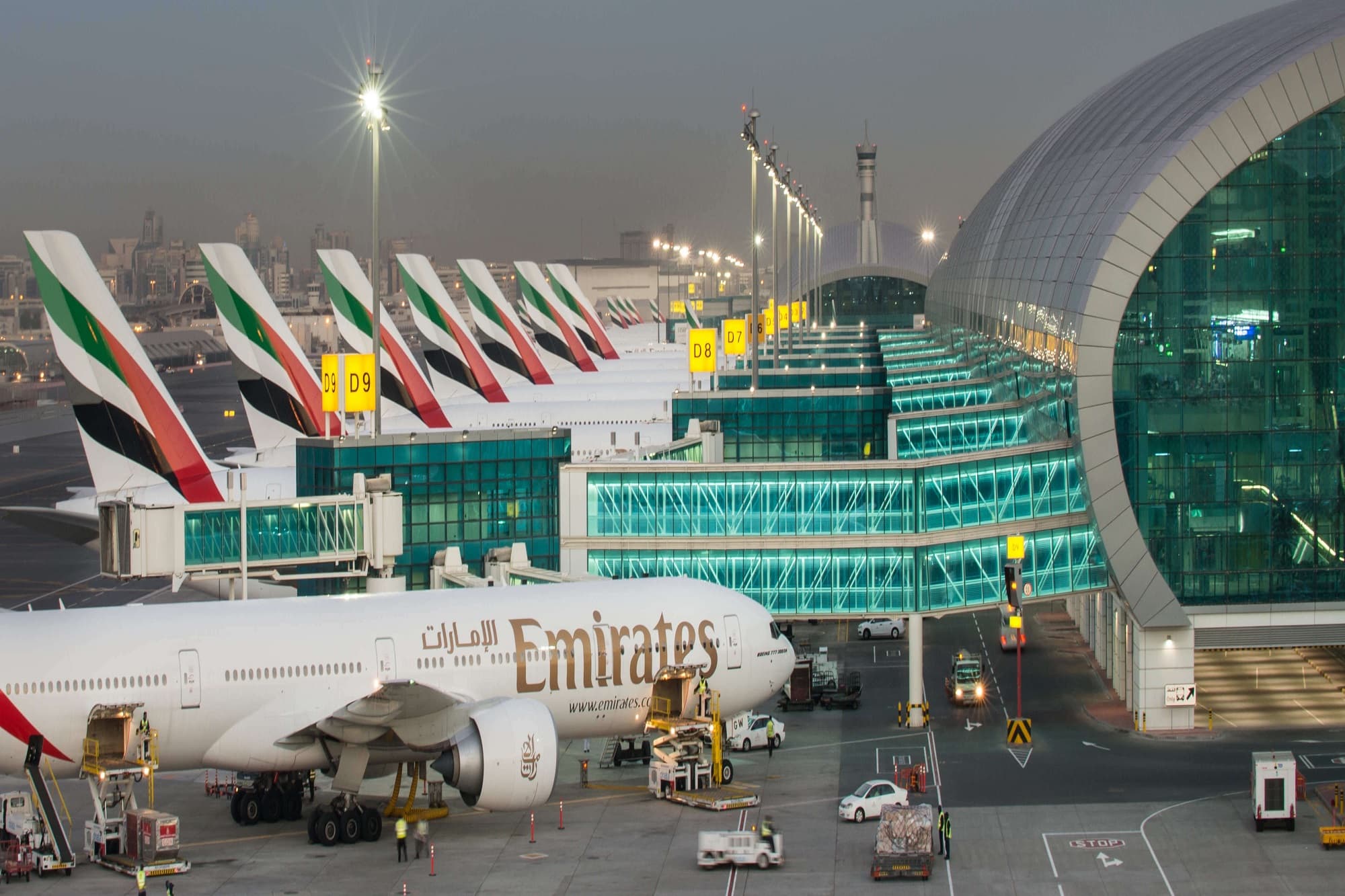
Iranian Drone Strike Shuts Dubai International Airport, Thousands Stranded
25 sources compared

Iran Drone Strike Shuts Dubai International Airport, Triggers Global Travel Disruption
16 sources compared

Iran's New Supreme Leader Mojtaba Khamenei Travels to Moscow for Leg Surgery
15 sources compared