
Gulf states warn of existential threat from Iran, seek UN action over attacks
Key Takeaways
- Gulf Arab states warn of existential threat from Iran and press UN action.
- Emergency UN Human Rights Council session requested by Gulf states to address crisis.
- Rights officials warn conflict could spiral and may involve war crimes.
Gulf States' UN Warnings
Gulf Arab states delivered stark warnings to the UN Human Rights Council on March 25, 2026, declaring they face an existential threat from Iranian attacks targeting their infrastructure.
“BREAKING Iran's top diplomat says US sending messages, but no talks under wayWhite House says if Iran talks fail, Trump will 'hit harder'Parliament speaker says Tehran is 'closely monitoring' US troop deployments Click to pause breaking news tickerpause-square-backgroundClose Breaking News Tickerclose”
Kuwait's ambassador Naser Abdullah H. M. Alhayen told the Geneva-based council that 'We are seeing an existential threat to international and regional security.'

The United Arab Emirates' ambassador Jamal Jama al Musharakh condemned Iran's 'attempt to destabilise the international order through reckless adventures of expansionism.'
The nearly month-long US-Israeli war on Iran has triggered large-scale Iranian retaliation in the form of drone and missile strikes on energy and civilian infrastructure across Gulf countries.
UN rights chief Volker Turk warned that 'Attacks on civilians and civilian infrastructure must end. If they are deliberate, such attacks may constitute war crimes.'
These warnings came amid escalating tensions that have killed civilians and driven up oil prices throughout the region.
Attack Consequences
The Iranian attacks have had significant regional and economic consequences, with drone and missile strikes targeting vital energy infrastructure and civilian areas across Gulf countries.
The International Service for Human Rights, an independent NGO, warned against 'selective outrage' regarding these attacks, calling instead for a focus on violations by all perpetrators.
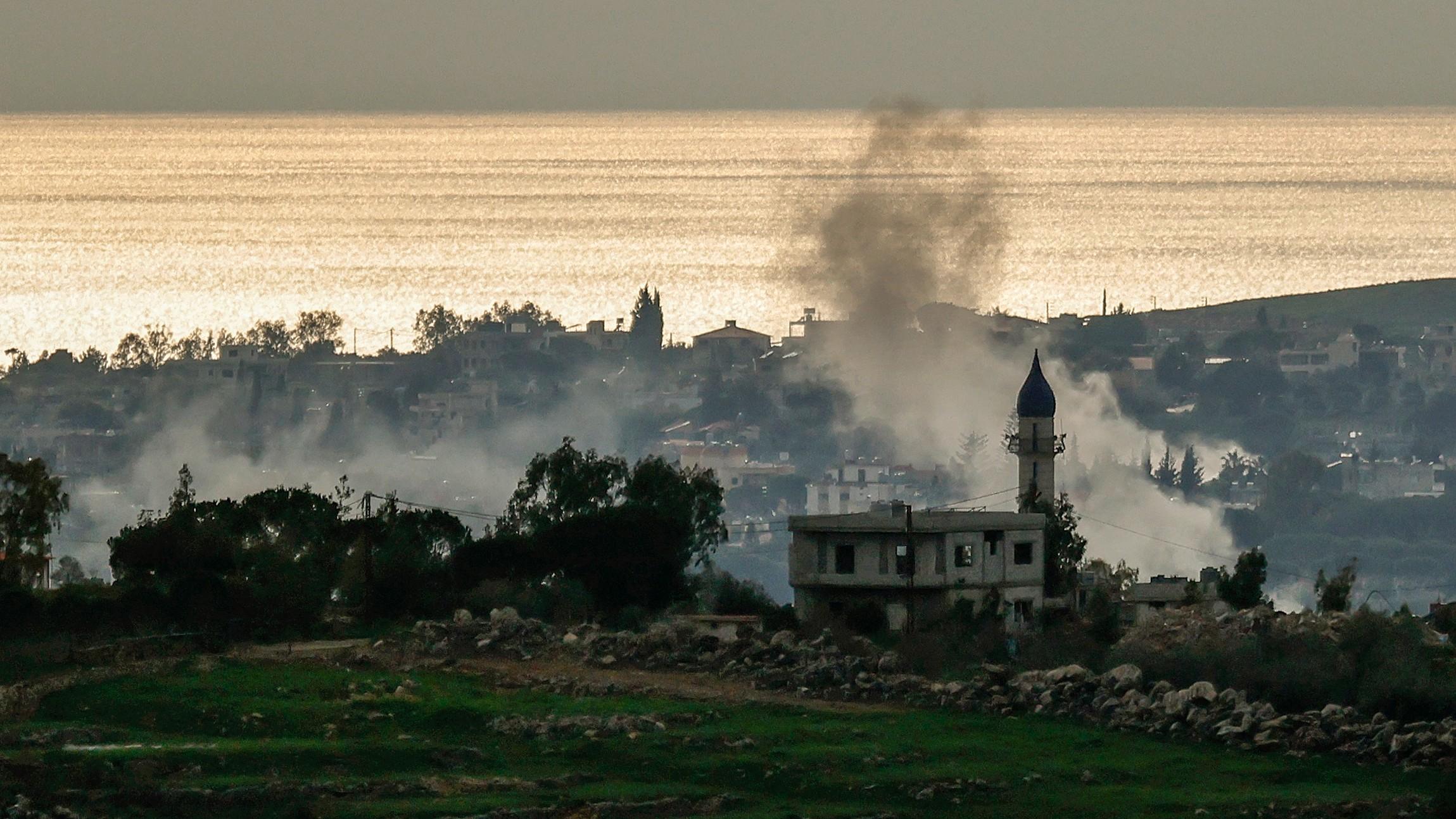
The economic impact has been substantial as oil prices have risen due to the targeting of energy facilities, creating ripple effects throughout global markets.
The strikes have also resulted in civilian casualties, though exact numbers remain contested between the conflicting parties.
The UN Human Rights Council adopted a motion by consensus condemning Iran's 'unprovoked and deliberate' strikes, seeking reparations from Iran and asking the UN rights chief to monitor the ongoing situation.
This indicated broad international concern over the escalating conflict and its regional implications.
Iran's Defense
Iran has vigorously defended its retaliatory actions, claiming they are responses to prior US-Israeli aggression that have resulted in significant civilian casualties.
“The United Nations’ top human rights official has warned that the war involving Iran risks spiralling beyond the region, urging urgent action to halt the fighting”
Iran's ambassador to the UN in Geneva Ali Bahreini stated, 'We fight on behalf of all of you against an enemy that, if not restrained today, will be beyond containment tomorrow,' referring to Israel.
Iran maintains that more than 1,500 civilians have been killed in the US-Israeli strikes so far, positioning its attacks as legitimate defensive measures.
Tehran has also announced it will hold its own emergency session on a fatal strike on a primary school, suggesting it intends to bring international attention to alleged Israeli and US violations.
This counter-narrative attempts to frame Iran's attacks as proportional responses rather than unprovoked aggression.
Both sides claim defensive postures while civilian populations bear the brunt of the escalating conflict.
International Response
The international response to the escalating crisis has been mixed, with some countries attempting to mediate while others have taken clear positions.
Oman, which had previously served as a mediator between the United States and Iran, acknowledged the complex sequence of events, stating that US-Israeli strikes 'were the spark that ignited the escalation currently affecting the region.'
Ambassador Idris Abdul Rahman Al Khanjari told the council that the consequences are 'threatening states and their vital economic interests and their security and stability.'
Meanwhile, UN Secretary-General Antonio Guterres has expressed grave concern, describing the situation as 'extremely dangerous and unpredictable.'
The UN chief stated that the world is 'staring down the barrel of a wider war' and urged an end to hostilities.
These mixed responses reflect the complex geopolitical dynamics at play, with some countries viewing Iran's actions as existential threats while others advocate for a more balanced approach.
Broader Implications
The ongoing conflict represents a significant escalation in regional tensions that began with the US-Israeli war on Iran and has now spread to affect multiple Gulf states.
“BREAKING Iran's top diplomat says US sending messages, but no talks under wayWhite House says if Iran talks fail, Trump will 'hit harder'Parliament speaker says Tehran is 'closely monitoring' US troop deployments Click to pause breaking news tickerpause-square-backgroundClose Breaking News Tickerclose”
The attacks on civilian infrastructure have raised serious concerns under international humanitarian law, with UN officials warning that deliberate strikes may constitute war crimes.
The economic dimension is particularly significant, as attacks on energy facilities have driven up oil prices and threatened global energy security.
The humanitarian impact is also severe, with civilian casualties reported on multiple sides of the conflict.
As the situation continues to evolve, international organizations and individual states are facing difficult choices about how to respond to what many now see as a broader regional conflict.
The underlying causes of the conflict remain unaddressed, suggesting that further escalation may be imminent without meaningful diplomatic intervention.
More on Iran

Pentagon orders 1,000 82nd Airborne troops to West Asia amid Kharg Island seizure talks
13 sources compared

U.S. Prepares to Deploy 1,000 82nd Airborne to West Asia to Seize Airfields
17 sources compared

Pentagon deploys 3,000 82nd Airborne troops to West Asia to backstop Iran war operations
14 sources compared

US, Israel escalate West Asia strikes as US demands Iran roll back nuclear program
12 sources compared