
Gunfire Erupts in Beirut as 10-Day Israel-Lebanon Ceasefire Takes Effect
Key Takeaways
- A 10-day ceasefire between Israel and Lebanon took effect at midnight.
- Gunfire, tracer fire, and celebrations were heard over Beirut as it started.
- Israel intends to stay in southern Lebanon for the ceasefire.
Ceasefire begins in Lebanon
A 10-day ceasefire between Lebanon and Israel took effect as gunfire and celebratory firing were reported in Beirut shortly after midnight, with multiple outlets describing the truce as beginning early Friday.
The Guardian reported that “As Lebanon and Israel agreed to a 10-day ceasefire,” Donald Trump spoke in Washington and said Australia had not supplied military aid related to the “strait of Hormuz,” while the ceasefire itself was framed as part of a broader effort to reduce tensions.
DW described the deal as a “Temporary Israel-Lebanon ceasefire” taking effect, and said Israel’s military would stay in southern Lebanon.
Kurdistan24 likewise said “Just after midnight in Beirut, gunfire signaled not battle but relief” as the ceasefire began, and it reported that displaced civilians started moving toward southern Lebanon and Beirut’s southern suburbs.
Hürriyet Daily News reported that “Thousands of displaced Lebanese civilians took to the road on Friday” hoping the truce would allow them to return to homes in southern Beirut and the war-torn south.
Free Malaysia Today reported “Gunfire erupts in Beirut’s southern suburbs as ceasefire takes effect,” adding that AFP journalists heard “RPGs erupting into the air shortly after midnight” and that Lebanese state media said Israeli artillery was still shelling Khiam and Debbine about half an hour after the ceasefire.
Across the coverage, the start time was consistently tied to midnight Beirut time, with Ici Beyrouth stating the truce went into effect “at midnight” and that the effective start time was “21:00 GMT, i.e., midnight in Beirut.”
Violations and continued military activity
Even as the ceasefire began, multiple reports described violations and continued military activity that complicated the immediate sense of relief.
Kurdistan24 said the Lebanese army issued “an immediate warning urging residents not to return,” citing “a number of violations” and “several Israeli acts of aggression,” while it also reported that Israeli forces remained deployed in southern Lebanon.

Free Malaysia Today added that Lebanese state media said “despite the passage of about half an hour after the ceasefire came into effect, the artillery of the enemy Israeli army is still shelling the towns of Khiam and Debbine.”
Al Jazeera reported that “The Lebanese army said early on Friday that Israel committed violations of the ceasefire after it took effect, including intermittent shelling of several southern Lebanese villages,” and it noted that “The Israeli military is yet to comment on those claims.”
DW reported that Israeli air strikes on Tyre killed at least 13 people just before the ceasefire started, and it said the strikes began “just before a 10-day ceasefire with Israel went into effect at midnight local time (2100 UTC) on Thursday.”
Ici Beyrouth described that “The Israeli army and Hezbollah continued the hostilities until the last minute,” and it said Israeli air strikes hit towns in the South and the West Beqaa including “Sohmor, Tyre, Nabatieh and several surrounding villages.”
Hürriyet Daily News similarly said Israel’s military struck “over 380 ‘Hezbollah terror organization targets in southern Lebanon’” and was on “high alert” to resume strikes as the truce came into force.
Hezbollah, Israel, and political conditions
The ceasefire’s durability was tied in the reporting to competing conditions and the question of how Hezbollah would be treated within the agreement.
Kurdistan24 said the ceasefire “pauses hostilities between Israel and Lebanon but leaves unresolved key questions regarding enforcement and scope,” and it reported that Netanyahu said troops would hold a “security zone” extending roughly 10 kilometers north of the border.
It also quoted Netanyahu saying, “That is where we are, and we are not leaving,” and it described the U.S. State Department position that the agreement permits Israel to respond to “planned, imminent or ongoing attacks.”
Hürriyet Daily News reported that Netanyahu agreed to the ceasefire “to advance” peace efforts but insisted Israeli troops would not withdraw from a “security zone” inside Lebanese territory, and it said Israel maintained two conditions for the ceasefire: Hezbollah’s disarmament and a lasting peace agreement “based on strength.”
Al Jazeera and FSX Business both described Hezbollah’s timing and posture, with Al Jazeera saying Hezbollah “launched its last attack at 11:50pm local time (20:50 GMT), just 10 minutes before the ceasefire took effect,” and FSX Business stating Hezbollah’s final attack occurred at “11:50pm local time, 10 minutes before the ceasefire began.”
Al Jazeera also reported that Trump later issued a Truth Social post urging Hezbollah to observe the agreement, quoting him: “I hope Hezbollah acts nicely and well during this important period of time. It will be an GREAT moment for them if they do. No more killing. Must finally have PEACE!”
In parallel, DW reported Israeli Defense Minister Israel Katz warning that the ground invasion and aerial bombardment could continue after the 10-day ceasefire period, saying, “The ground maneuver into Lebanon and the strikes on Hezbollah have achieved many gains, but they are still not complete,” and it called the ceasefire a “temporary freeze.”
Reactions, warnings, and statements
As the ceasefire began, Lebanese residents and officials described both relief and skepticism, while regional and international leaders issued statements that reflected the political stakes.
The Straits Times quoted Beirut housewife Jamal Shehab, 61, saying, “We are very happy that a ceasefire has been reached in Lebanon because we are tired of war, and we want safety and peace,” and it also quoted lawyer Tarek Bou Khalil telling AFP that “it’s well known Trump cannot be taken at his word, and Netanyahu cannot be trusted.”

It reported that Trump said “It’s very exciting,” and that he told reporters “Today they’re going to be having a ceasefire, and that’ll include Hezbollah.”
The same outlet quoted a Hezbollah lawmaker telling AFP it would “cautiously adhere” to the ceasefire if Israel stopped attacks, while it also included a statement from Mr Ibrahim al-Moussawi thanking Iran and saying, “the ceasefire would not have happened without Iran considering the ceasefire as equal to closing the Strait of Hormuz.”
In parallel, Al Arabiya quoted Lebanese Prime Minister Nawaf Salam welcoming the ceasefire as “a central Lebanese demand we have pursued since the first day of the war,” and it said he “mourn the dead who fell” and hoped citizens “will be able to return to them as soon as possible.”
Hürriyet Daily News reported that Lebanese Prime Minister Nawaf Salam welcomed the announcement, describing the truce as “a key Lebanese demand that we have pursued since the very first day of the war,” and it said Aoun’s office thanked Trump for efforts to secure the truce while the Lebanese president rejected Trump’s request for a direct call with Netanyahu.
Meanwhile, DW included Israeli Defense Minister Israel Katz’s warning that the ceasefire was a “temporary freeze,” and it said he described a “significant diplomatic lever” emerging in the goal of dismantling Hezbollah with U.S. help by “applying pressure on the Lebanese government.”
Oil, diplomacy, and what comes next
The ceasefire was repeatedly linked in the reporting to wider regional diplomacy involving Iran and to market expectations tied to the Strait of Hormuz.
The Guardian said the Lebanon-Israel truce was taking effect while “a two-week truce between Iran and the US continues and is due to expire next Wednesday,” and it reported that Donald Trump said the next U.S.-Iran meeting might take place “over the weekend.”

It also tied the Strait of Hormuz to Trump’s comments about Australia and to oil market moves, stating that oil prices were pinned below $100 a barrel with Brent crude futures falling more than 1% to $98.14 a barrel and U.S. West Texas Intermediate crude futures falling 1.6% to $93.15 a barrel.
Kurdistan24 described the Strait as a central pressure point and said Iran closed the waterway earlier in the conflict, disrupting a route that carries approximately one-fifth of global oil supply, while it quoted International Energy Agency Executive Director Fatih Birol warning that supply shocks could intensify if the closure persists and noting Europe may have only “maybe six weeks or so” of jet fuel reserves.
DW reported that Turkey, Egypt, Saudi Arabia and Pakistan were to discuss efforts to bring the war between the United States and Israel and Iran to an end on the sidelines of a summit in Antalya, with Recep Tayyip Erdogan addressing the Antalya Diplomacy Forum.
It also said the timeline of the meeting between the four major Muslim-majority states had not been announced, and it included Erdogan’s call that “Negotiations cannot take place with clenched fists. Weapons must not be allowed to speak again instead of words.”
Across the reporting, the next steps were presented as uncertain: DW said Katz warned Israel could continue its ground invasion and aerial bombardment after the 10-day ceasefire period, while the Straits Times reported that UN Secretary-General Antonio Guterres welcomed the ceasefire and called on “all actors to fully respect” it, phrasing that would include Hezbollah.
More on Lebanon
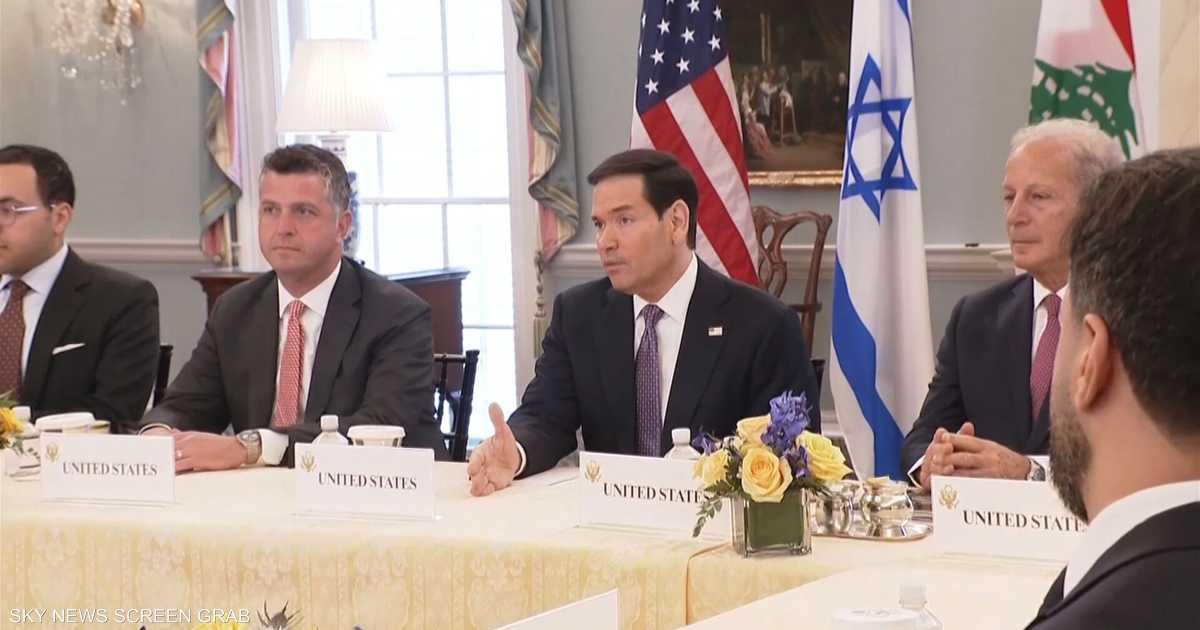
Israel-Lebanon 10-Day Ceasefire Takes Effect as Hezbollah Fighting Pauses
19 sources compared
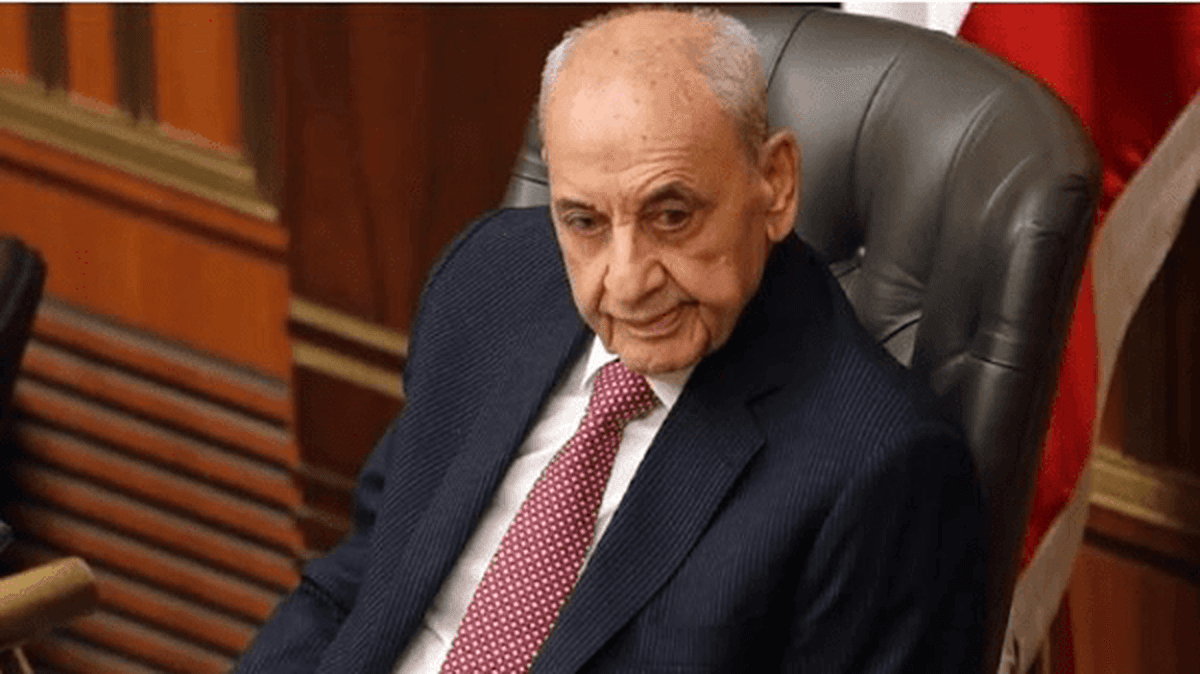
Israel And Lebanon Begin 10-Day Ceasefire As Trump Invites Netanyahu And Joseph Aoun
91 sources compared

Trump Announces 10-Day Israel-Lebanon Ceasefire Starting Thursday at 5 P.M. ET
30 sources compared
Hezbollah Rockets And Drones Strike Metula, Nahariya, Haifa Naval Base, And Ma'alot Tarshiha
10 sources compared