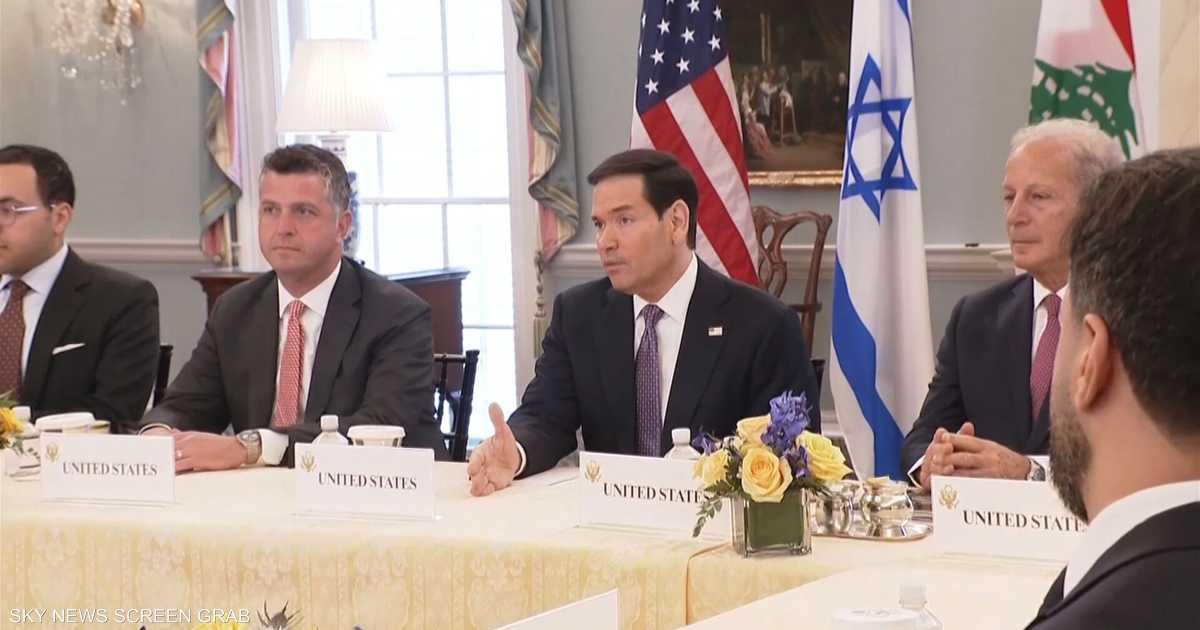
Israel-Lebanon 10-Day Ceasefire Takes Effect as Hezbollah Fighting Pauses
Key Takeaways
- A 10-day ceasefire between Israel and Lebanon took effect on April 16, 2026, at 21:00 UTC.
- Violations were reported on both sides as the ceasefire remained fragile.
- Israel would respond only to imminent threats from Hezbollah; Hezbollah had not stated acceptance.
Ceasefire Takes Hold
A 10-day ceasefire between Israel and Lebanon took effect at midnight on Thursday, with the agreement pausing fighting between Israeli forces and Hezbollah, according to multiple live-update reports.
The New York Times described “Thousands of displaced families flooded the main highway to southern Lebanon on Friday, hours after a 10-day cease-fire pausing Israel’s military campaign against Hezbollah went into effect.”

CBS News said the truce began at “5 p.m. EDT,” and reported that it appeared to be “mostly intact in Lebanon early Friday.”
The Guardian said the ceasefire came into effect at midnight on Thursday “(2100 GMT) in Lebanon,” after it had been announced earlier by Donald Trump.
In Beirut, residents celebrated as “barrages of gunshots rang out across Beirut as residents fired into the air just after midnight to celebrate the beginning of the truce,” CBS News reported.
The New York Times also framed the ceasefire as removing “a major obstacle to U.S.-Iran peace talks,” while noting Hezbollah “did not say whether it would accept the truce.”
The agreement’s immediate implementation did not end uncertainty, with CBS News saying it remained unclear “whether Hezbollah will completely stop strikes on one another” and “whether the militant group would recognize a deal it did not play a role in negotiating.”
Terms, Buffer, and Enforcement
The ceasefire’s terms and enforcement mechanisms were laid out in detail across the reports, even as both sides signaled limits.
The BBC said the deal was for “ten days,” with “the possibility of extension by mutual agreement if negotiations make progress,” and it quoted the U.S. State Department’s additional details that “Israel reserves the right to take all measures necessary to defend itself at any time.”

The BBC also reported that “Lebanon is asked to take serious and effective steps to prevent Hezbollah and all armed groups outside the state’s authority from carrying out attacks against Israeli targets,” and that “the parties agree that the Lebanese security forces are the sole body responsible for Lebanon’s security.”
The Guardian described how Netanyahu welcomed the ceasefire as a “historic” opportunity but refused to withdraw, saying “We are remaining in Lebanon in an expanded security zone,” and “That is where we are, and we are not leaving.”
The New York Times similarly said the cease-fire “removes a major hurdle” to U.S.-Iran talks while warning that enforcement could be complicated because “the Lebanese government does not directly control Hezbollah.”
NBC News reported Netanyahu’s position that Israel had “not agreed to withdraw from southern Lebanon,” and said Hezbollah’s demand for withdrawal remained central.
The Times of Israel published the full text of the ceasefire, stating that “both nations will work to create conditions conducive to lasting peace” while preserving “Israel’s inherent right to self-defense,” and it specified that the only forces authorized to bear arms in Lebanon will be “the Lebanese Armed Forces (LAF), Internal Security Forces, Directorate of General Security, General Directorate of State Security, Lebanese Customs and Municipal Police.”
Even with the legal framing, CBS News reported that an Israeli official told CBS News Israel agreed to respond only to “imminent threats from Hezbollah,” leaving open how Hezbollah would interpret the arrangement.
Voices: Trump, Guterres, Netanyahu, Hezbollah
The ceasefire was accompanied by sharply different messages from key actors, with U.S. and UN officials emphasizing respect for the truce while Israeli leaders and Hezbollah signaled conditional stances.
“Israeli attacks prevent Lebanese from burying their dead in ancestral lands By Nazih Osseiran and Jihed Abidellaoui BEIRUT April 15 - Brothers Ali and Wael Sabbagh stood facing the remains of the building that contained their family home for more than 50 years”
The Guardian reported that UN chief António Guterres welcomed the ceasefire and urged “all actors” to fully respect it, adding that he hoped the halt in fighting would “pave the way for negotiations.”
NBC News quoted Guterres saying he hoped the 10-day agreement would “pave the way for negotiations towards a long-term solution to the conflict” and “contribute to ongoing efforts” to bring peace to the Middle East, while also urging, “I urge everyone to fully respect the ceasefire and to comply with international law at all times.”
The New York Times described President Donald Trump’s social media message after announcing the ceasefire, including the line “No more killing. Must finally have PEACE!” and it said Trump wrote, “I hope Hezbollah acts nicely and well during this important period of time. It will be an GREAT moment for them if they do.”
Netanyahu’s public posture was more restrictive, with the Guardian quoting him saying Israel would remain in a security zone due to “danger of an invasion” and to prevent fire into Israel, and the BBC describing Netanyahu’s buffer as “about 10 kilometers deep inside southern Lebanon,” with Netanyahu saying “We are there, and we will not leave.”
Hezbollah’s response was framed as conditional, with the New York Times saying it acknowledged the ceasefire but did not directly address whether it would accept it and that its actions would be “based on how developments unfold.”
The Guardian added a direct Hezbollah warning carried by al-Manar TV, saying the group’s fighters “will keep their fingers on the trigger” if Israel violates the ceasefire in Lebanon, and it quoted the statement: “These mujahideen [fighters] will keep their hands on the trigger, ready to defend against the enemy’s treachery and betrayal.”
CBS News also reported that it was uncertain how Hezbollah would respond and whether the Lebanese armed forces could “quell the powerful group,” underscoring the gap between state commitments and Hezbollah’s independent posture.
Diverging Claims and Local Reality
Even as the ceasefire began, reports described immediate disputes over whether it was being violated and how safe it was for displaced people to move.
CBS News said the Lebanese army posted on social media that there had been “a number of violations of the agreement, with several Israeli attacks recorded, in addition to intermittent shelling targeting a number of villages.”
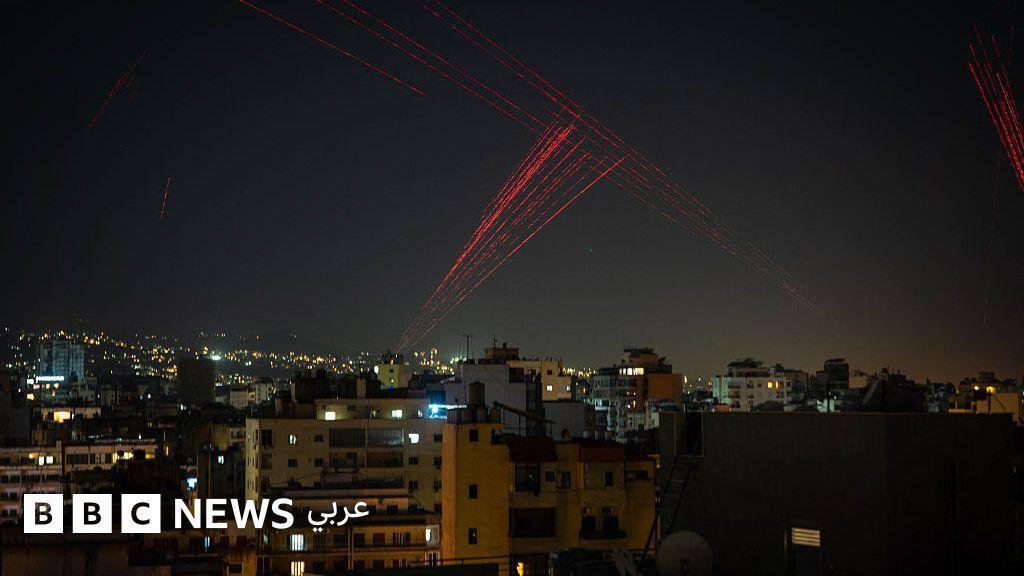
The New York Times similarly said the Lebanese army “recorded several Israeli violations after the cease-fire went into effect,” while it also reported that the Israeli military “did not immediately respond to a request for comment.”
The Guardian reported that the Lebanese army warned displaced people about returning home because of “intermittent shelling that was reported after the ceasefire came into effect,” and it said the Israeli military warned residents of southern Lebanon not to return south of the Litani River.
In parallel, the Guardian described how Israel and Hezbollah continued to exchange fire in the hours before the truce took effect, even as the ceasefire was framed as a pause.
On the ground, the New York Times reported that after the cease-fire, “thousands of displaced families hoping to return to their homes flooded onto the main highway to southern Lebanon,” but it added that “since Israeli forces destroyed the two bridges connecting the highway to the south over the Litani River, vehicles have to snake one by one along an ad-hoc dirt crossing.”
The New York Times said the bottleneck created “four lanes of stand-still traffic that stretches for more than two miles,” and it included a quote from Ali Roumieh, 41, saying, “We will make it home. Even if we have to walk, we will go home today.”
The Guardian also described queues and bridge repair work near Qasmiyeh, saying the Litani river bridge was “undergoing repairs after an Israeli bombing yesterday,” and it reported that in Jibchit people returned to “flattened apartment blocks” and “streets littered with slabs of concrete, twisted aluminum shutters and dangling electrical wires.”
These accounts show how the ceasefire’s start did not translate into a uniform picture of safety, with official warnings and physical infrastructure damage shaping what “return” could mean in practice.
Casualties, Displacement, and What Comes Next
The ceasefire’s arrival was set against a toll described in the reporting and a set of next steps that remained unresolved.
“What do we know about the ceasefire between Lebanon and Israel”
The New York Times said the fighting “has killed more than 2,100 people in Lebanon and displaced over one million residents, mostly from the south of the country, according to the Lebanese authorities,” and it added that “At least 13 Israeli soldiers have also been killed, along with two civilians, according to the Israeli authorities.”

The Guardian likewise said the ceasefire paused fighting that had “killed more than 2,100 Lebanese people and displaced more than 2.1 million,” and it described the agreement as a pause that could “pave the way for negotiations.”
NBC News listed a broader death toll snapshot, saying “More than 2,100 people have been killed in Lebanon, 32 have been killed in Gulf states, and 23 have died in Israel,” and it also reported “Thirteen U.S. service members have been killed, and two more died of noncombat causes.”
The New York Times and CBS News both linked the Lebanon truce to U.S.-Iran diplomacy, with the New York Times saying the cease-fire “removes a major obstacle to ending the U.S.-Iran war” because “the Iranian government has insisted that the truce extend to Lebanon.”
CBS News said the ceasefire “promising a pause in fighting between Israel and the Hezbollah militant group and possibly clearing one major obstacle” to a deal between Iran and the United States and Israel.
Looking ahead, the Guardian said the UK and France would chair a meeting of “about 40 countries” aimed at signaling U.S. allies’ readiness to help restore freedom of navigation in the Strait of Hormuz once conditions allow, and it also reported that Turkey was hosting a forum bringing together foreign ministers of Pakistan, Saudi Arabia, and Egypt.
The New York Times said Trump would invite Netanyahu and President Joseph Aoun to the White House for talks, and it also noted that the cease-fire enforcement could be complicated because Hezbollah is not directly controlled by the Lebanese government.
CNN’s live update emphasized that the ceasefire was “aimed at halting the fighting between Israel and Iran-backed Hezbollah,” while noting that the Lebanese army accused Israel of “a number of acts of aggression” shortly afterward.
Across the reporting, the common thread was that the truce was a step toward negotiations, but the immediate stakes remained the same: whether Hezbollah would accept the terms, whether Israel would withdraw, and whether the ceasefire would hold long enough to move diplomacy forward.
More on Lebanon
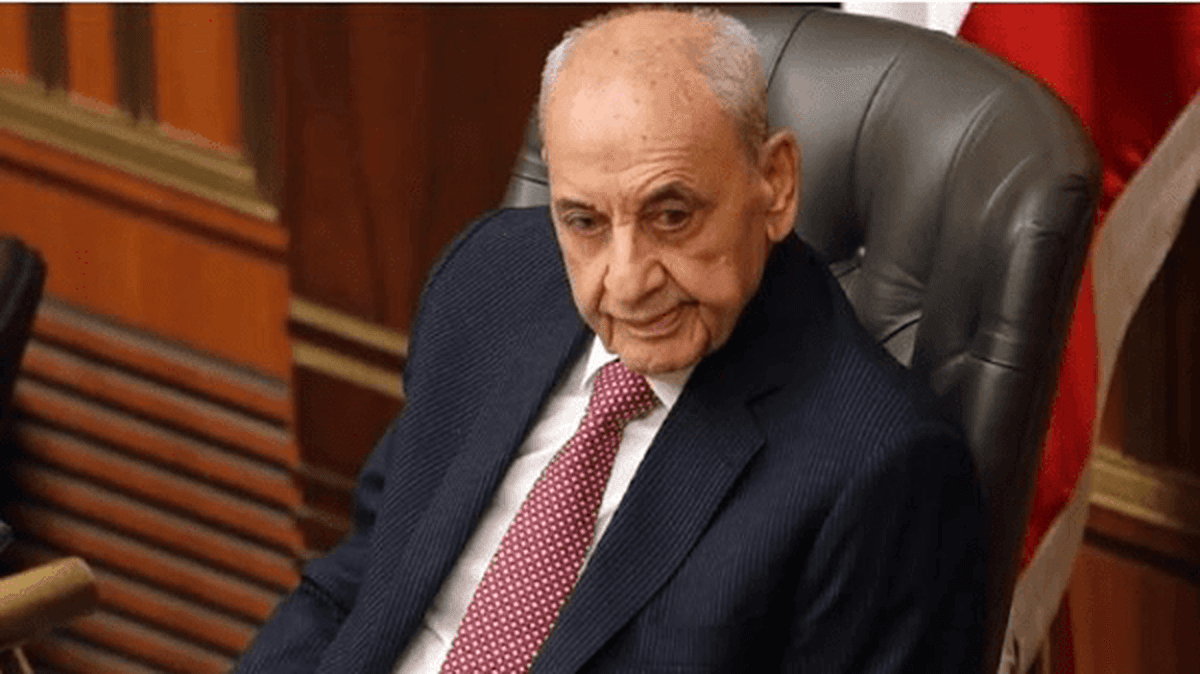
Israel And Lebanon Begin 10-Day Ceasefire As Trump Invites Netanyahu And Joseph Aoun
91 sources compared

Trump Announces 10-Day Israel-Lebanon Ceasefire Starting Thursday at 5 P.M. ET
30 sources compared
Hezbollah Rockets And Drones Strike Metula, Nahariya, Haifa Naval Base, And Ma'alot Tarshiha
10 sources compared

Israel And Lebanon Begin 10-Day Ceasefire As Trump Announces U.S.-Brokered Deal
16 sources compared