Lebanon15 April, 20265 min read
Israel And Lebanon Begin 10-Day Ceasefire As Trump Announces U.S.-Brokered Deal
Ten-day Israel-Lebanon ceasefire took effect at midnight. U.S.-brokered deal announced by President Trump.
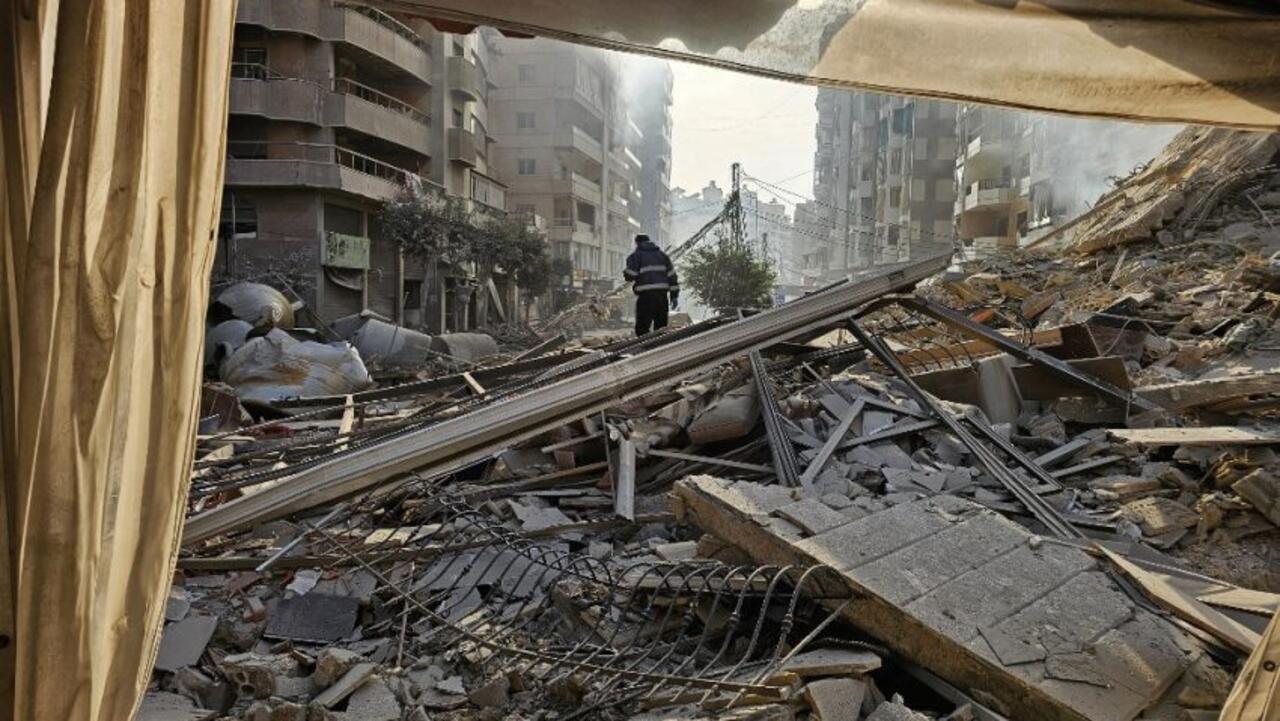
Ceasefire begins at midnight
A 10-day ceasefire between Israel and Lebanon began as clocks hit midnight in Lebanon, with the U.S.-brokered deal going into force.
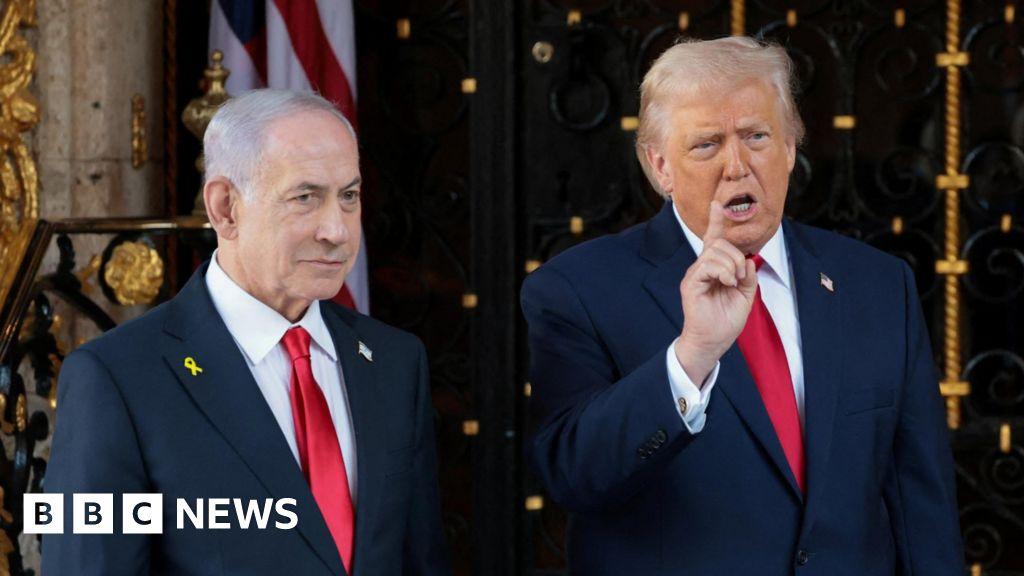
The ceasefire was announced by U.S. President Donald Trump during a White House address, and PressTV said Trump stated the truce would “take effect at midnight Lebanon time.”

DW reported that “A 10-day ceasefire deal between Lebanon and Israel takes effect” and said the truce started at midnight on Friday local time (21:00 UTC/GMT Thursday).
NBC News similarly said Trump directed Vice President JD Vance and Secretary of State Marco Rubio to work with the countries and that the leaders “have agreed that in order to achieve PEACE between their Countries, they will formally begin a 10 Day CEASEFIRE at 5 P.M. EST.”
The Times of Israel described the truce as taking effect “at midnight Thursday-Friday” after Trump declared it hours earlier.
NBC News said the ceasefire grew out of “direct negotiations that kicked off Tuesday when the Lebanese and Israeli ambassadors to the U.S. met in Washington.”
In Lebanon, the start of the truce was met with gunfire and movement by displaced families, as The Washington Post described “celebratory gunfire after the clocks hit midnight,” while Al Jazeera reported that displaced people were preparing to leave for villages and some were waiting to see if the ceasefire held.
Who says what about terms
While the ceasefire’s start time was widely reported, the terms and scope were contested across outlets. DW said Netanyahu agreed to the ceasefire “to advance” peace efforts but added that “Israeli troops would not withdraw,” and it reported Netanyahu’s video address that the “security zone” would extend “10 kilometers (6 miles) into Lebanon.” NBC News said Netanyahu confirmed “Israel had not agreed to withdraw from southern Lebanon,” and it quoted him: “We are remaining in Lebanon in an expanded security zone.”
NBC News reported the State Department said the 10-day period “may be extended by mutual agreement” and required Lebanon to “take meaningful steps” to prevent Hezbollah attacks on Israel. Al Jazeera reported Hezbollah said any ceasefire must “include a comprehensive halt to attacks across all Lebanese territory, with no freedom of movement for Israeli forces.”
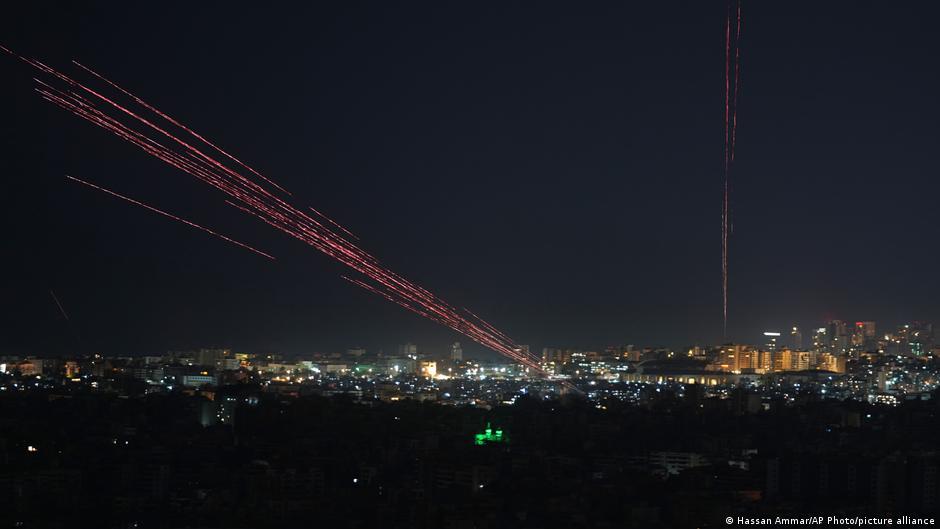
BBC reported skepticism in Israel’s north and described sirens and interceptors as the ceasefire spread. CBC reported Hezbollah’s last attack came at “11:50 p.m. local time, 10 minutes before the ceasefire took effect,” while Reuters-linked reporting said Israeli artillery continued shelling about “half an hour after the ceasefire took effect.”
Diplomacy, monitoring, and conditions
Several accounts described the ceasefire as tied to Iranian and U.S. commitments, as well as monitoring of compliance. PressTV said Hassan Fadlallah described Iranian diplomatic efforts and said “Iranian authorities will monitor US compliance with its commitments under the agreement.” PressTV said Fadlallah stressed Hezbollah’s adherence depended on “a complete halt to all hostile actions.”
The Times of Israel described Iran’s position as asserting Lebanon should be covered by the two-week ceasefire inked with the U.S. on April 7. NBC News described Iran’s insistence that “strikes on Lebanon must stop as part of any longer-term deal for peace with the U.S. and Israel.”
DW reported UN Secretary-General Antonio Guterres welcomed the ceasefire and urged “all actors” to respect the truce. CBC reported Foreign Affairs Minister Anita Anand welcomed the ceasefire and called on Hezbollah to disarm, while Jon Allen said the ceasefire was “key part” to Trump’s future negotiations with Iran.
Reactions from Israel and Lebanon
Reactions to the ceasefire ranged from celebration to anger and skepticism, with multiple named figures voicing competing interpretations of who gained and who lost. BBC quoted Gal in Nahariya saying, “I feel like the government lied to us.” BBC quoted Maor, a 32-year-old truck driver, saying, “We gave the Lebanese government a chance and they failed to uphold the agreement; they didn’t disarm Hezbollah.”
DW reported Netanyahu’s framing of the ceasefire and his insistence: “That is where we are, and we are not leaving.” The Times of Israel reported that the ceasefire announcement prompted “furious condemnations” from mayors in northern Israel warning that Israel was “losing the north.”
CBC quoted Foreign Affairs Minister Anita Anand welcoming the ceasefire and quoted Jon Allen saying it was “key part” to Trump’s future negotiations with Iran. Al Jazeera quoted displaced residents including Abu Hussein saying, “We’re going home because of the resistance,” and it reported that others did not trust the Israelis to uphold the ceasefire.
What happens next and who pays
The sources describe immediate consequences for civilians and displaced families, while also laying out what each side says it will do if the ceasefire fails.
“We are not going anywhere. We are holding our positions.”
Al Jazeera reported displaced people preparing to head to Kherbet Selem, about “25 kilometres (15 miles) from the border,” and it quoted Abu Haidar: “At 11pm, I’m going home, not at 12.”

Al Jazeera described home destruction in Beirut’s southern suburbs, including that “All but one room of Fadal Alawi’s home in the Hay el-Sellom neighbourhood of Beirut’s southern suburbs was destroyed.”
CBC reported that despite warnings, streets in Sidon were packed with cars transporting displaced residents from southern Lebanon trying to return home, and it said Israeli artillery continued shelling about “half an hour after the ceasefire took effect.”
DW said the Israeli military urged residents not to move south of the Litani River and said forces remained deployed in southern Lebanon.
NPR quoted Danny Danon warning, “We will have to follow very carefully what's happening on the ground. And if we will feel threatened, we will react,” and “We are not going anywhere. We are holding our positions.”
NBC News said the stakes are massive, with “More than 2,100 people have been killed in Lebanon since the war started” and “more than 1 million have been displaced from their homes.”