Heat Waves Muddle Animal Brains in South Africa, Scientists Warn
Key Takeaways
- Heat prevents southern pied babblers from solving a barrier task.
- Heat muddles animal brains, impairing reasoning during tasks.
- Cooler days allow babblers to circumvent barriers and access food.
Heat scrambles cognition
On a blazing hot day in South Africa, female southern pied babblers repeatedly peck at a see-through barrier instead of going around a small wall of plastic when temperatures rise, a pattern researchers link to heat waves muddling animal brains.
“On a blazing hot day in South Africa, female southern pied babblers can’t think straight”
TheWire.in says the cognitive impairments could ripple through entire ecosystems, putting already fragile species at greater risk, and it quotes Amanda Ridley, a behavioral ecologist at the University of Western Australia, warning that “A changing climate means that your ability to behaviorally adapt is even more important,”.

Ars Technica describes the same pied babbler experiment as part of a growing body of research showing that animals get their minds muddled during heat waves, with heat making birds struggle to learn and dogs bite more often.
TheWire.in also ties the survival risk to whether animals can stay alert enough to find food or avoid predators, framing heat as a direct threat to survival rather than just a discomfort.
Aggression and learning falter
TheWire.in reports that when the mercury goes up, animals not only struggle to learn but also become more aggressive, including dogs biting more often and goat-like chamois picking fights.
It says a 2023 study that combed through nearly 70,000 reports of dogs biting people across eight US cities found incidents were more likely on hot, sunny and smoggy days, and it quotes Clas Linnman of the University of Miami saying, “It’s likely that both humans and dogs get stressed and more irate at higher temperatures,”.
TheWire.in further describes experiments using binoculars and spotting scopes on wild goat-like chamois in the Italian Apennine Mountains, where temperatures rose from 54 to 64 degrees Fahrenheit and chamois aggression shot up.
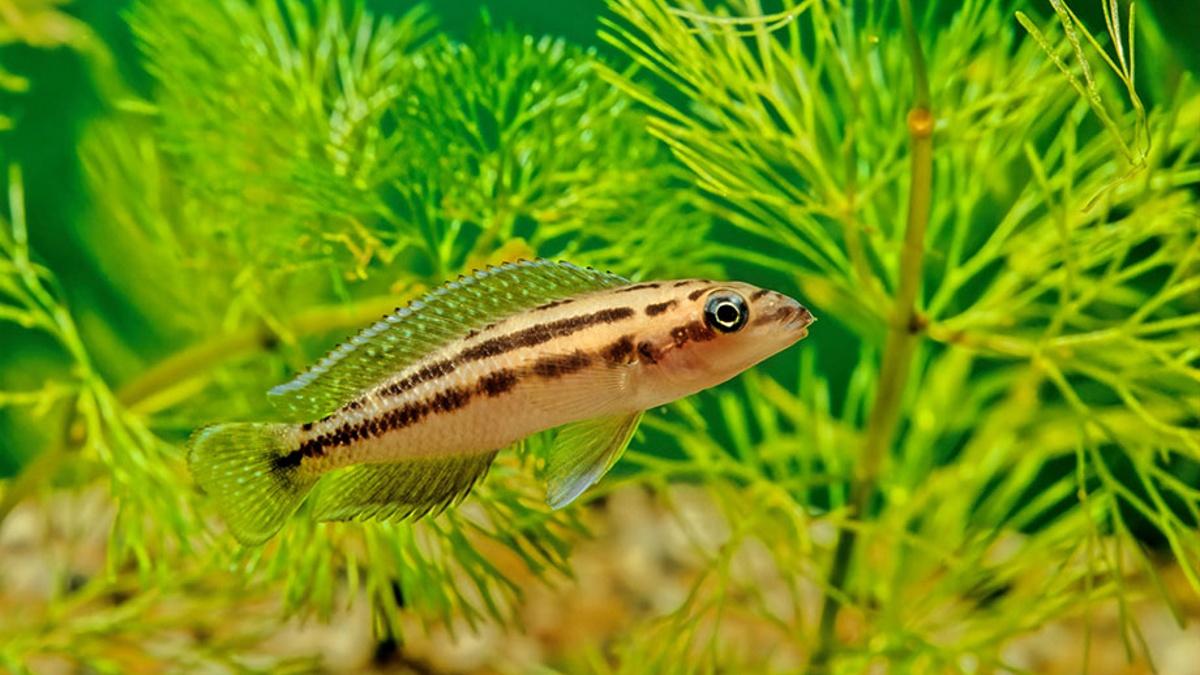
In the same account, TheWire.in adds that a golden julie becomes more likely to get aggressive when normally 78-degree water is raised to a hot 84 degrees, and it may bite and slap its tail against a mirror.
Ars Technica’s coverage of the pied babbler study similarly emphasizes that heat waves make animals struggle to learn, setting up the broader pattern of impaired cognition and heightened hostility described across species.
Ecosystem stakes rise
TheWire.in warns that if animals can’t stay alert enough to find food or avoid predators, their chances of survival go downhill, and it links heat-driven cognitive impairments to broader ecosystem risk.
“On a blazing hot day in South Africa, female southern pied babblers can’t think straight”
It says that if pollinators forget which flowers to visit, crops and wild plants may fail, and it ties the stakes to whether birds can find food as easily enough for their young to survive.
CPG Click Petróleo e Gás frames the same threat in terms of survival tasks and ecosystem impacts, saying extreme temperatures alter behavior and “impairing reasoning ability, increasing aggression, and hindering essential survival tasks.”
That source also connects animal brain effects to food production by stating that pollination may be impaired, and it warns that cognitive alterations in pollinators can directly affect food production.
Together, the accounts portray heat waves as a chain reaction—from muddled learning and heightened aggression to disrupted feeding and pollination—where climate change making heat waves more common could amplify consequences for ecosystems.
More on Technology and Science

Meta Develops AI Pendant After 2025 Acquisition of Limitless, Testing Planned Within Next Year
12 sources compared

3-Foot Meteor Explodes Near Massachusetts-New Hampshire Border, Shaking Southern New England
18 sources compared

AUKUS Nations Plan Underwater Drones To Protect Undersea Cables By 2027
15 sources compared

Tedros Adhanom Ghebreyesus Urges Bunia Communities As DRC Ebola Cases Reach 225
15 sources compared